Separate surface from barrier
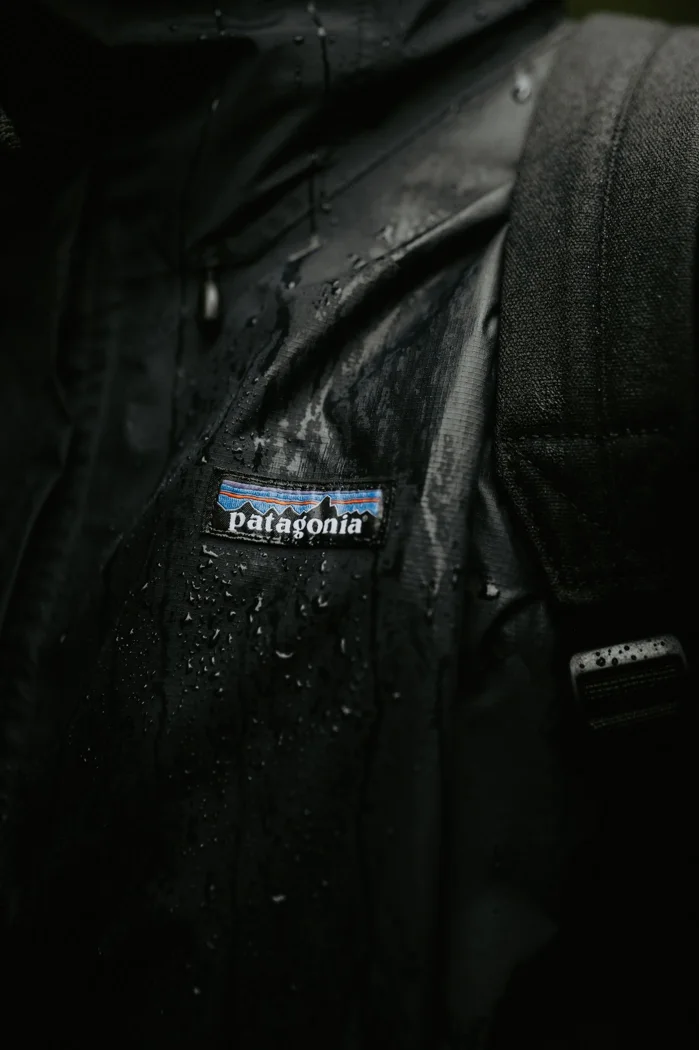
A dark wetted face fabric can make a jacket appear to be leaking. Beading initially describes the exterior, however; many waterproof constructions place a membrane beneath it. GORE-TEX explains that reduced DWR performance alone does not establish loss of waterproofness. This is a construction distinction, not a promise about every garment.
Conversely, attractive exterior droplets do not prove every seam and membrane remains intact. Inspect visible damage, seam tape, and actual use. Moisture inside can have different causes that one droplet test cannot identify conclusively. Avoid diagnosing the whole jacket from its surface alone.
Clean first
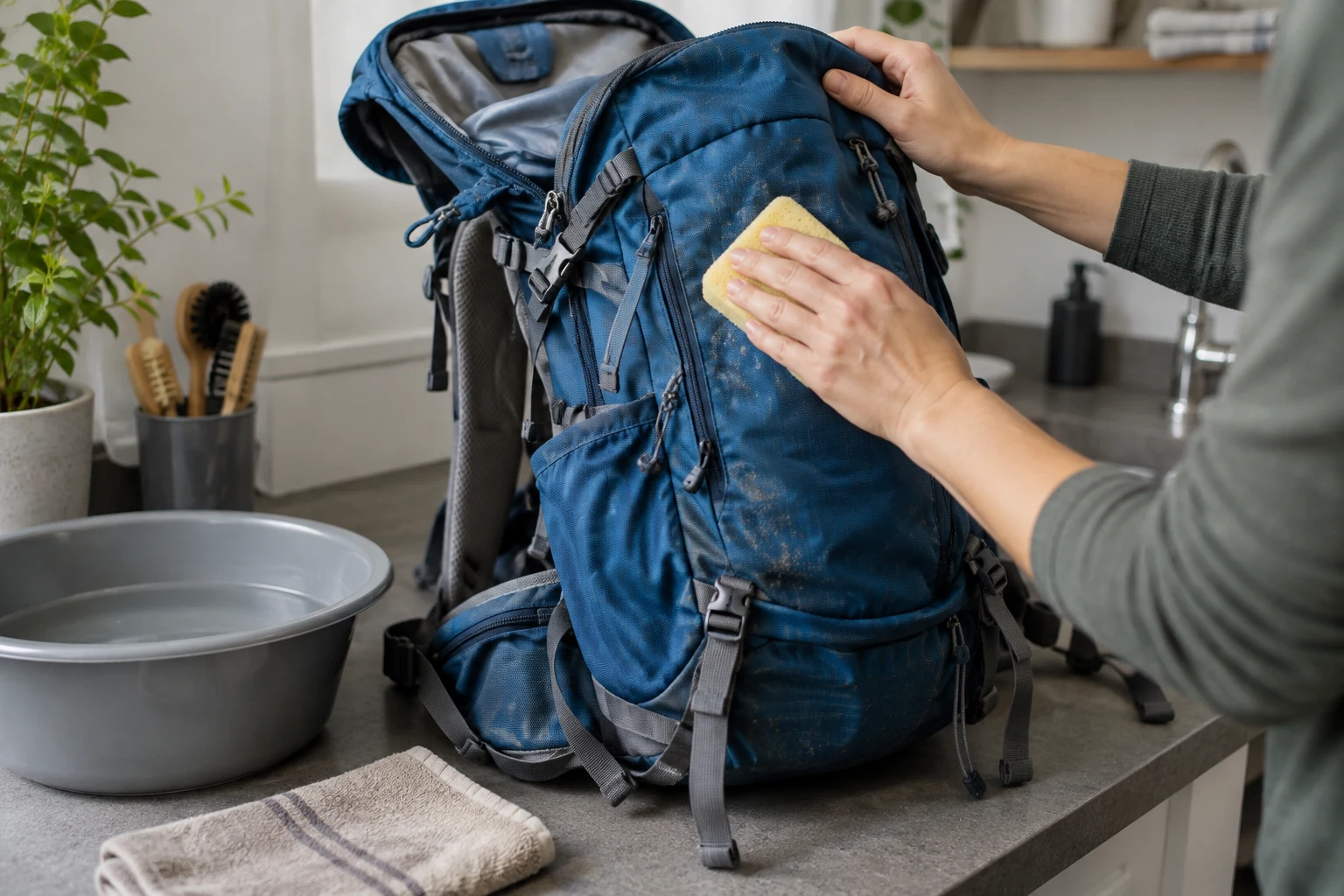
Dirt and residue affect surface behaviour. Wash according to the label before adding treatment. Use the approved procedure and rinse thoroughly. Another layer over dirty material is not automatically the intended solution.
Assess the result alongside the maker's guidance. With suitable GORE-TEX constructions, permitted heat can reactivate existing repellency. The method is product-specific. Dryers and irons are not allowed for every construction simply because they appear in general care information.
When fresh treatment is needed
If the prescribed steps do not restore performance, select compatible retreatment. Makers describe spray-on or wash-in methods for particular products. Check material suitability, application, drying, and any activation together. An outdoor label on a bottle is not sufficient identification.
Spraying permits targeted application to appropriate exterior areas but requires even coverage and the stated working environment. Wash-in treatment follows another process and is not automatically better for every jacket. Follow complete instructions for garment and cleaner rather than freely combining both methods.
Prepare the area and protect surfaces that should not receive treatment. Use the stated quantity. Extra liquid does not necessarily improve results and can complicate distribution or drying. A clear application is more useful than repeatedly spraying one uncertain spot.
After application
Allow the required drying or curing time before use. A quick glance at droplets does not replace that stage. Inspect heavily used areas such as shoulders and sleeves without treating a local check as a complete test.
Record product and date if useful for comparison. This need not become a rigid calendar for every garment. Use, dirt, and materials differ. Assess actual condition rather than automatically adding another layer after each walk.
What DWR does not repair
Torn membranes, detached seam tape, and holes require suitable repair decisions. DWR renews a surface function rather than bonding every damaged layer. Sea to Summit explains the same basic distinction for coated dry bags: surface treatment does not replace a damaged barrier.
For uncertain changes or special materials, ask the maker about the intended route. Targeted repair or an informed use decision may be more useful than further treatment. Keep care attached to the problem: clean, reactivate where permitted, retreat compatibly if necessary, and assess real damage separately.