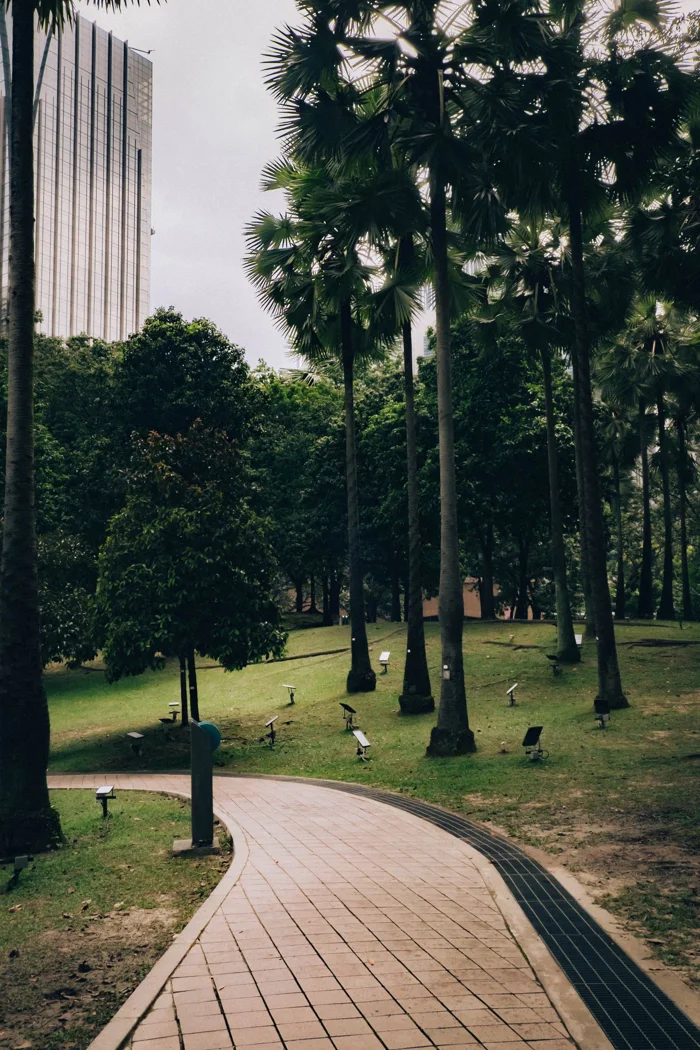
Making a walk fit into a lunch break
A small walk is easier to repeat when the return remains clear. Begin with the time genuinely available and choose one nearby destination rather than trying to connect many stops.
SUBJECT / 06
Walks and small outings between the city and the countryside.
18 articlesA small walk is easier to repeat when the return remains clear. Begin with the time genuinely available and choose one nearby destination rather than trying to connect many stops.
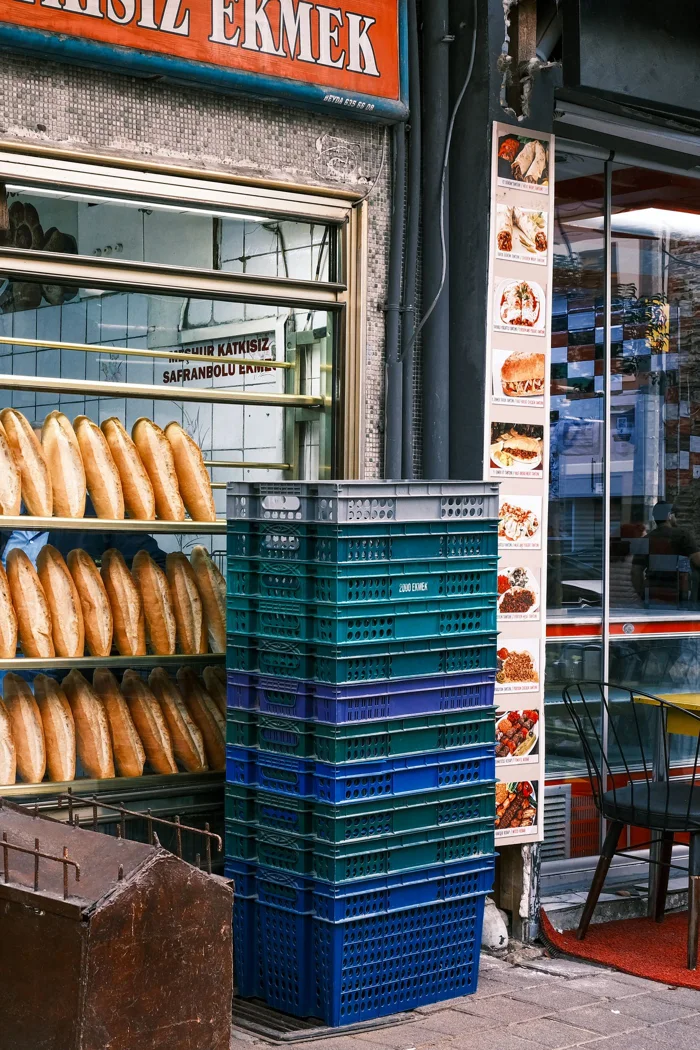
Shopping or a brief appointment can provide a reason to walk. Choose the extra section so that opening times, carrying purchases, and the necessary return remain straightforward.
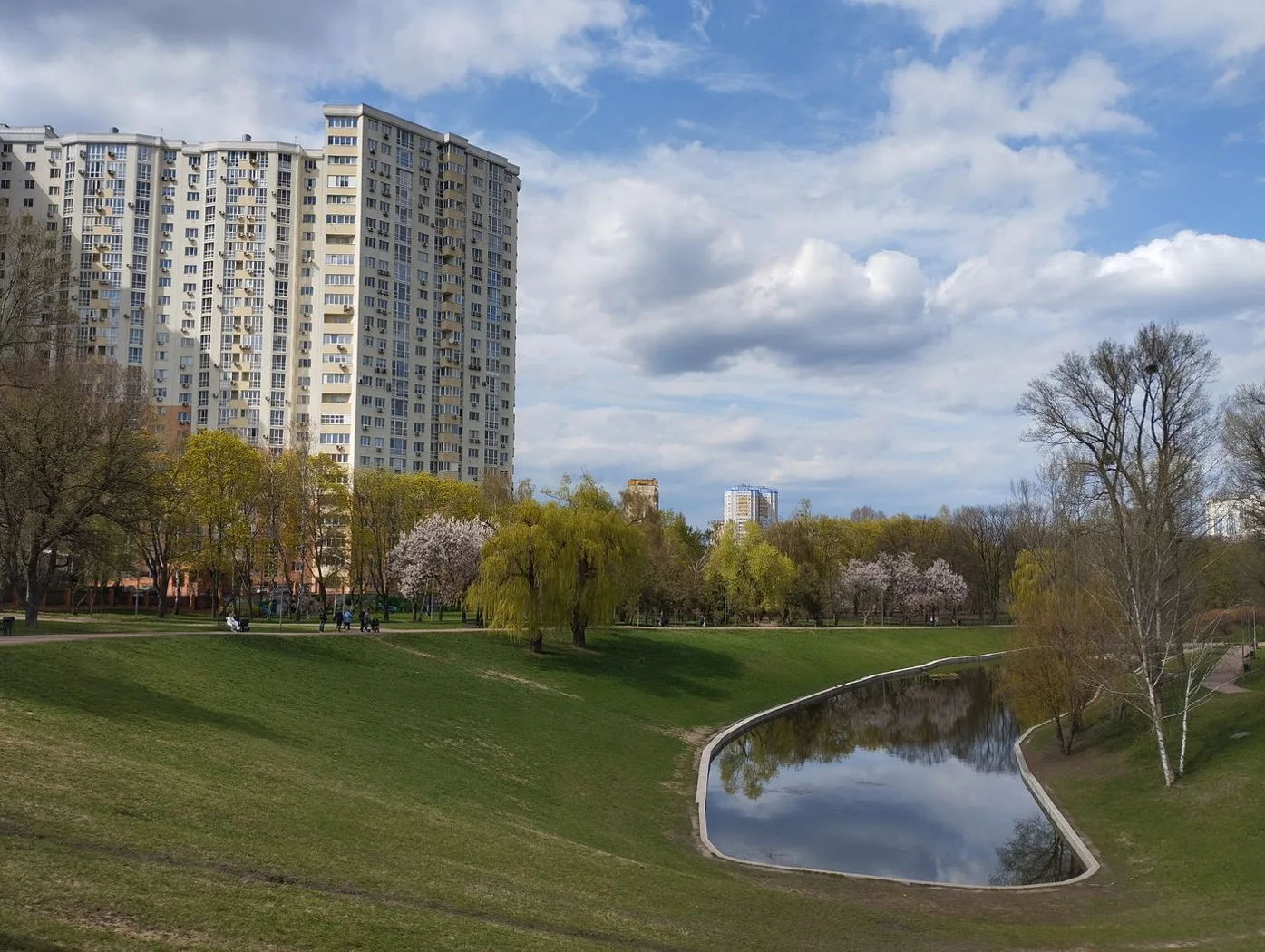
A familiar park can contain several different walks. Change an entrance, direction, or stopping place deliberately without turning every side path into a route you must complete.
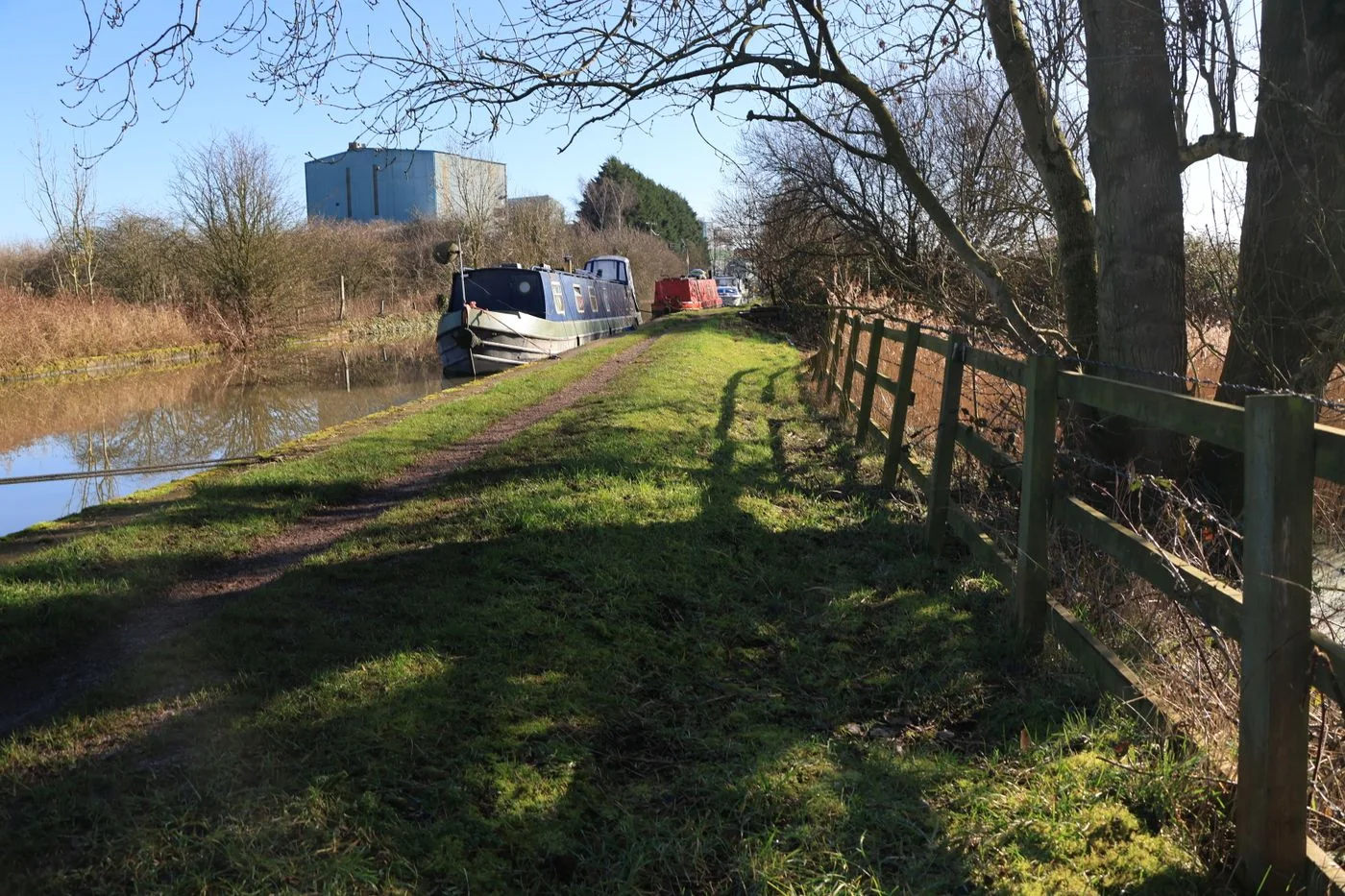
A canal path looks straightforward but may vary in width, surface, and access. Choose an appropriate section and leave room at narrow points for the waterway's other uses.
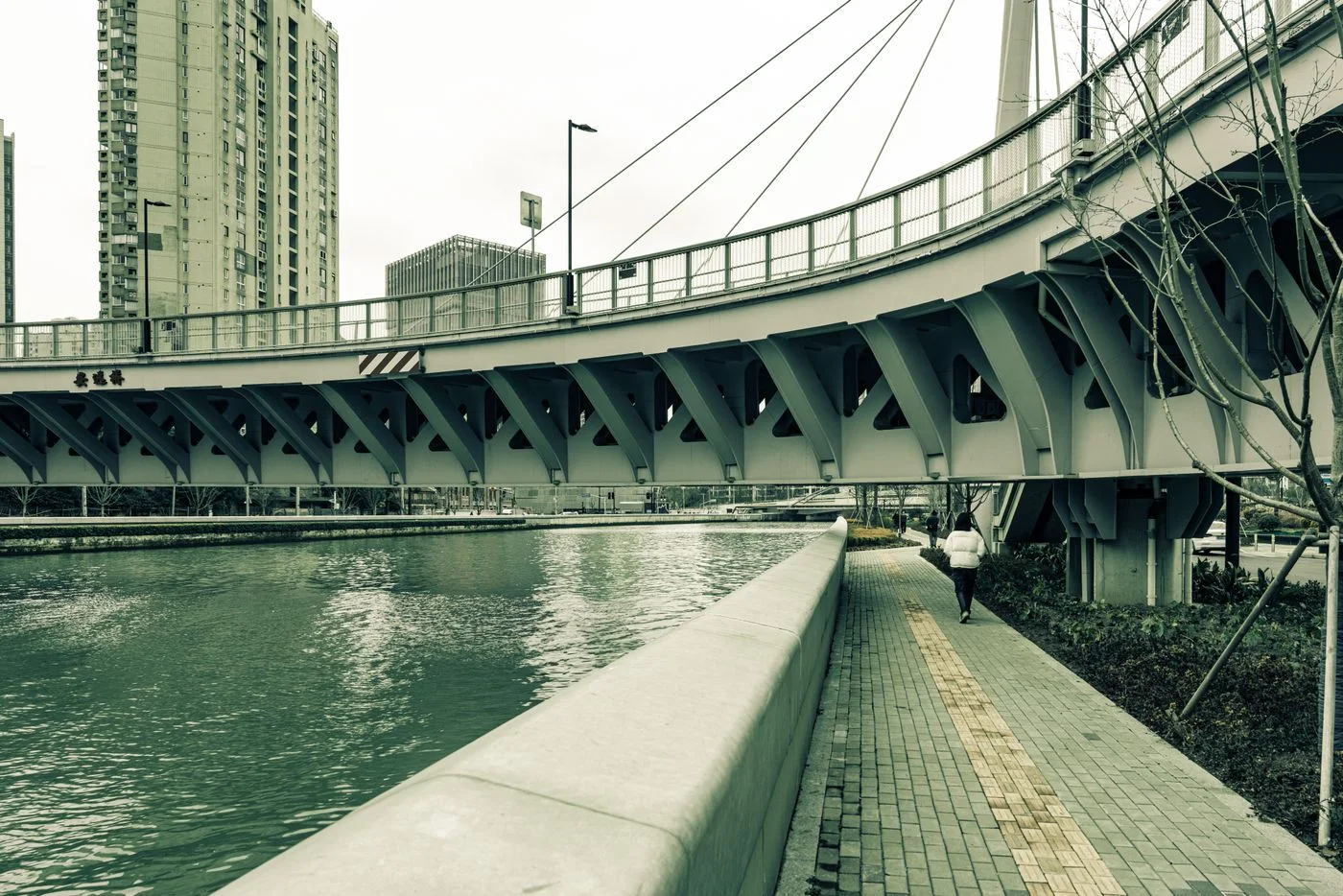
Two bridges can turn a riverside path into a circuit. Check whether their approaches and both banks actually create a pleasant, continuous walk before committing to the loop.
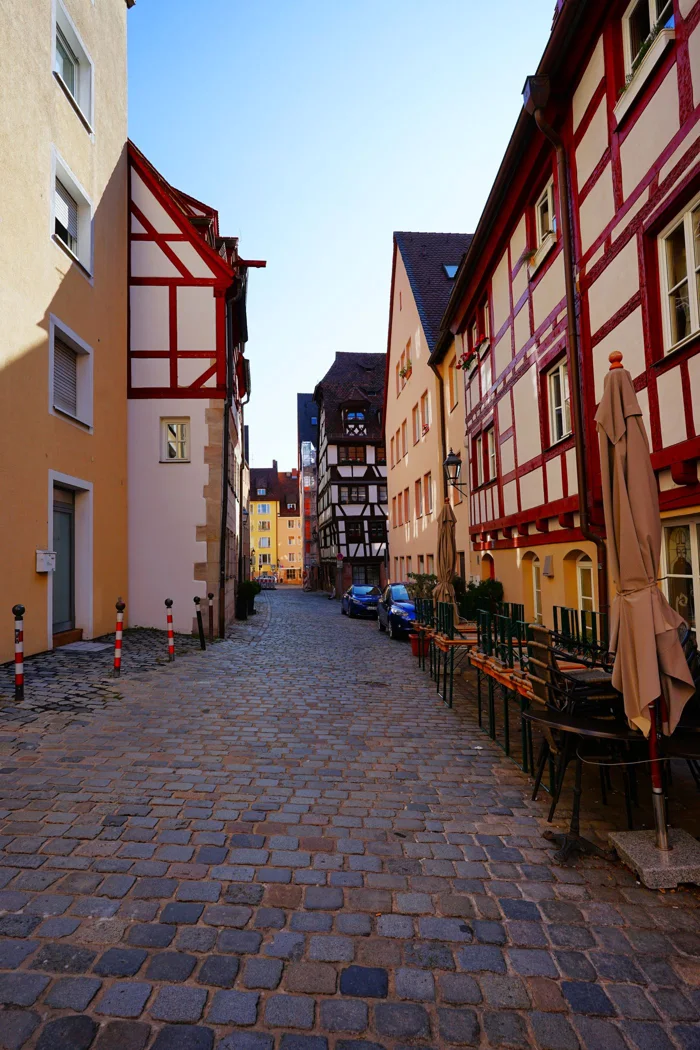
An old-town walk need not connect every landmark. A small area, recognisable starting point, and a few deliberate questions leave room to look closely at streets and squares.

Brick buildings, rail traces, and former entrances can shape a city walk. Stay on public routes and distinguish visible features from history that needs reliable local information.
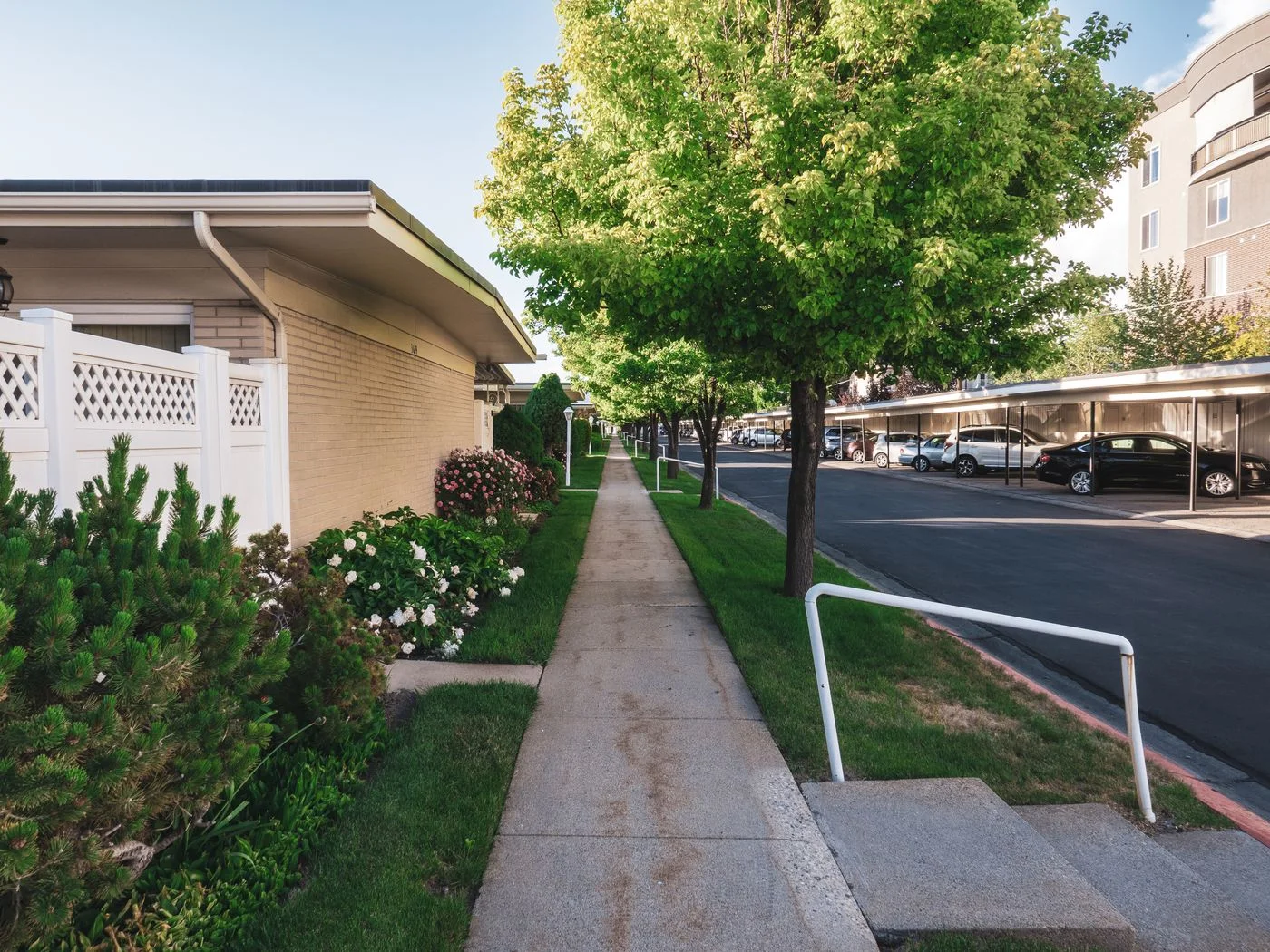
An everyday loop connects appealing sections with understandable transitions. Begin with two familiar points and change only enough to keep the way home clear without extra effort.
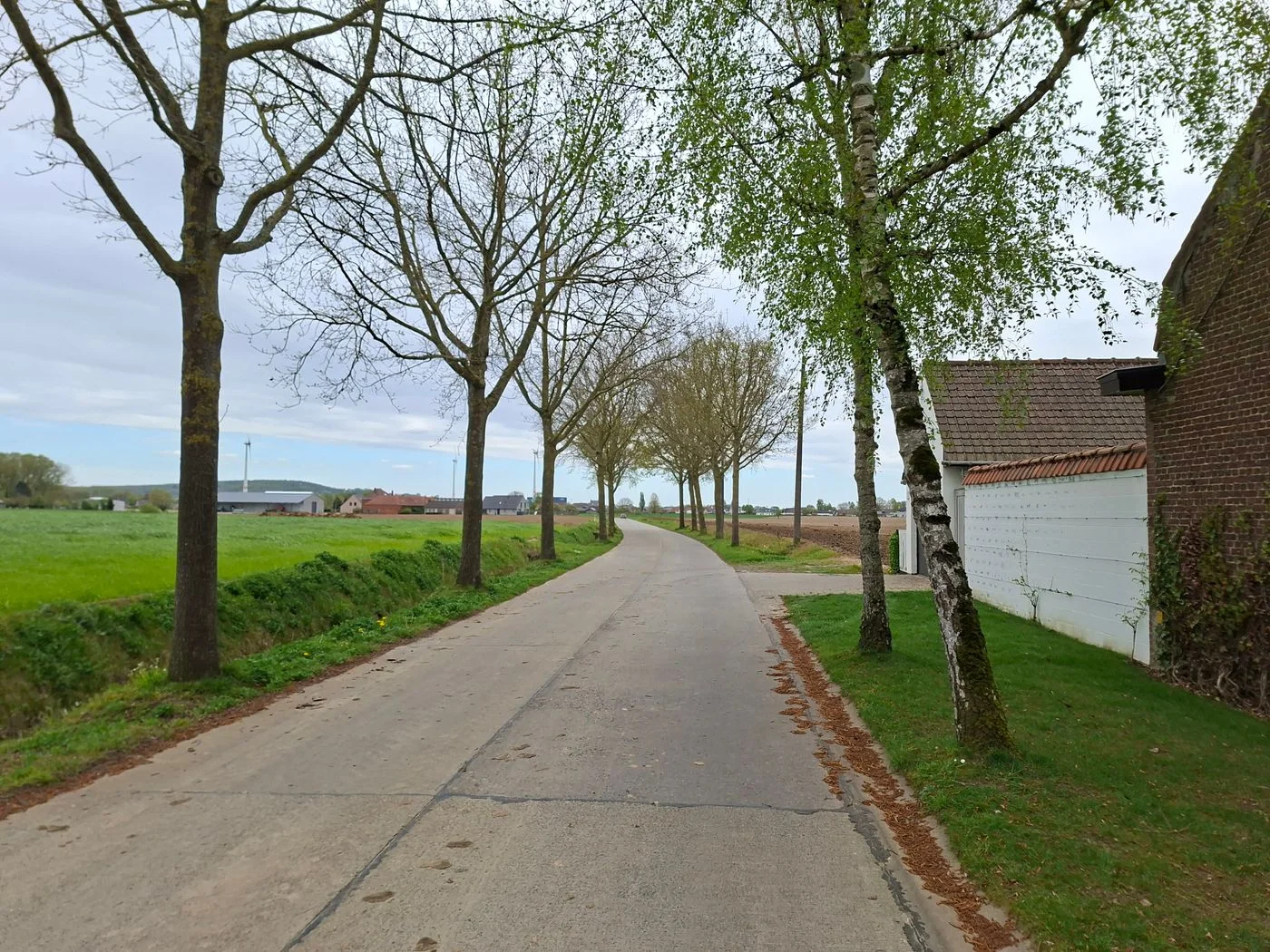
A narrow lane between hedges can look appealing without providing a suitable walking connection. Check actual pedestrian space and the links between the settlement and surrounding countryside.
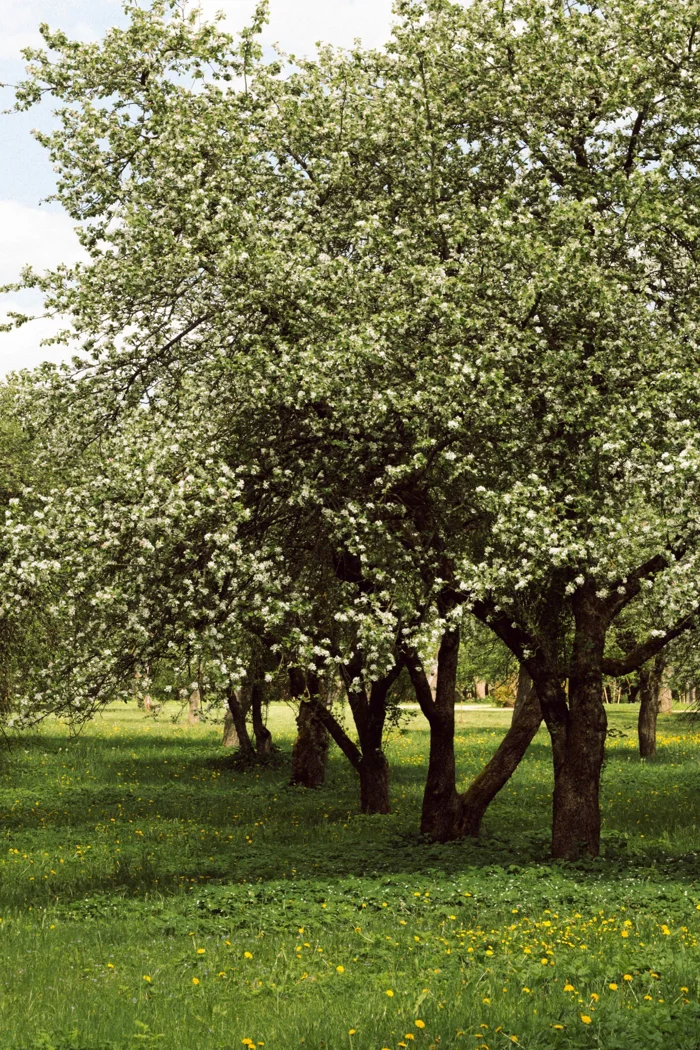
Fruit trees and meadows give a short walk a clear subject. Use accessible paths, notice seasonal changes, and continue treating the surroundings as both working land and habitat.

A staircase can connect levels and open new views. Check its place in the complete route and an appropriate alternative instead of treating it as a decorative extra on the map.
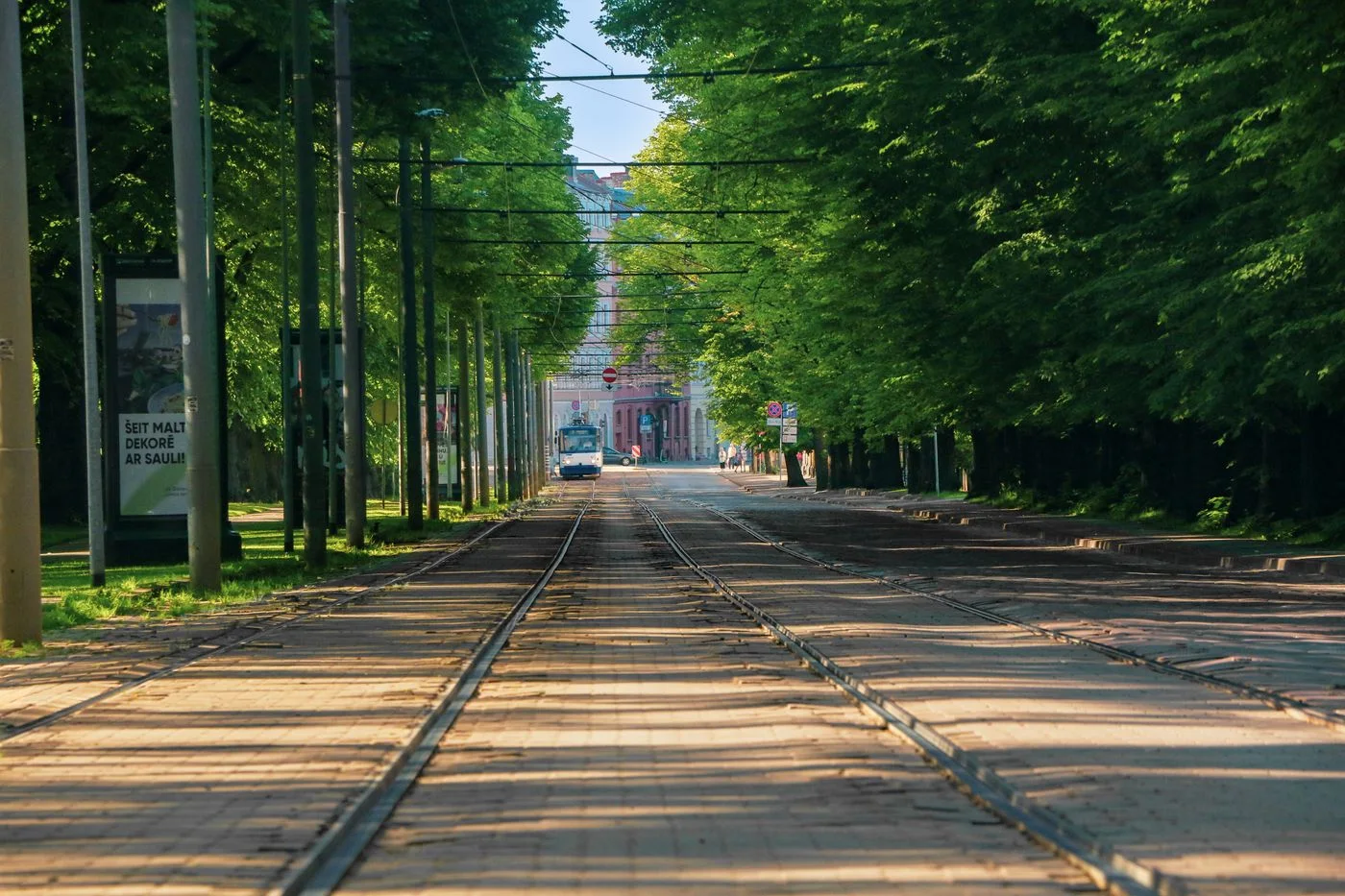
A terminus can offer another view of the city's edge. Check the actual pedestrian route from it and a return service that fits the size of the outing.
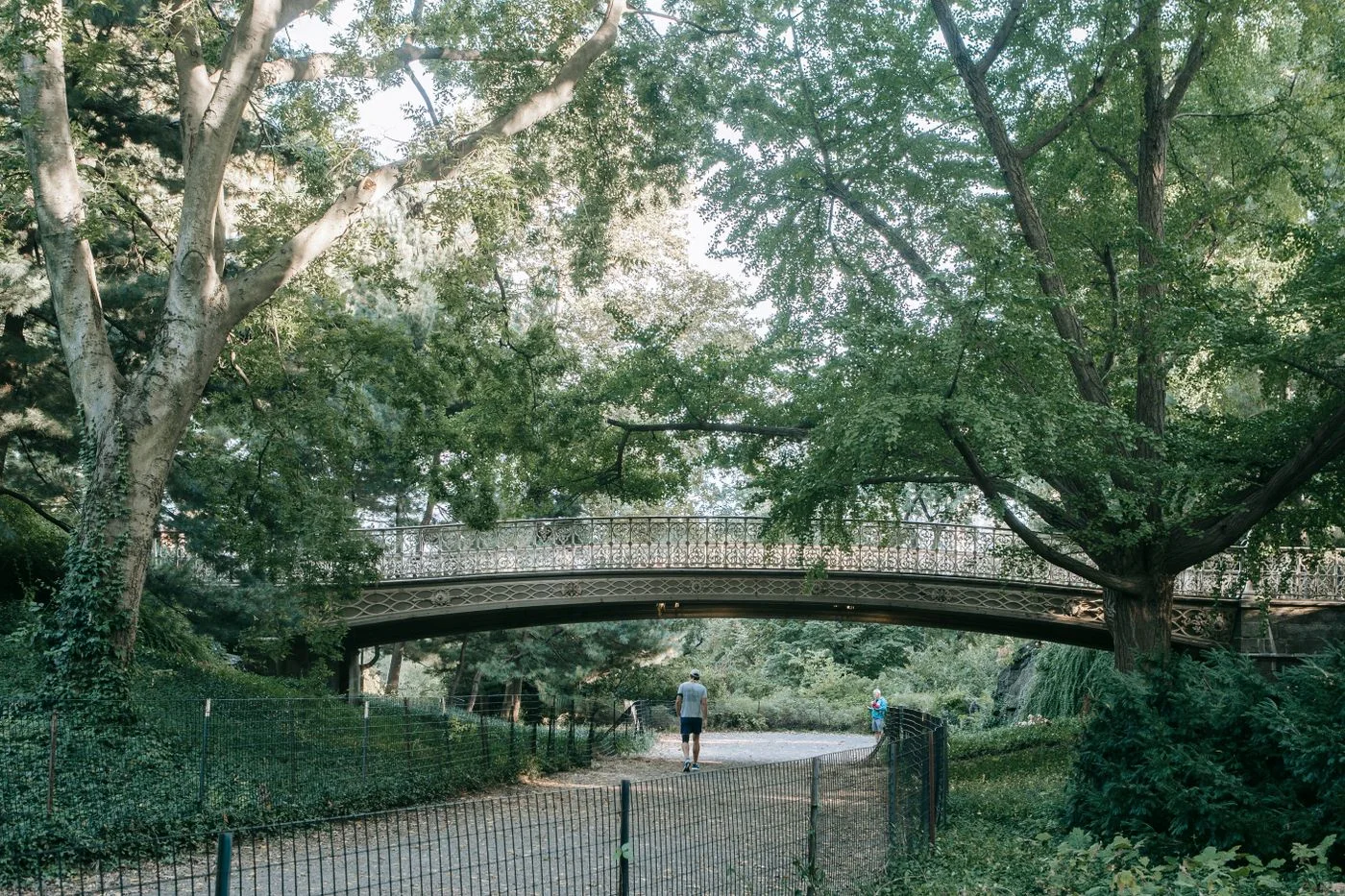
A converted railway section can provide a clear line through town and countryside. Check access, surface, and shared use instead of inferring the present path from its former purpose.
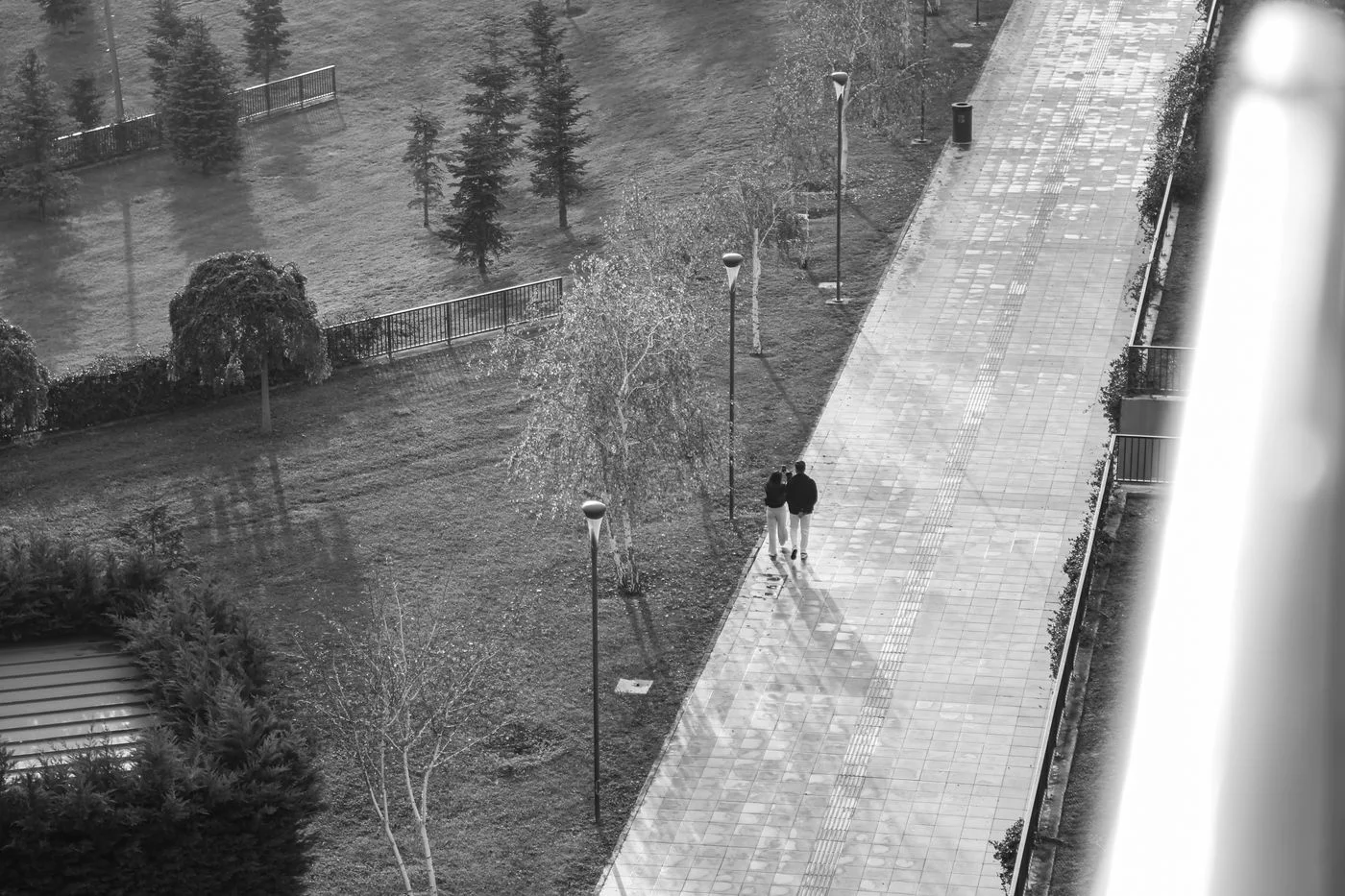
A rainy walk can be shaped through surface, length, and clear returns. Choose a small familiar route rather than transferring an unsurfaced hike unchanged into different conditions.
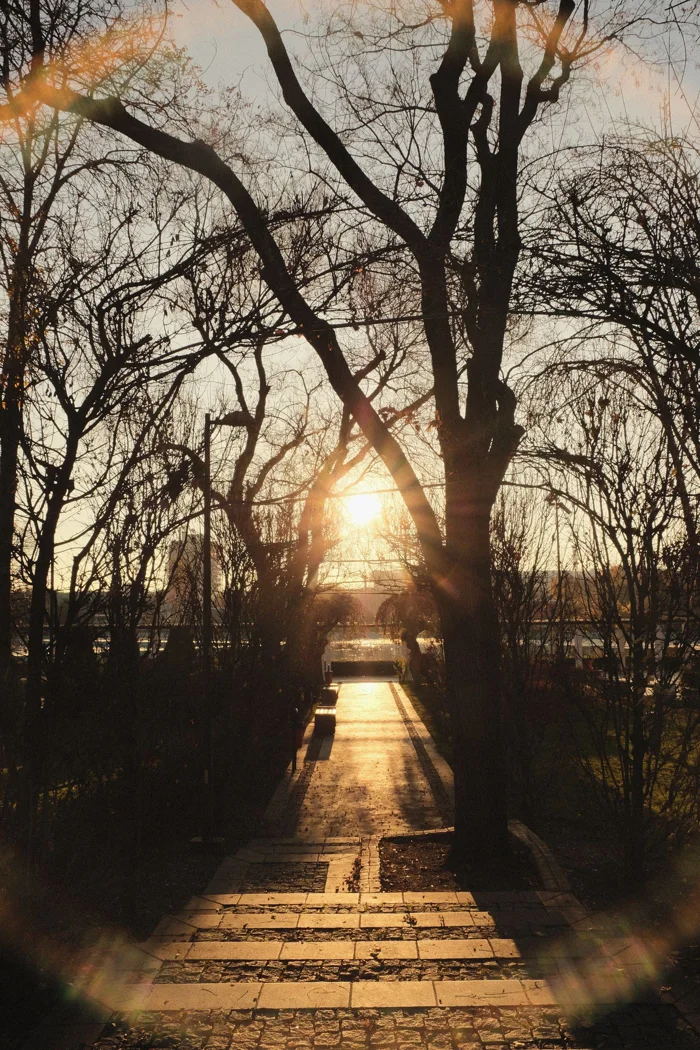
A short winter day suits a small, clear route. Choose familiar lowland paths according to current conditions and plan the return before daylight becomes tight.
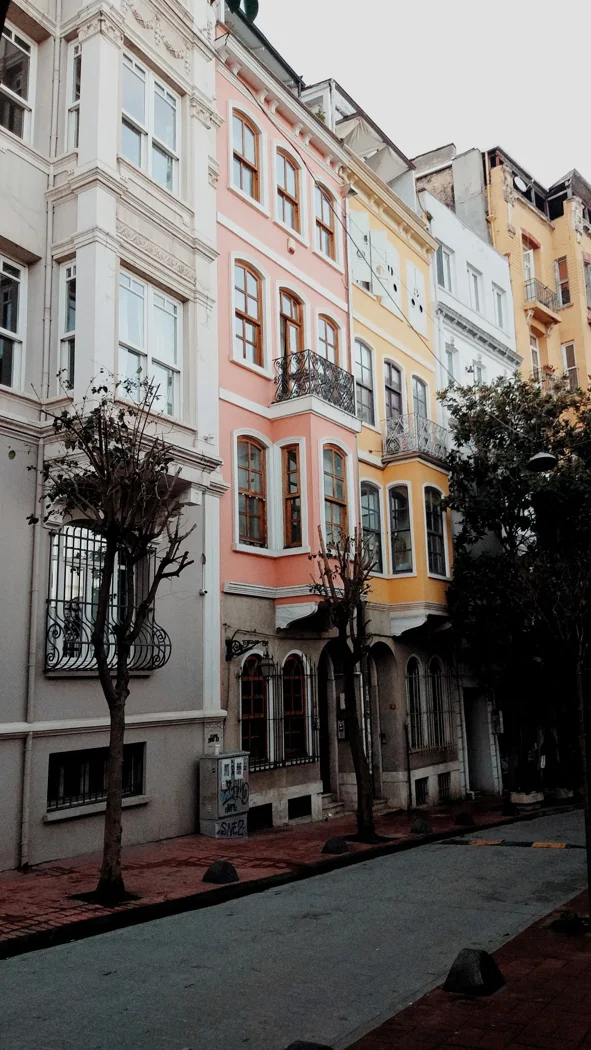
A limited theme directs attention without turning the outing into a hunt. Use suitable public positions and leave time for a few images as well as walking between them.
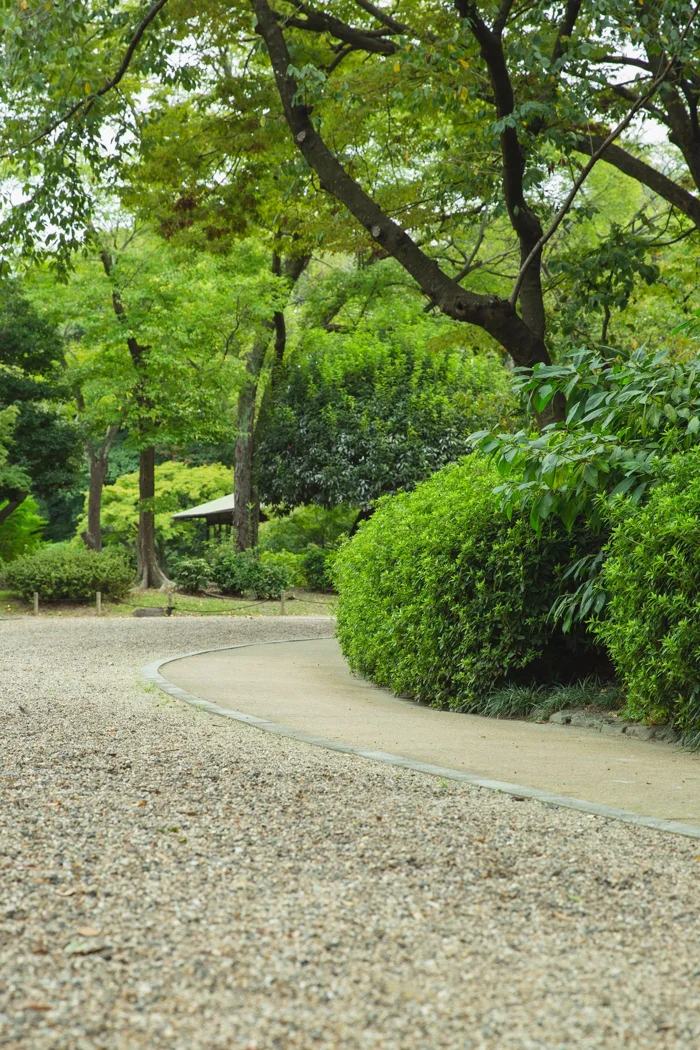
A path changes with the people using it. Compare small familiar sections at different times instead of assuming that all mornings or weekdays provide an empty route.

A familiar loop can reveal change more clearly than constantly seeking new destinations. Choose a few accessible reference points and notice what actually differs between visits.