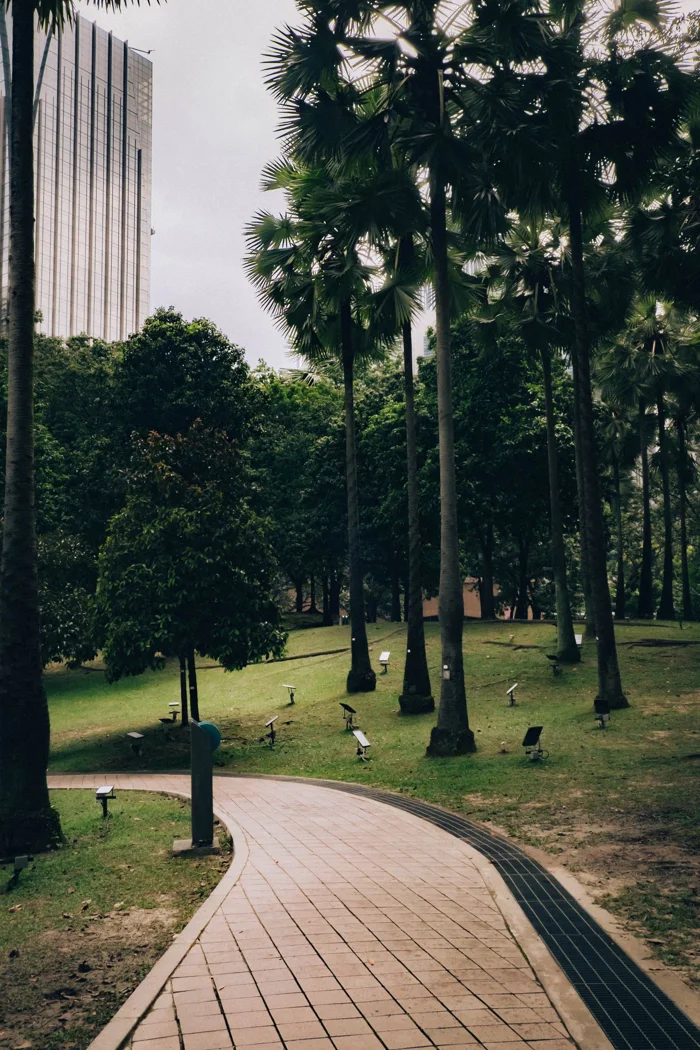
Use a small route as a recurring frame
Knowing the path releases some attention from choosing every junction. Small differences can then appear: a view opening between trees, a changed meadow edge, or light along a wall. A familiar loop is not a shortage of ideas. It can provide a clear frame for looking more carefully.
Choose a short route that makes sense at different times. It should follow accessible paths rather than assumed passages. Where areas close seasonally, retain a confirmed alternative. Repetition does not require insisting on an unsuitable connection.
Two or three reference points are enough
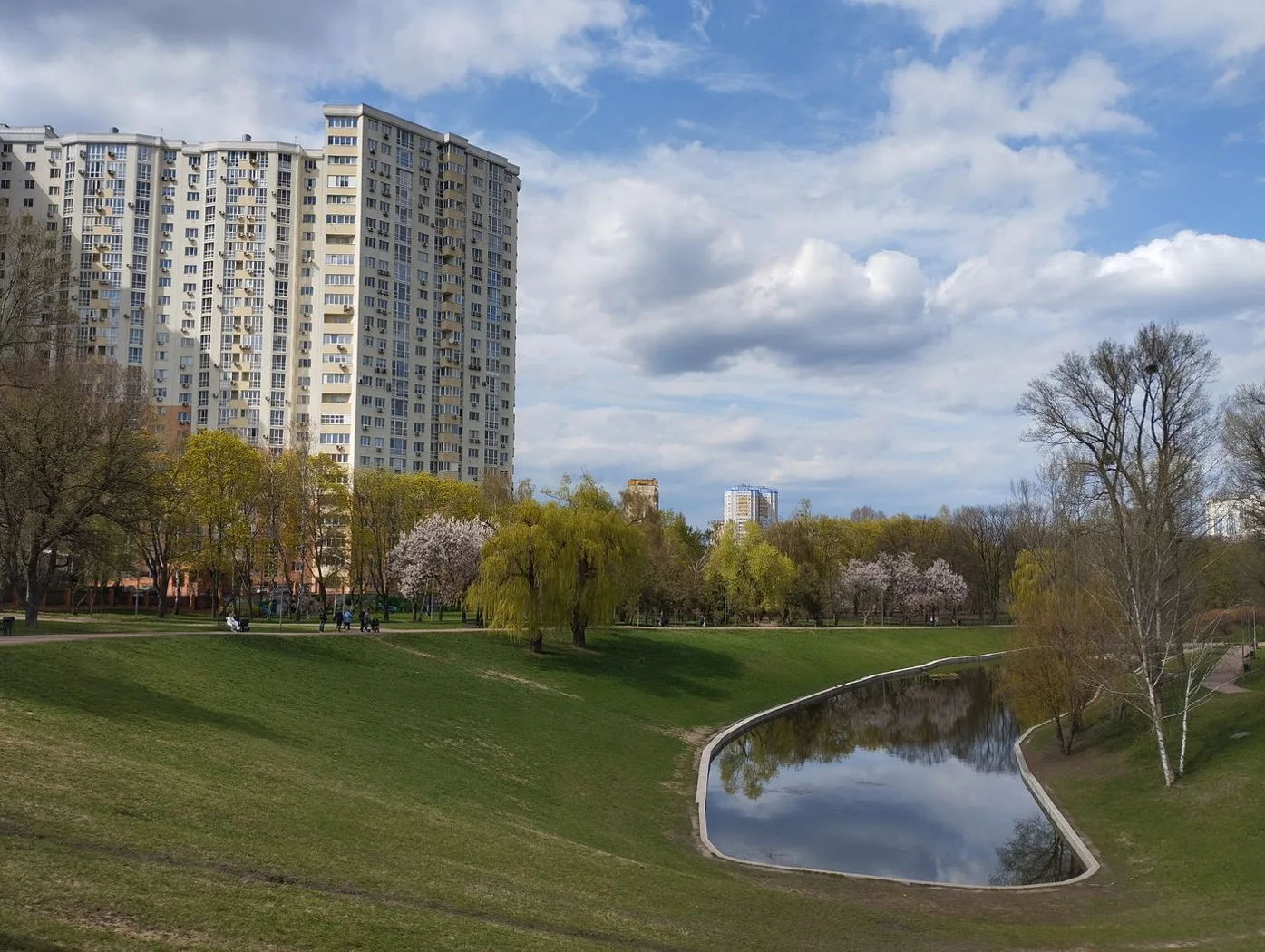
Select a few recognisable places: a tree beside the route, an open field view, or a bench overlooking a pond. They should be found without leaving intended paths. A reference point is not a compulsory subject. You can pass it and briefly register the difference.
For photographs, a similar public position makes changes easier to see. Do not reproduce the framing at any cost when others occupy the place or it is unsuitable that day. Observation matters more than maintaining a complete image series.
Separate changes in the place from changes in how it is viewed. A different time may alter the appearance of a wall without changing the structure. Note weather and time if comparing impressions later. An isolated photograph does not fully explain its circumstances.
Do not expect a rigid calendar story
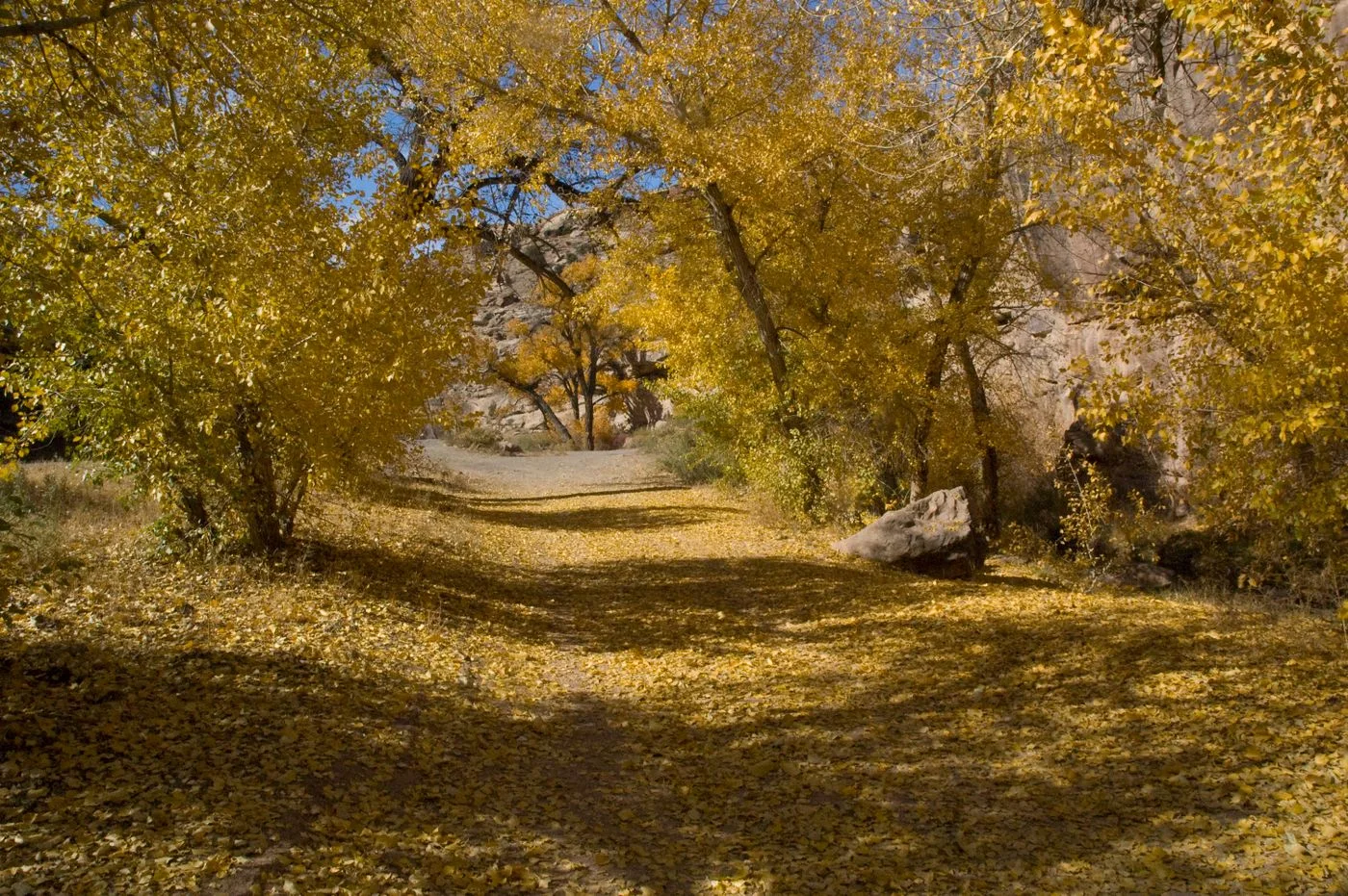
Seasons do not produce identical visible stages on every path at fixed dates. A visit may show fewer blossoms or more leaves than expected. Observe the actual state rather than measuring it against a calendar image. An unremarkable transition can be as interesting as a colourful day.
Maintenance and use are part of change too. A meadow may be cut, an entrance renewed, or a public square arranged differently. If the cause is unknown, begin by describing what is visible. A newly open space does not automatically prove a particular intervention or intention.
Continue reading current notices. Familiar routes can temporarily close because of work or other conditions. Personal knowledge does not replace that information. A smaller open version or another date preserves the repeated-walk idea without ignoring the present situation.
Keep a simple memory of the path
Afterwards, a few words are enough: the view between trees is now open, the field edge has changed, or another pause location worked better. Record observations rather than broad verdicts on an entire season. The result describes this route, not how autumn or spring looks everywhere.
Companions may notice different details. Compare what was actually seen without making it an assignment everyone must complete alike. One person hears sounds, another notices branches or activity around a square. The shared path connects those impressions.
The next visit needs neither more distance nor more reference points. Returning to the same tree may be enough. Familiarity grows through differences inside a small frame. The loop remains readily available while observation becomes more precise with each visit.