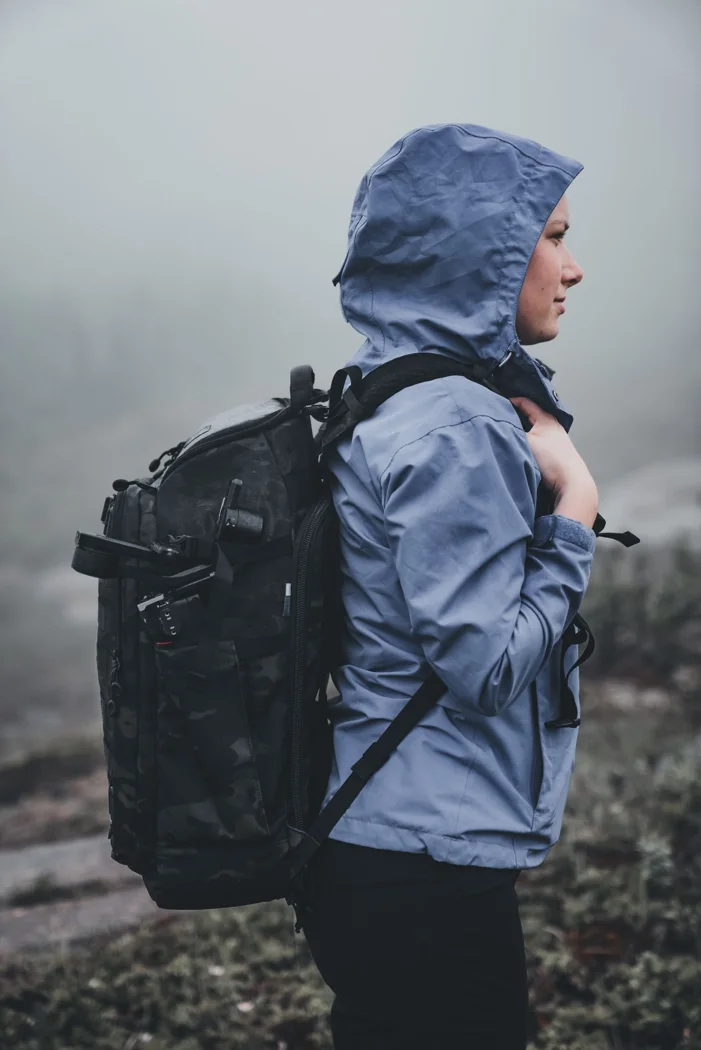
Layers for a changeable day walk
An uphill stretch, a windy ridge and a lunch bench ask different things of the same clothing. A flexible layering system starts with a few pieces that combine sensibly and remain easy to reach.
SUBJECT / 02
Clothing for changing weather and time on the move.
20 articlesAn uphill stretch, a windy ridge and a lunch bench ask different things of the same clothing. A flexible layering system starts with a few pieces that combine sensibly and remain easy to reach.
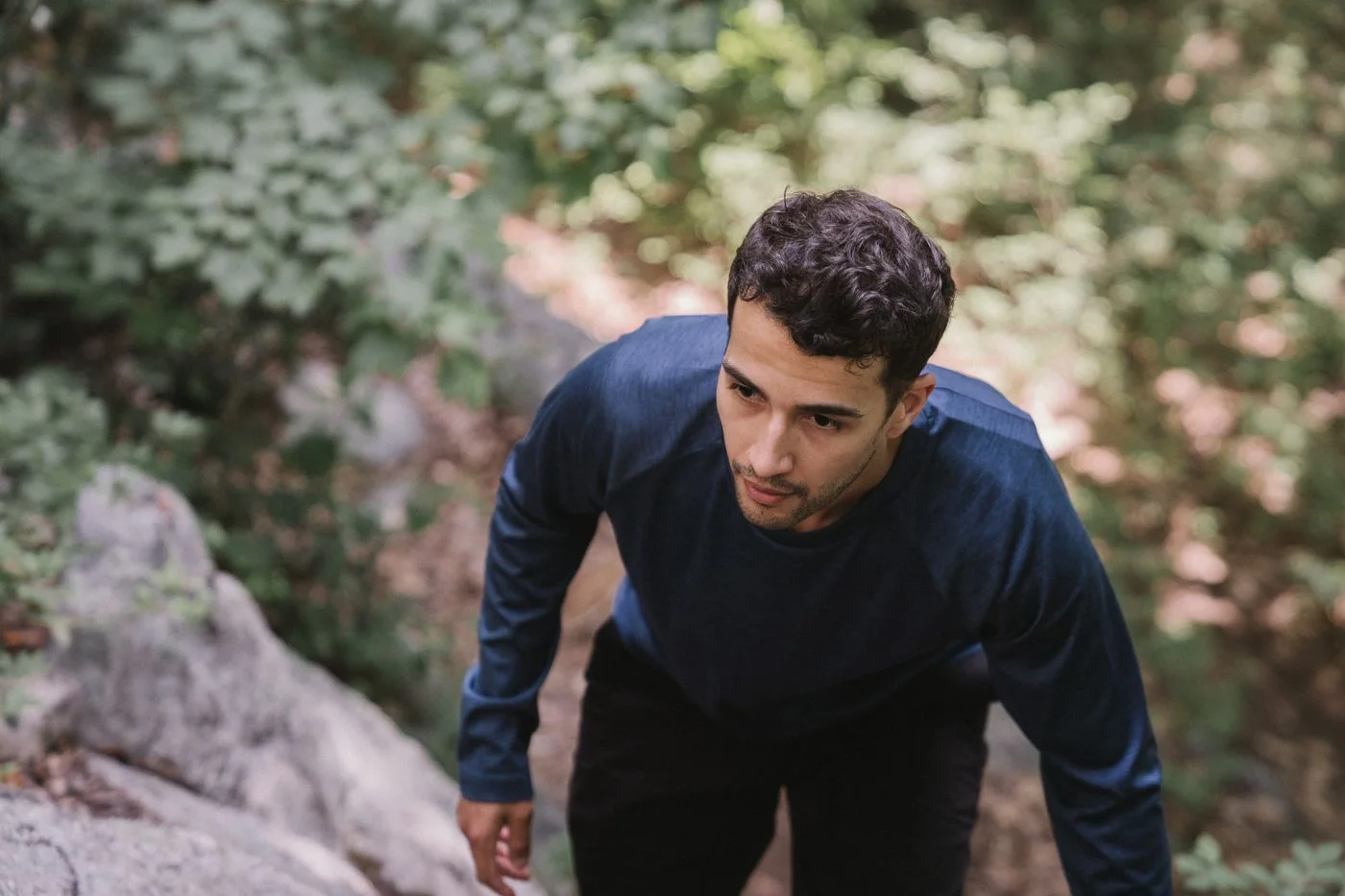
Assess a base layer with the shirt, jacket and pack that will accompany it. Check movement, hem length and the areas where several seams or closures overlap, rather than judging only its appearance alone.
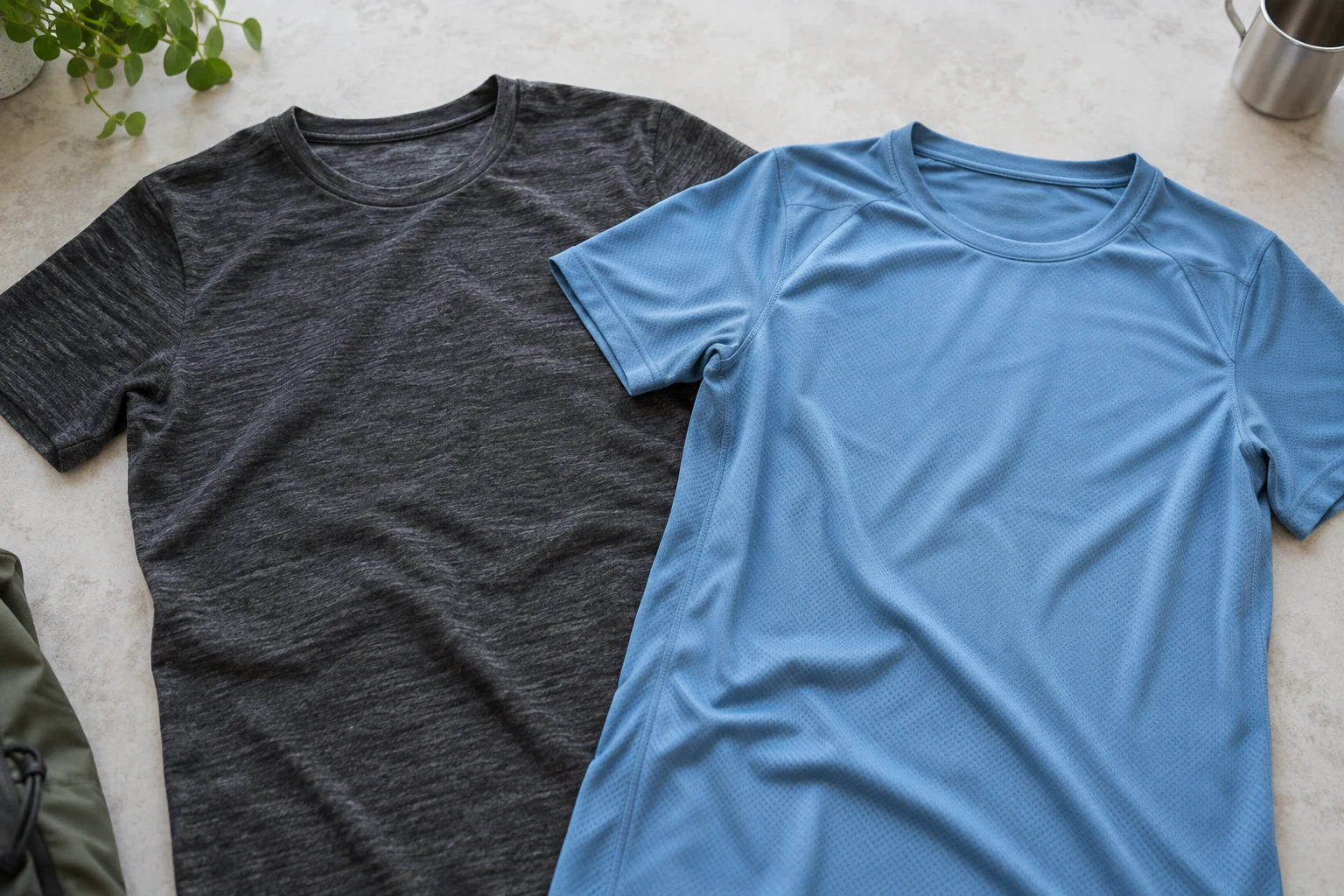
A fiber name is only the start of choosing a walking top. Compare composition, fabric construction, feel and care requirements for the actual garment and the conditions of your day route.
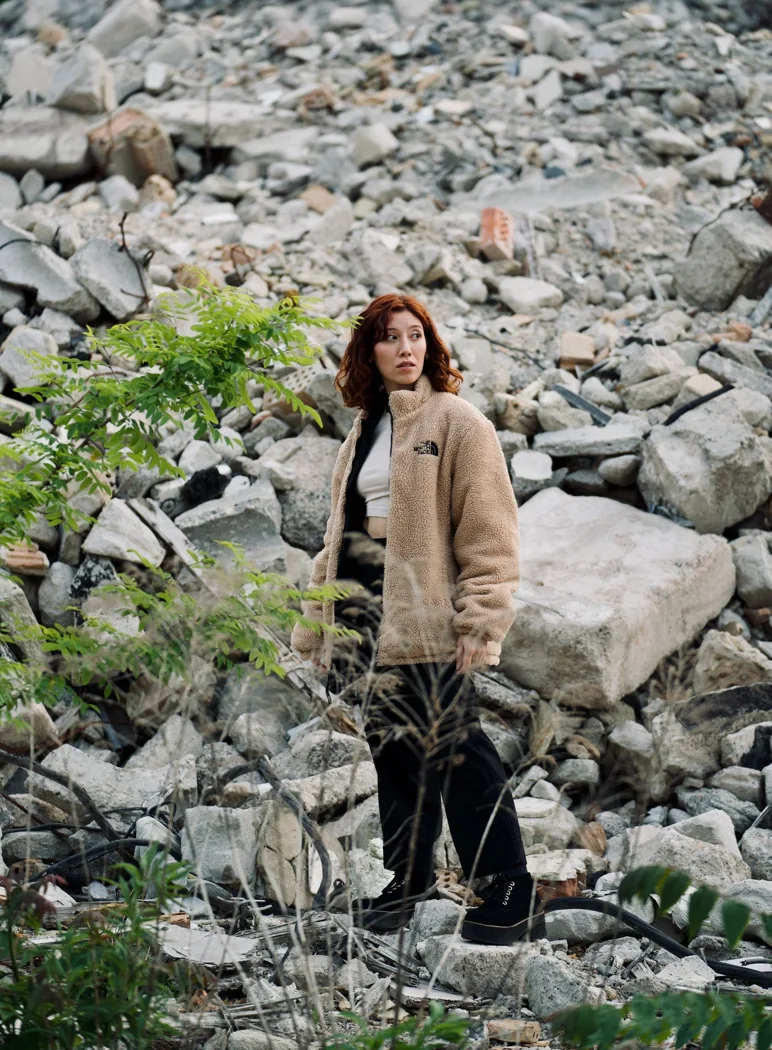
A fleece has a different role when worn uphill or unpacked only at a lunch bench. Fit, handling and room beneath the outer jacket therefore belong in the choice alongside the fabric's feel.
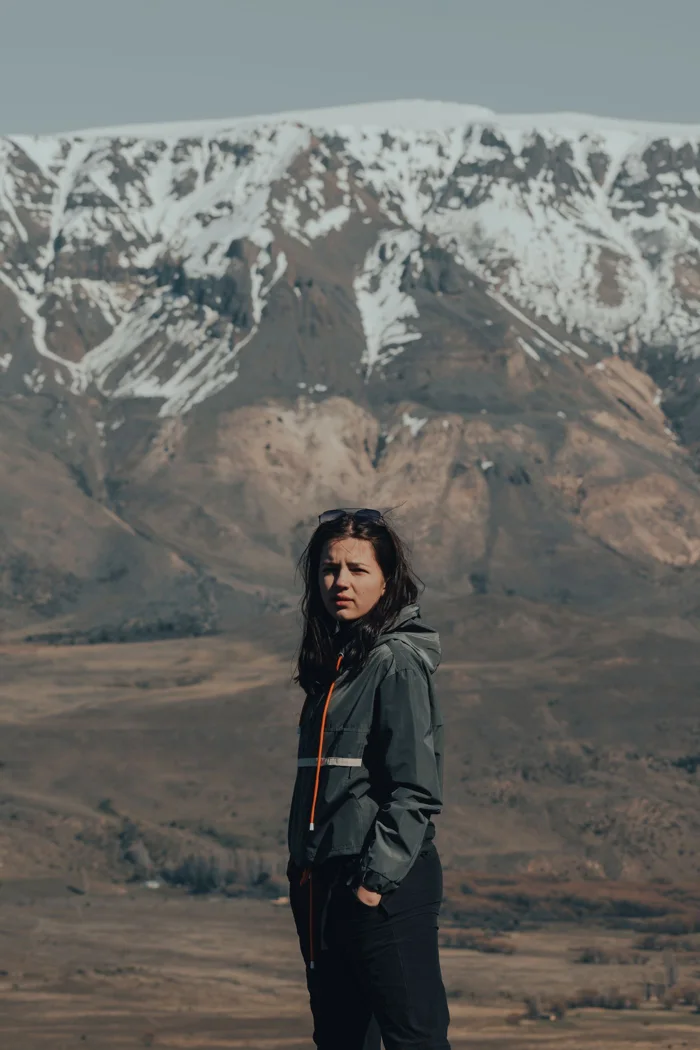
A light extra layer can serve an open section without replacing rainwear. Establish its stated protection and try it over the garments you intend to wear beneath it, rather than judging by pack size alone.
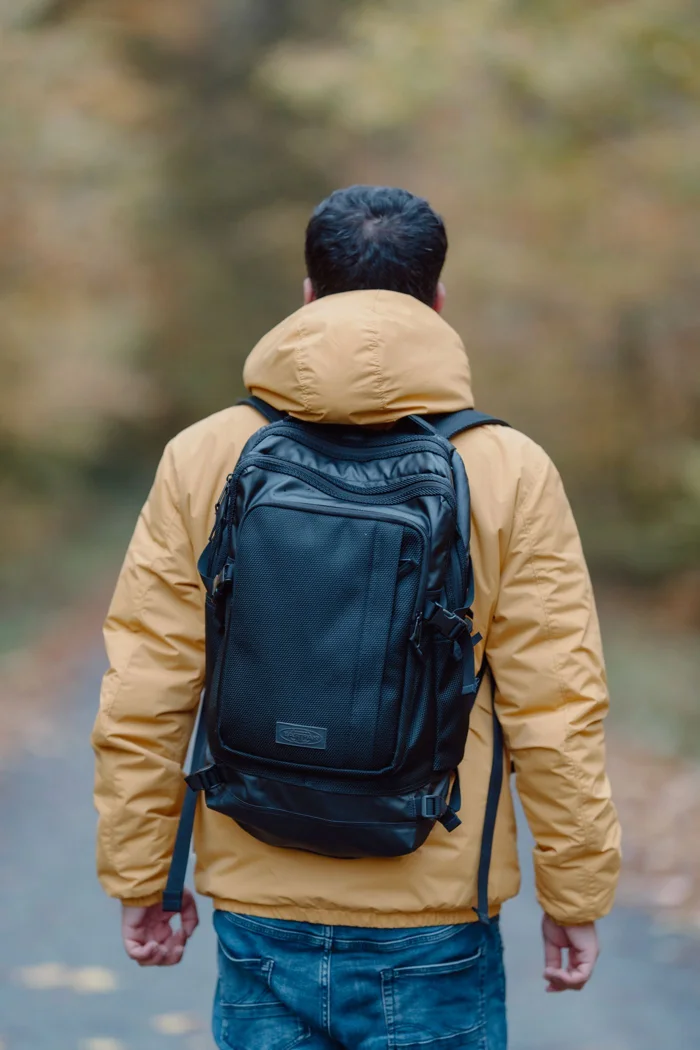
Shoulder straps and a hip belt change access to pockets and adjusters. Try a rain jacket with realistic clothing and luggage, checking the actions you will actually need rather than judging its fit without a pack.
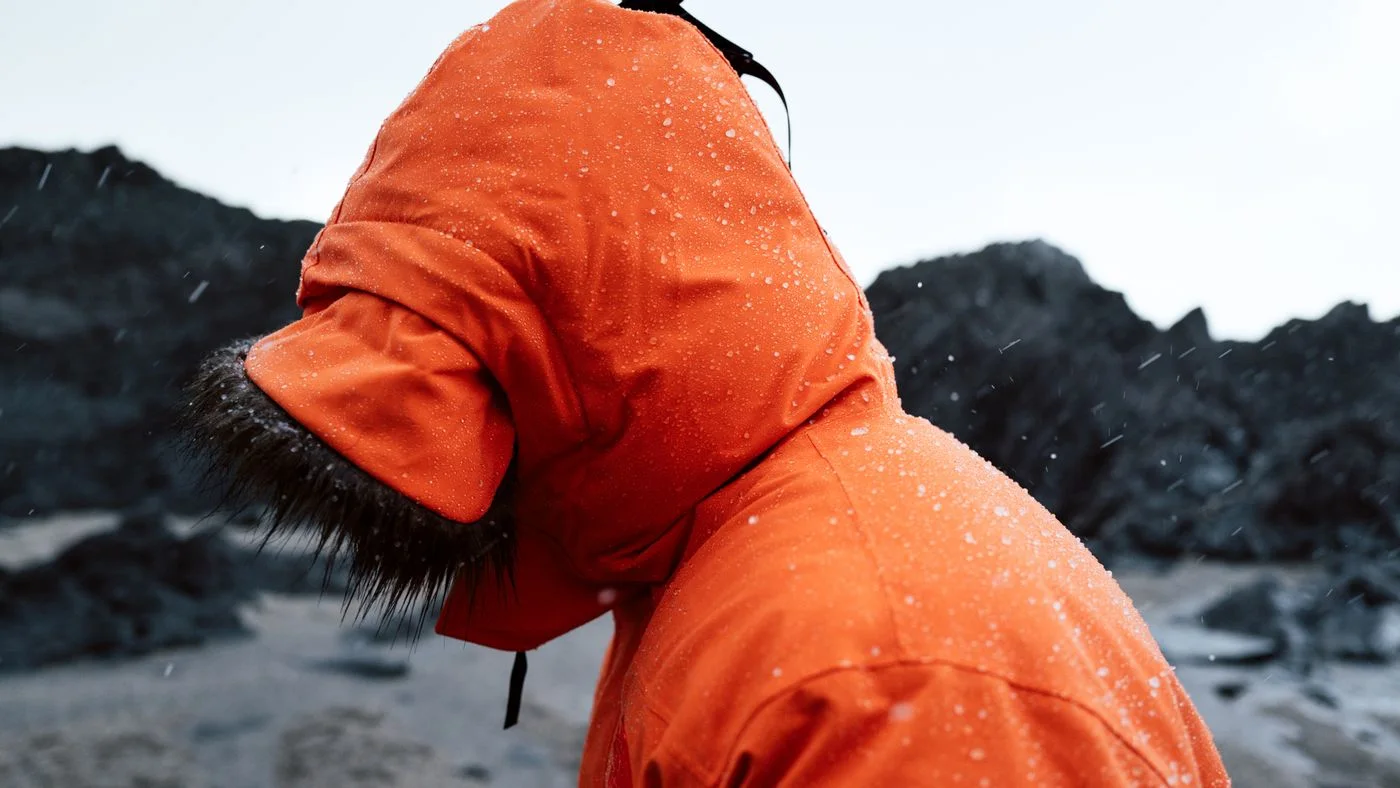
A hood needs to work beyond a standing fitting. Check its intended adjusters, sideward head movement and the combination with your hat, collar and pack rather than relying only on a neat appearance.
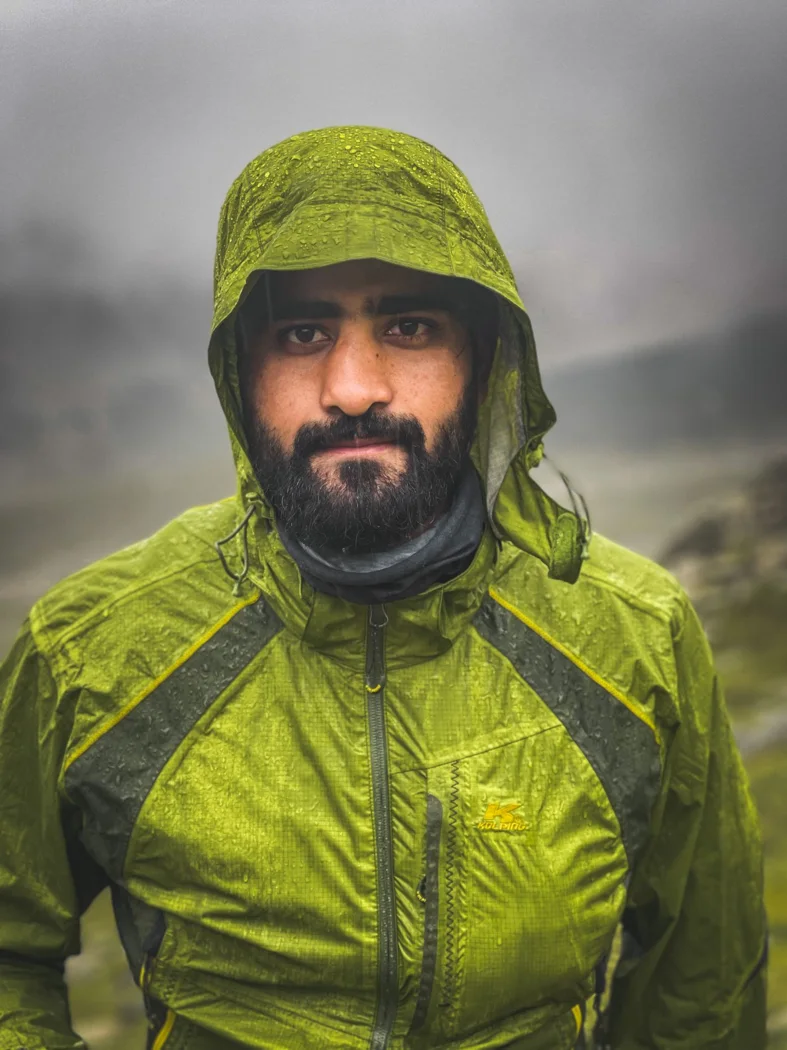
Zips and adjustable layers let you respond while moving. Learn the openings on your jacket and make changes from the rain, wind and warmth you actually experience rather than leaving one setting unchanged all day.
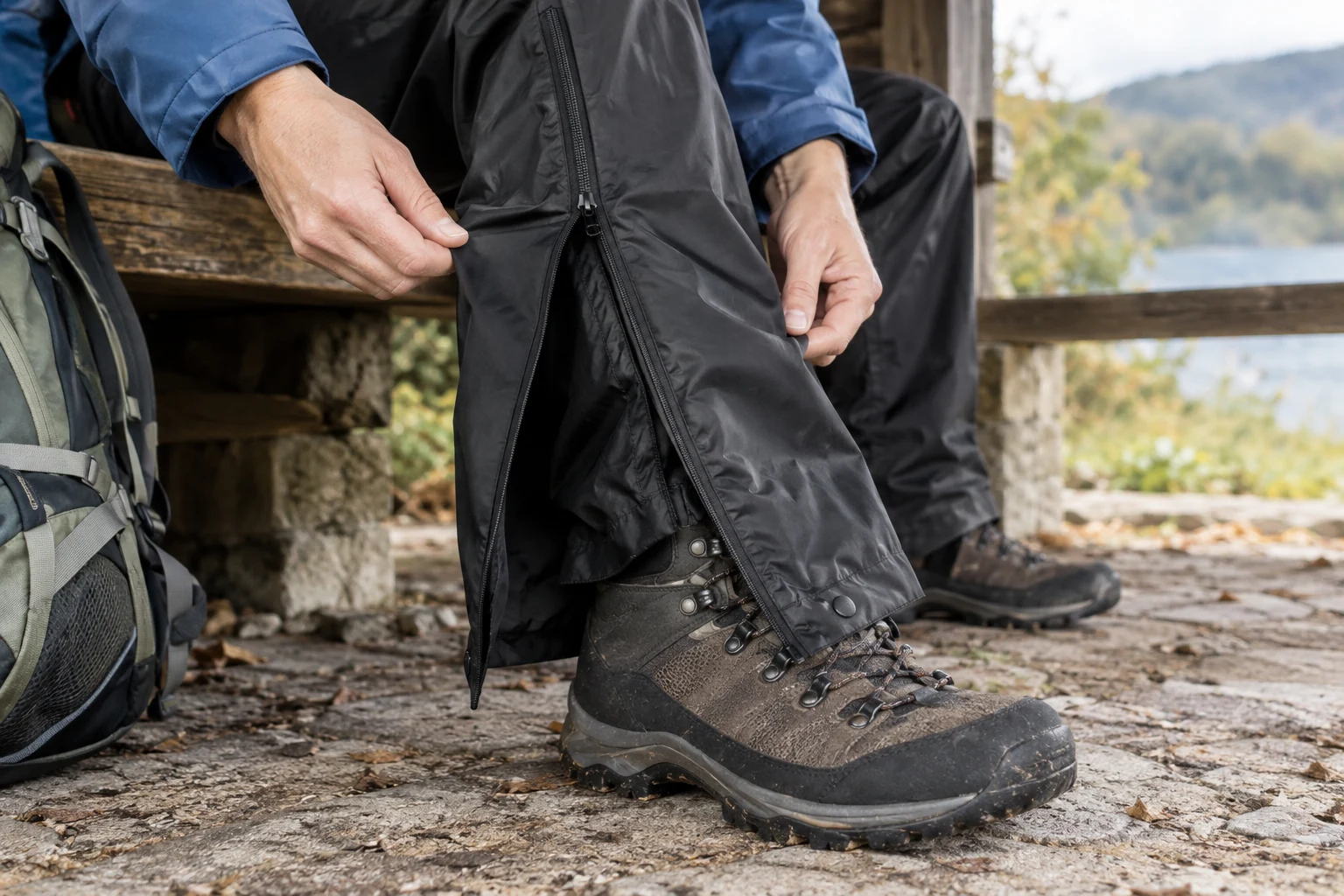
Leg openings and side zips determine how rain trousers can be handled during a walk. Practice at home with the actual footwear and trousers underneath instead of relying on a fitting in socks alone.
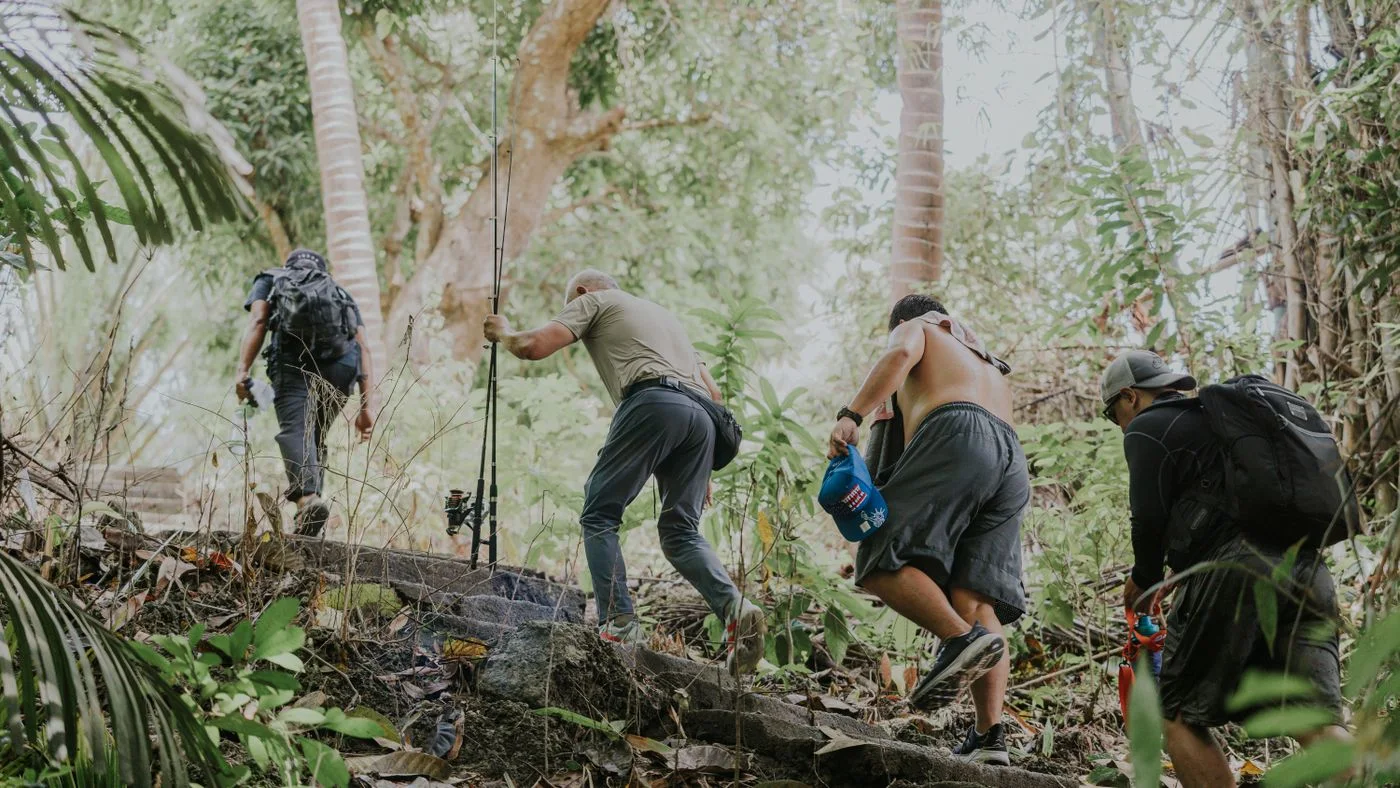
A comfortable waistband while standing is not enough. Knees, seat and leg length change in movement, so check pocket contents, belt and daypack together rather than choosing from the mirror alone.
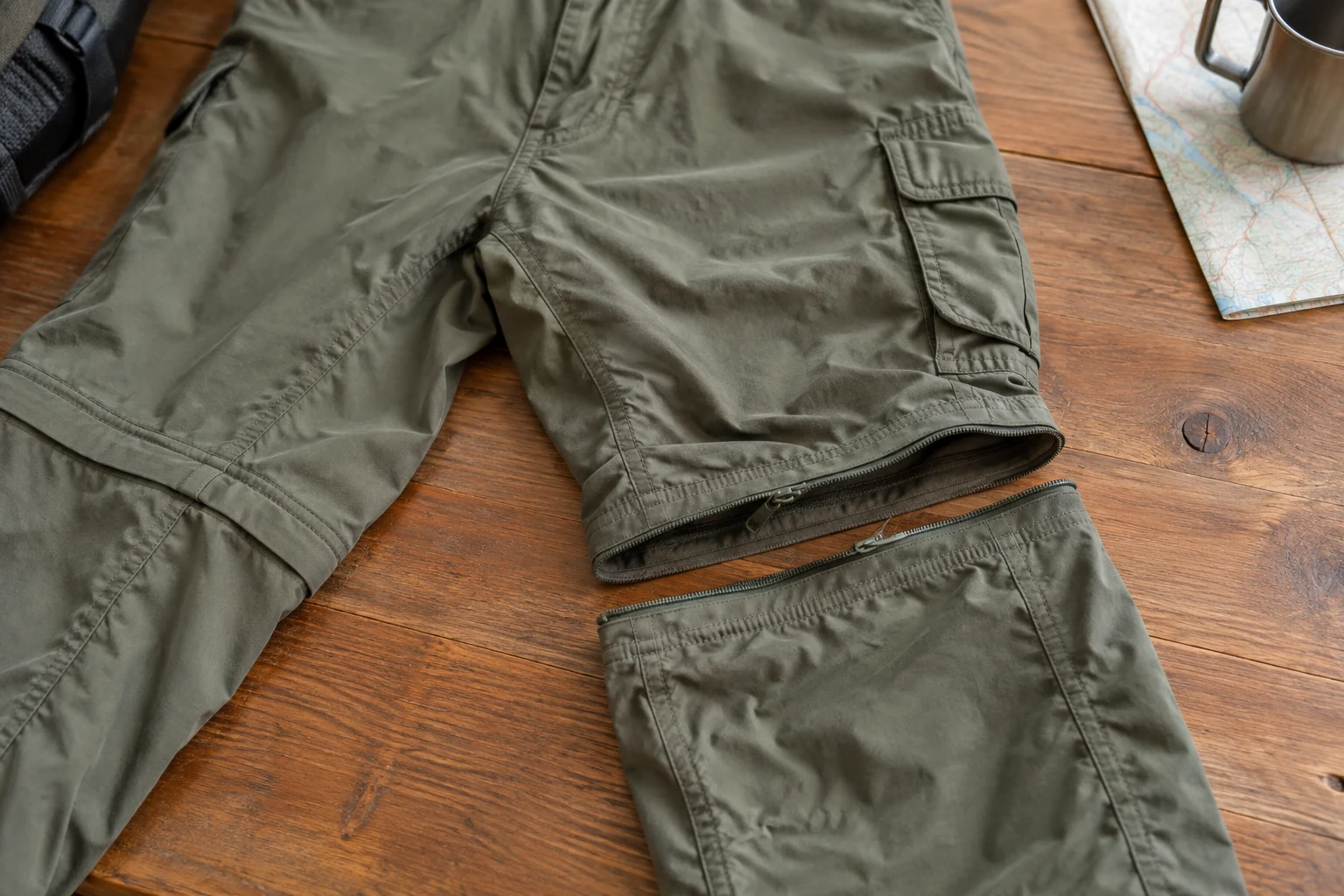
Removable legs create two wearing arrangements and additional zips. Assess both lengths in motion and practice matching the parts before depending on a quick change during a walk or a shift in weather.
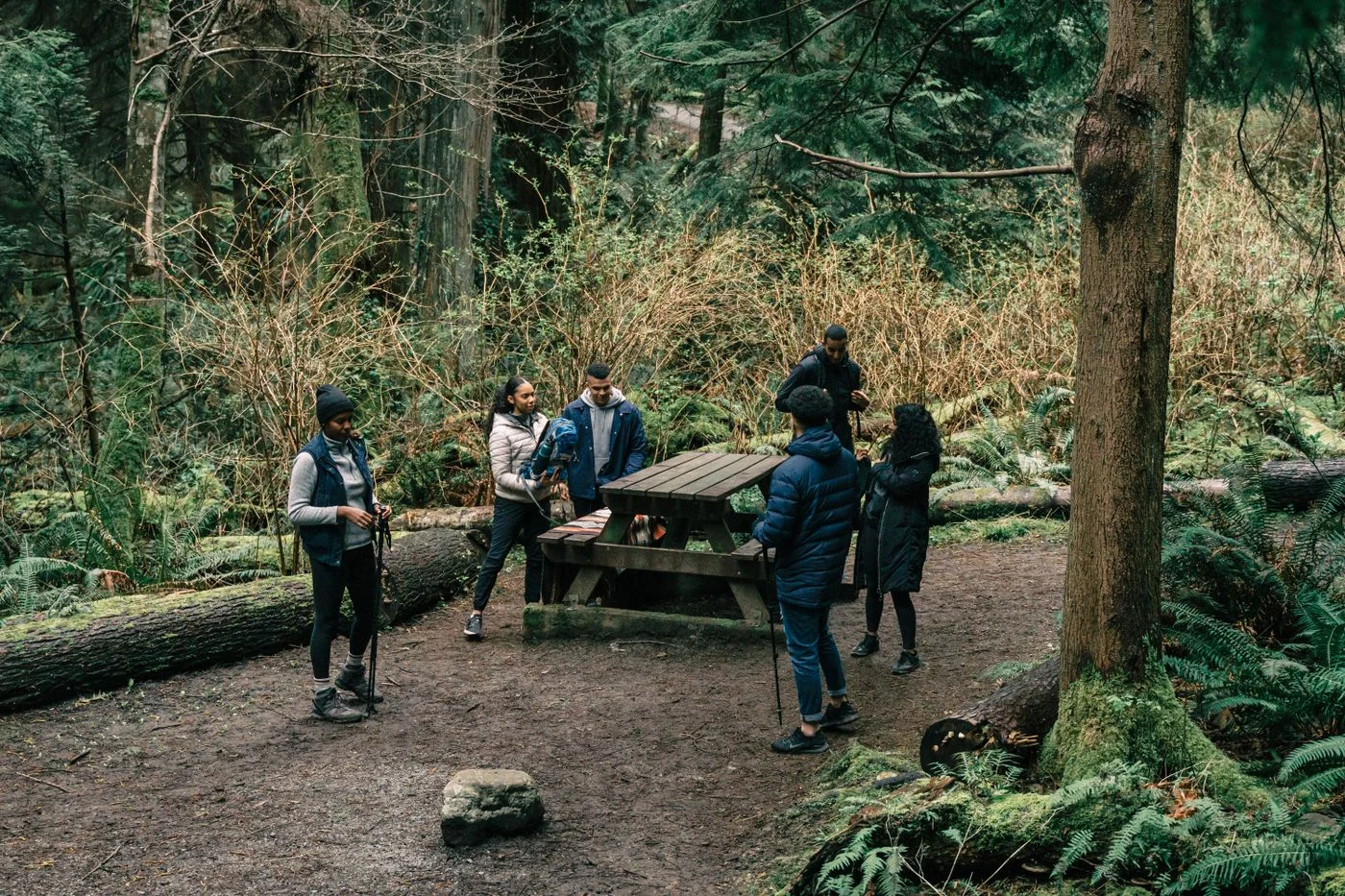
Clothing for a bench stop has a different role from clothing for the climb. Choose the stop layer with the rest of your equipment, giving access as much thought as material and packed volume.
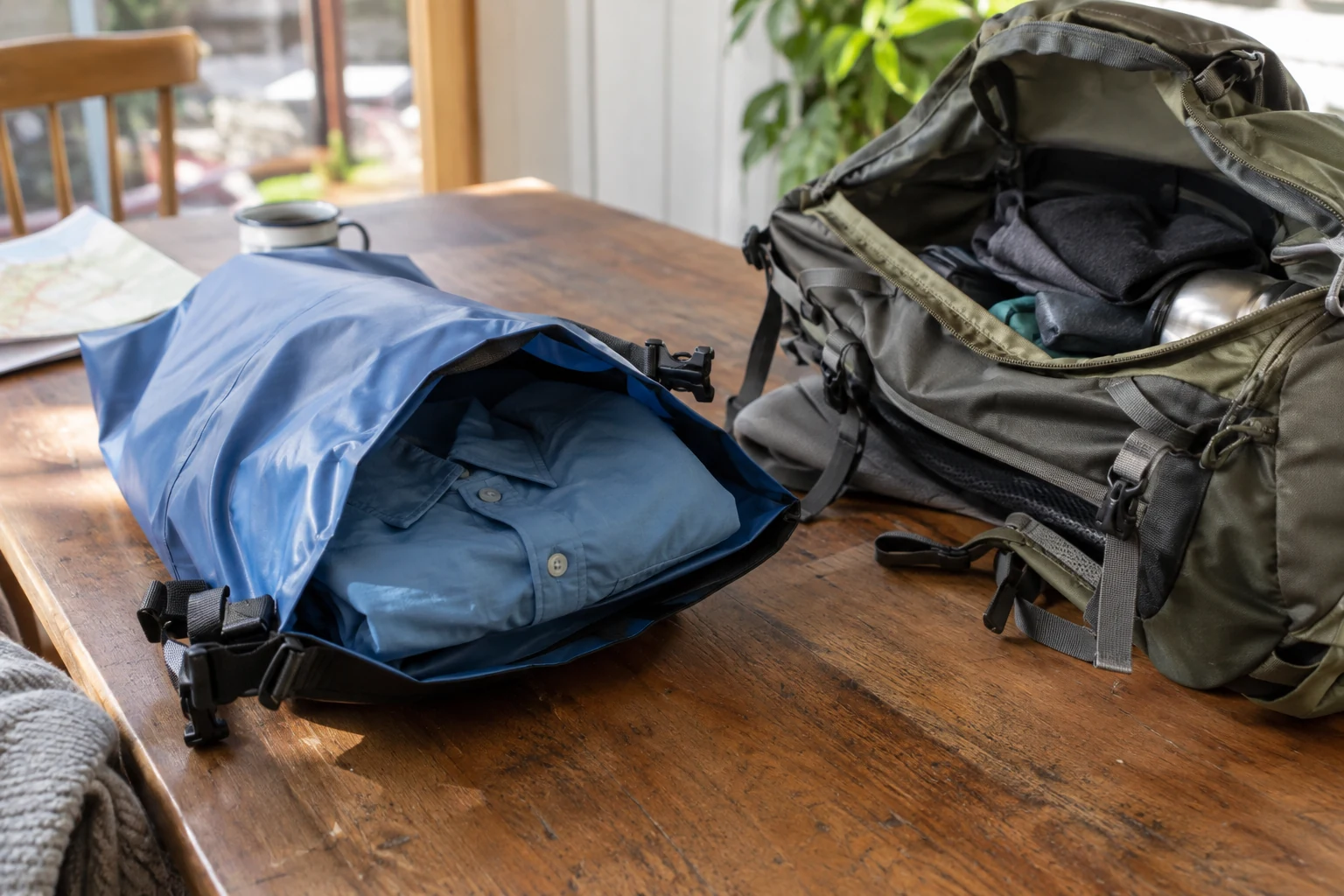
A spare top can have a clear role after a rail-based walk. Keep it separate from damp items and plan where the worn shirt will go afterwards, without automatically carrying a second complete outfit.
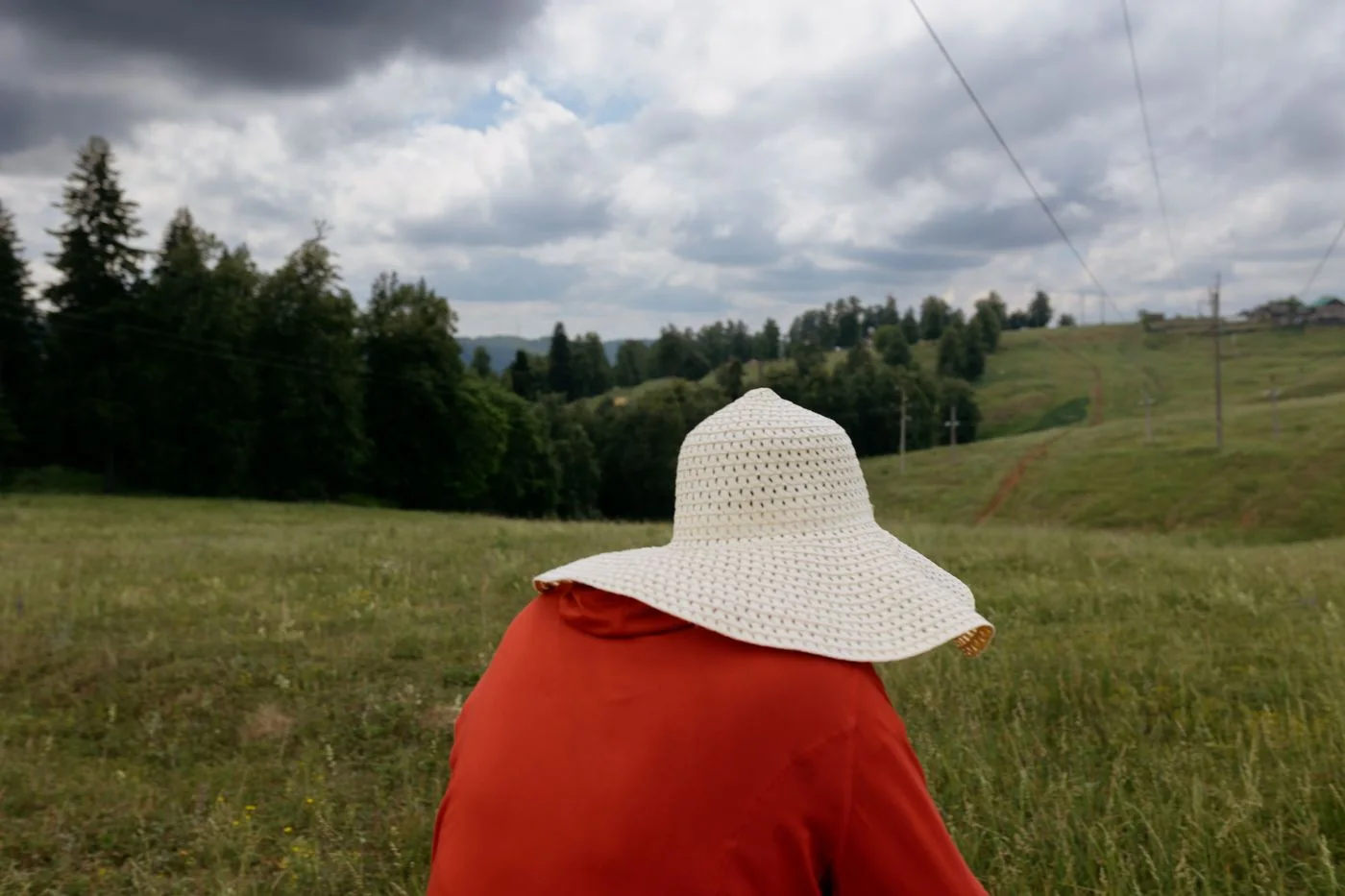
A broad brim, a cap and different adjusters behave differently in motion. Check fit, visibility and the intended retention system with the rest of your walking clothing before relying on a standing fitting.
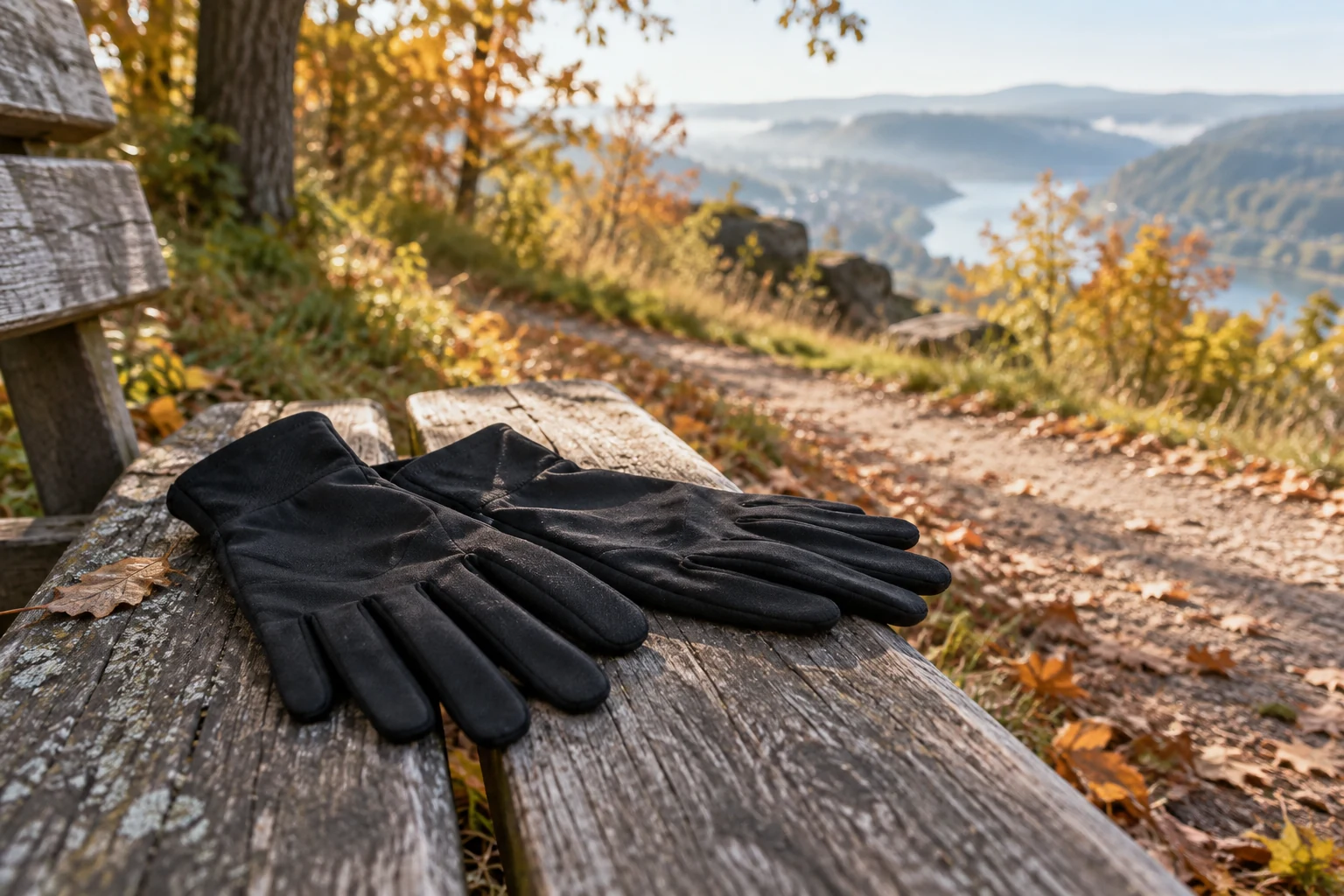
With thin gloves, fit and usable hand movements belong together. Try zips, pack buckles and jacket cuffs before the first outing rather than assuming a light pair will handle every task or weather condition.
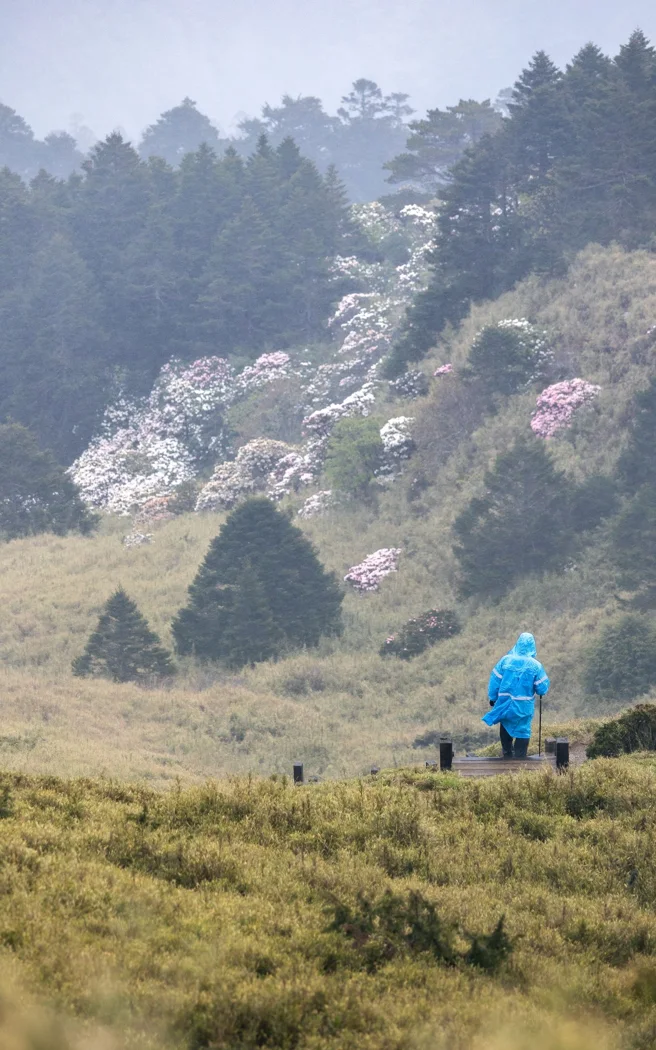
A poncho handles a backpack differently from a jacket. Compare coverage, movement and handling on the specific design and the paths where you actually intend to use it rather than choosing from fabric alone.
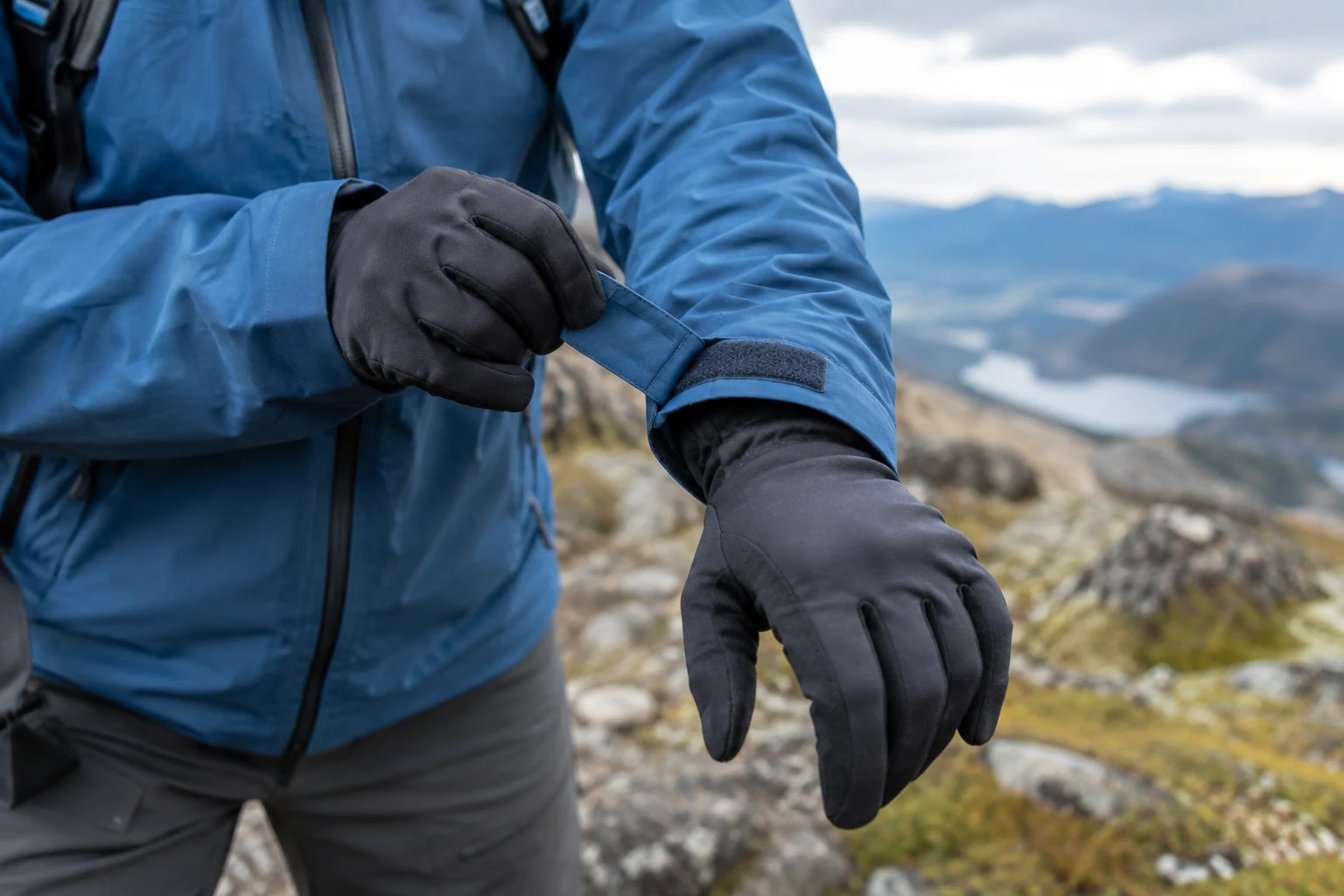
Sleeve length and glove cuffs need to work in motion. Assess reach, adjusters and intended overlap with every layer you plan to wear, rather than checking the jacket around an uncovered wrist alone.
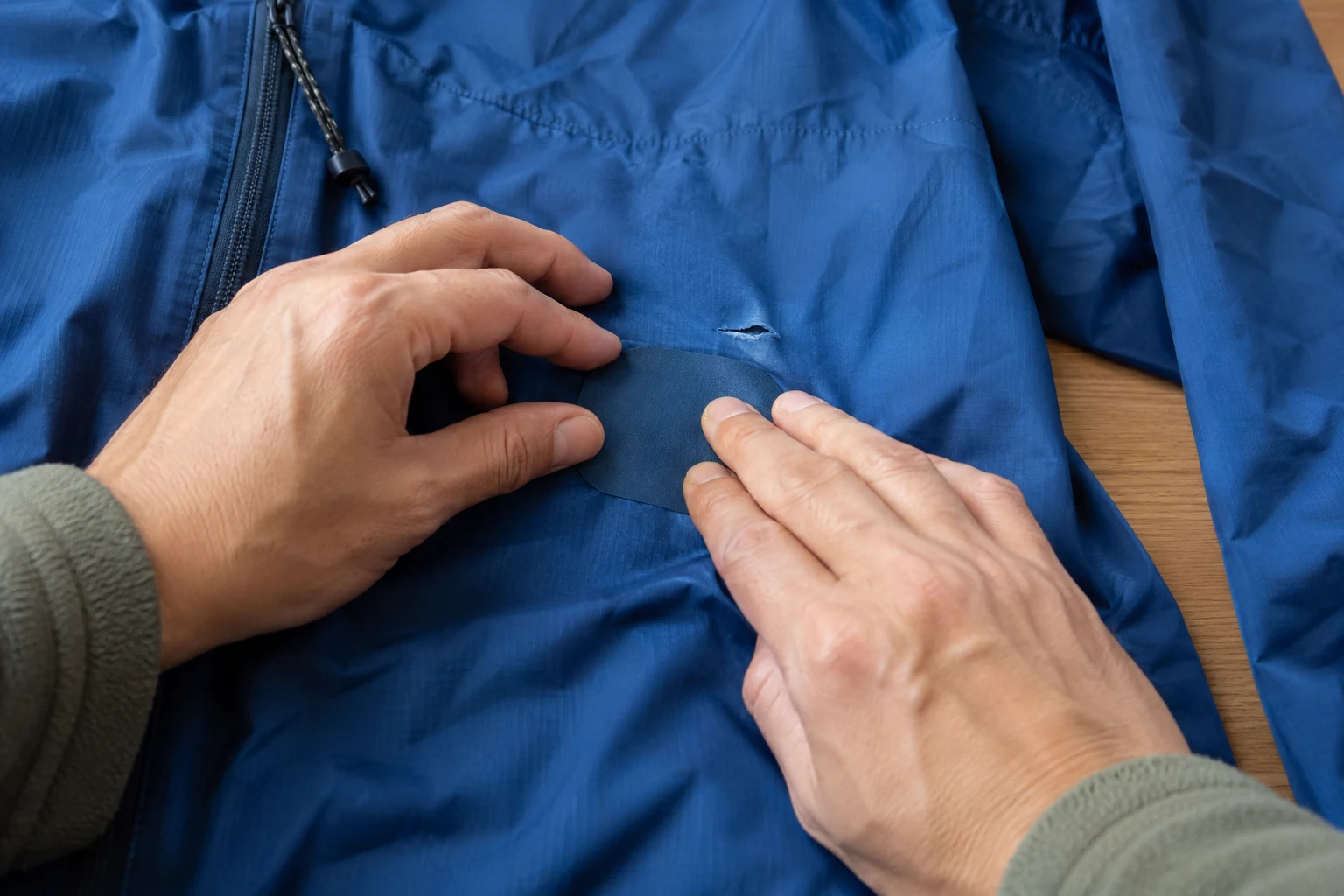
A suitable patch starts with material and damage location. Establish product compatibility, prepare the area as instructed and distinguish a little fabric opening from damage at seams or closures before deciding on a repair.
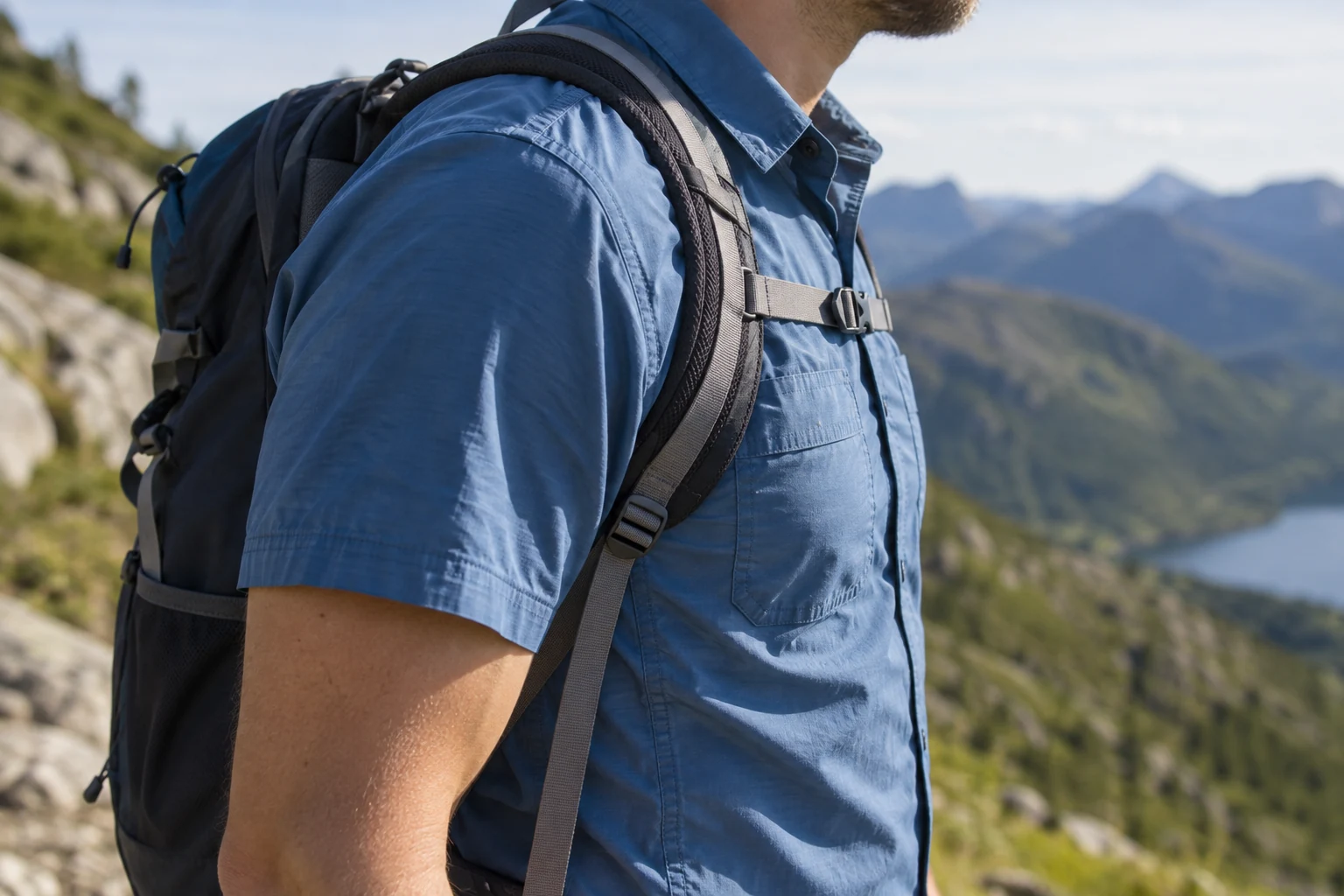
A pack can make fabric edges and pocket contents noticeable in new places. Assess the complete arrangement with realistic luggage, changing individual causes rather than responding only by tightening more straps.
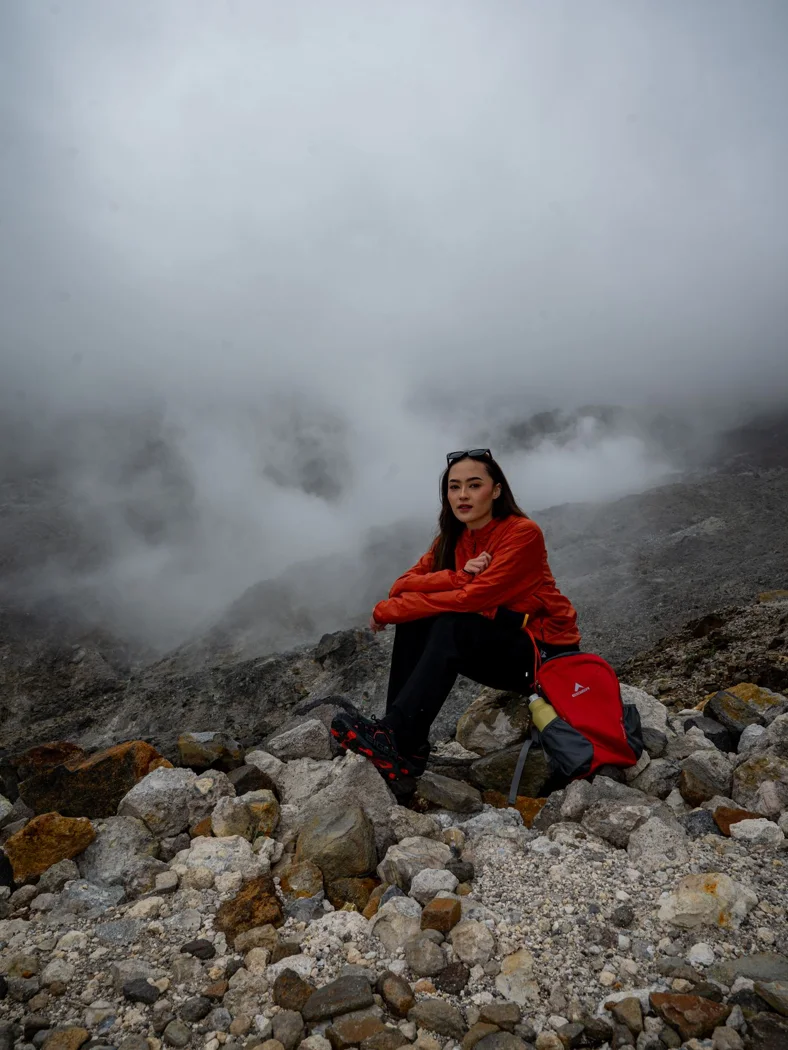
An easily noticed color is one equipment characteristic rather than a promise for every situation. Assess the whole outfit with your pack and plan shared paths as carefully as the clothing you wear on them.