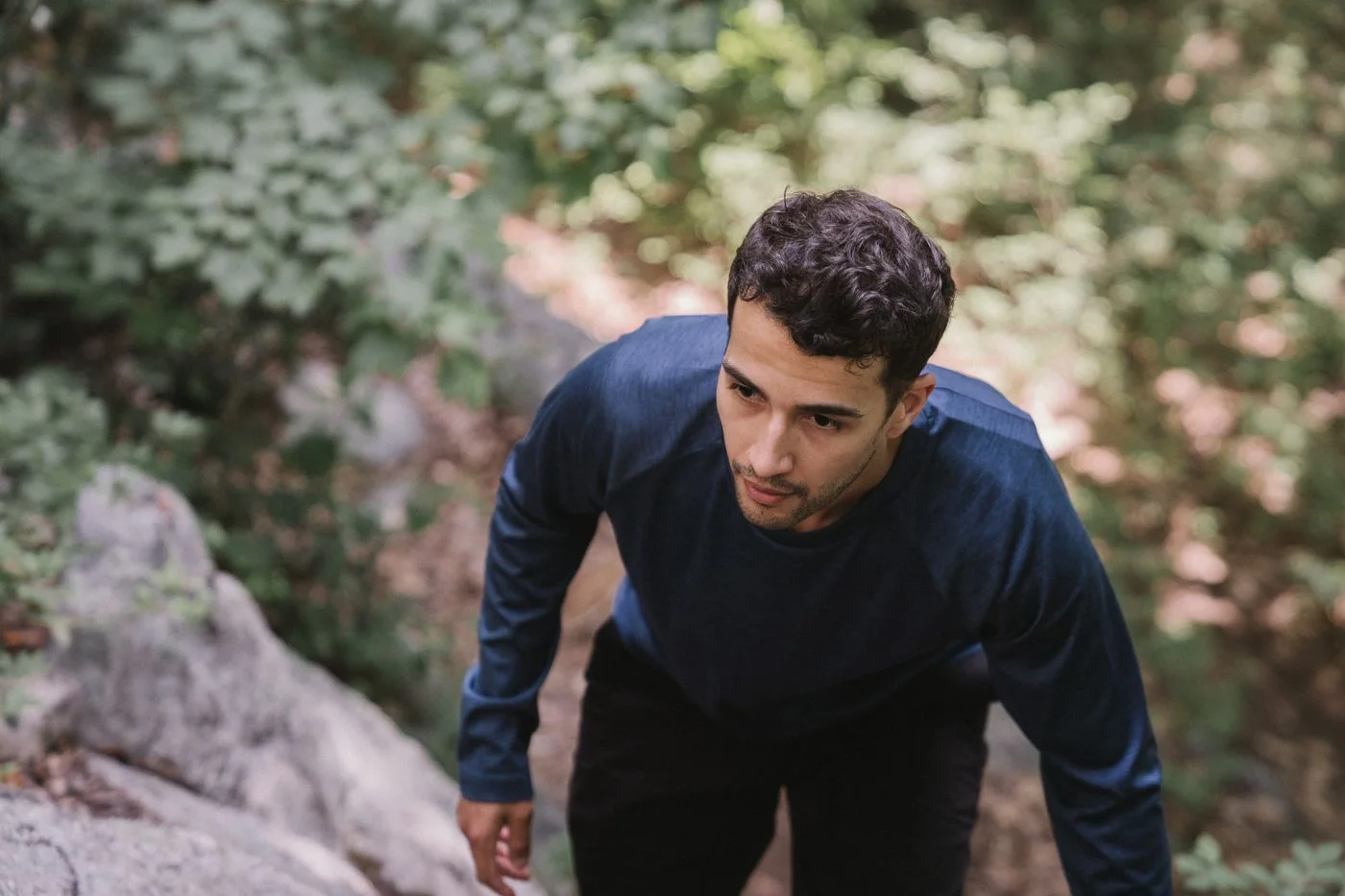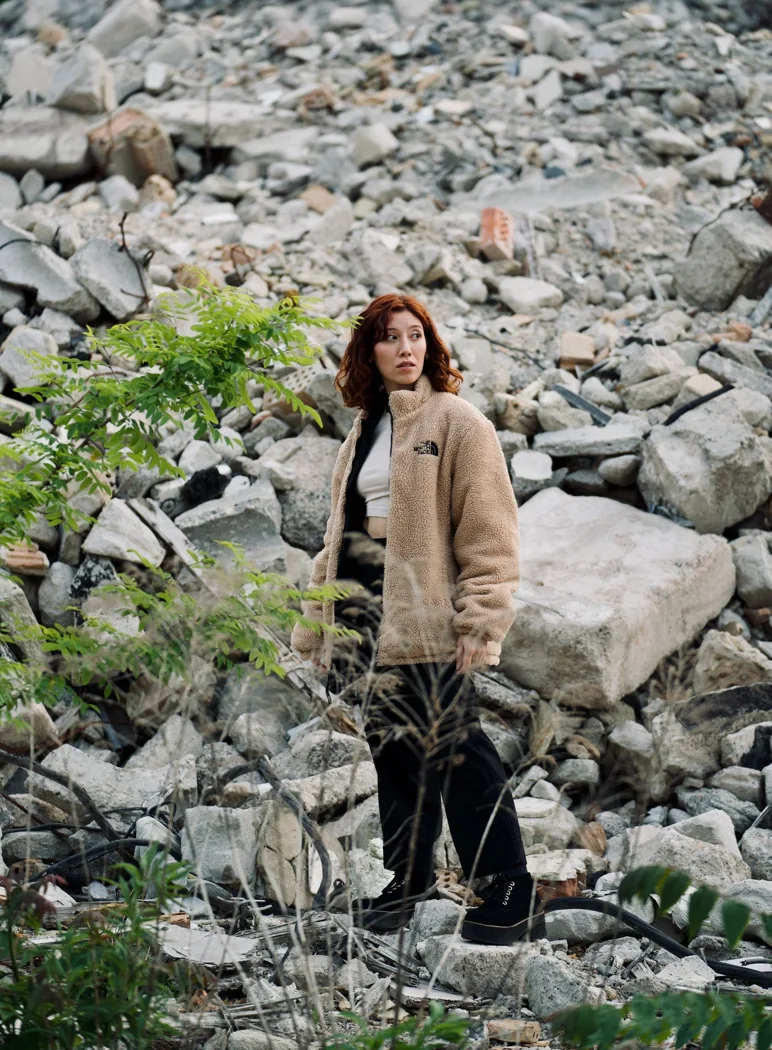
The station feels cool, the first climb feels warm, and the open ridge is windy. On a day like this, a single very warm jacket can be difficult to adjust. Several compatible pieces allow smaller changes. That does not mean carrying every jacket you own. What matters is the job each item performs and whether you can reach it when the conditions change.
Break the day into different situations
Do not prepare from one temperature figure alone. Consider the morning start, the highest or most exposed section, the planned stop and the journey back. A sheltered woodland path and an open hilltop can ask different things of your clothing despite being close together. Use the local forecast alongside the actual route when making those decisions.
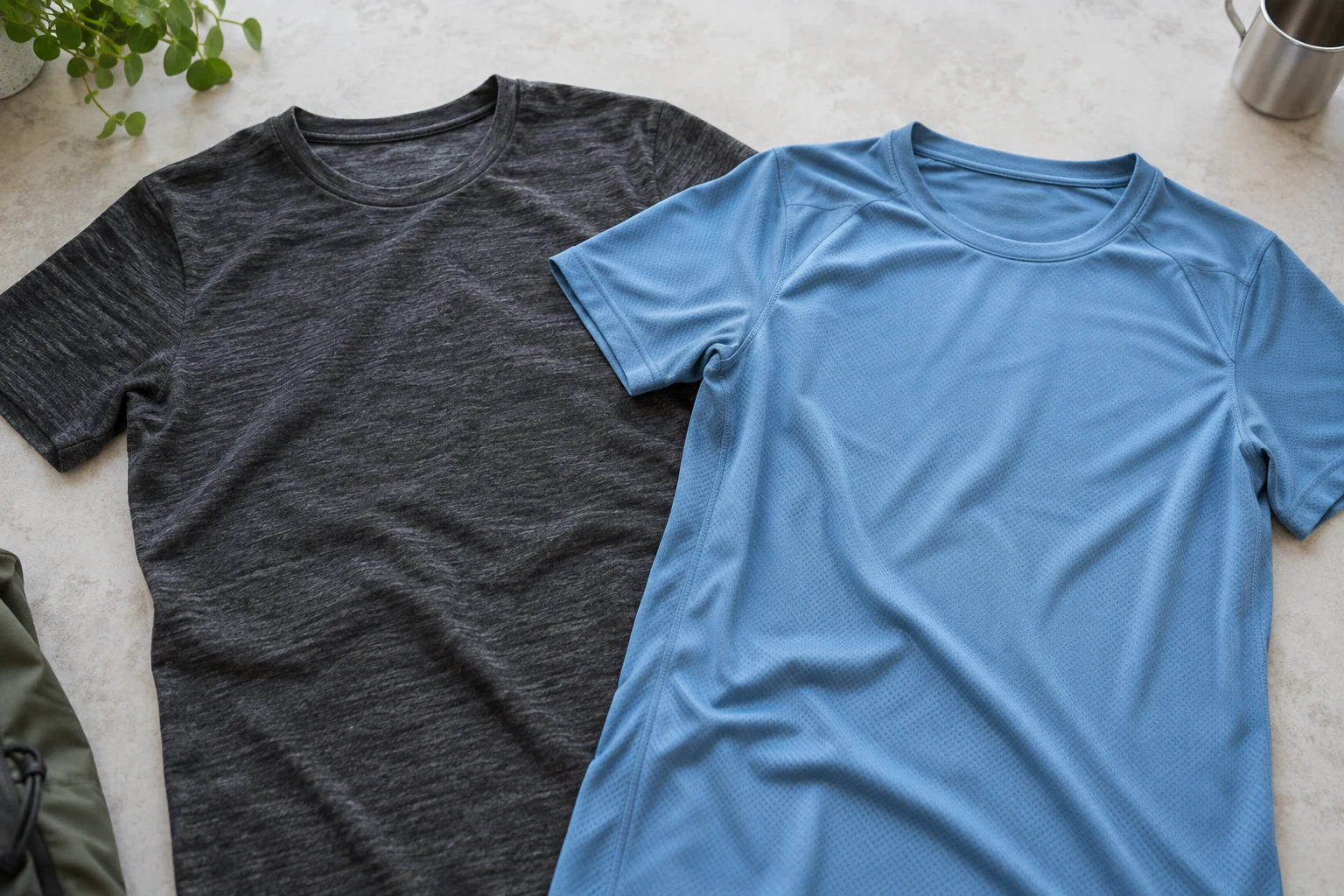
Lay the selected items out and give each a purpose: a top for walking, an additional warm layer, and protection from wind and rain when the conditions call for it. The German Alpine Club describes layering through these functions. They do not always require separate additional garments. Two nearly identical jackets may add bulk without adding another useful combination.
Keep adjustments straightforward
Clothing should be manageable without unpacking everything. A collar you can open or a fleece you can remove easily may be more useful on a sustained climb than a combination requiring a lengthy stop. Put the layer you are likely to need next in an accessible compartment.
If you begin to feel too warm while moving, consider opening a zip or removing a layer early. The German Alpine Club recommends taking off warm clothing before becoming very sweaty and putting warmth and wind protection back on for a stop. The point is to make useful adjustments, rather than stop at every brief change between sunshine and shade.
Treat the stop as a separate situation
Sitting at a bench for a while is different from climbing. Include a stop layer deliberately. Keep it as dry as possible and have it ready before you open the rest of your pack or become occupied with food and maps. The change can then be a short action rather than a search.
A windy stop may call for a closed outer layer as well as additional warmth. Try that combination at home: does the outer jacket still fit over everything without pulling across the shoulders and arms? Can you close the zip and sit down comfortably? An insulating item that fits only when the other clothing is absent has not been chosen well for this particular system.
A rain shell need not stay on all day
Carrying a rain jacket does not mean wearing it through every dry section. Decide when it is needed from the conditions you encounter. Even a jacket described as breathable still leaves you with the task of adjusting clothing to your activity. The product description does not do that management for you.
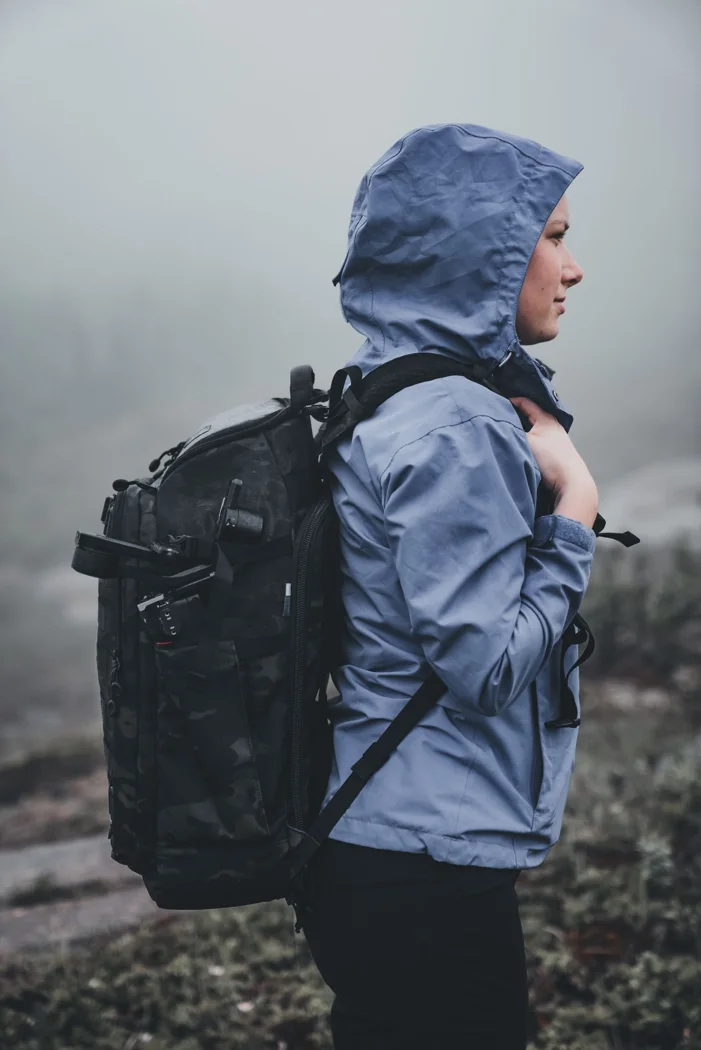
Check the hood, sleeves and hem while wearing your daypack. The jacket needs to work with the shoulder straps fastened. Discovering that the hip belt blocks a pocket is much easier to deal with before the walk. If prolonged rain is expected, consider suitable protection for your legs when putting the outfit together, rather than only when a heavy shower arrives.
Improve the arrangement after the walk
After returning, note what you lacked and what you carried without a clear use. A stop jacket buried too deeply does not automatically mean you need a new purchase. A different packing order might solve the problem. If two layers always had to be worn together but still fitted badly, reconsider the combination itself.
These observations gradually build a manageable system for your own routes. There is no fixed number of layers that covers every day. Forecast, duration, stops and the clothing already available determine each selection afresh.