Look at the return first
A loop normally brings you back to the starting point without a deliberate turnaround. That is convenient, but it can create a misleading sense of flexibility. At halfway, the shortest suitable return may still involve most of the remaining loop. Examine the entire shape before choosing it for an attractive opening stretch.
An out-and-back route has an obvious decision: turn around. You can make that decision sooner if the available time shrinks. The whole distance back still has to be walked, however. If the outward section mainly descends, include the later climb in your choice. Familiarity with the path does not remove the work of returning.
Changing scenery or an adjustable destination
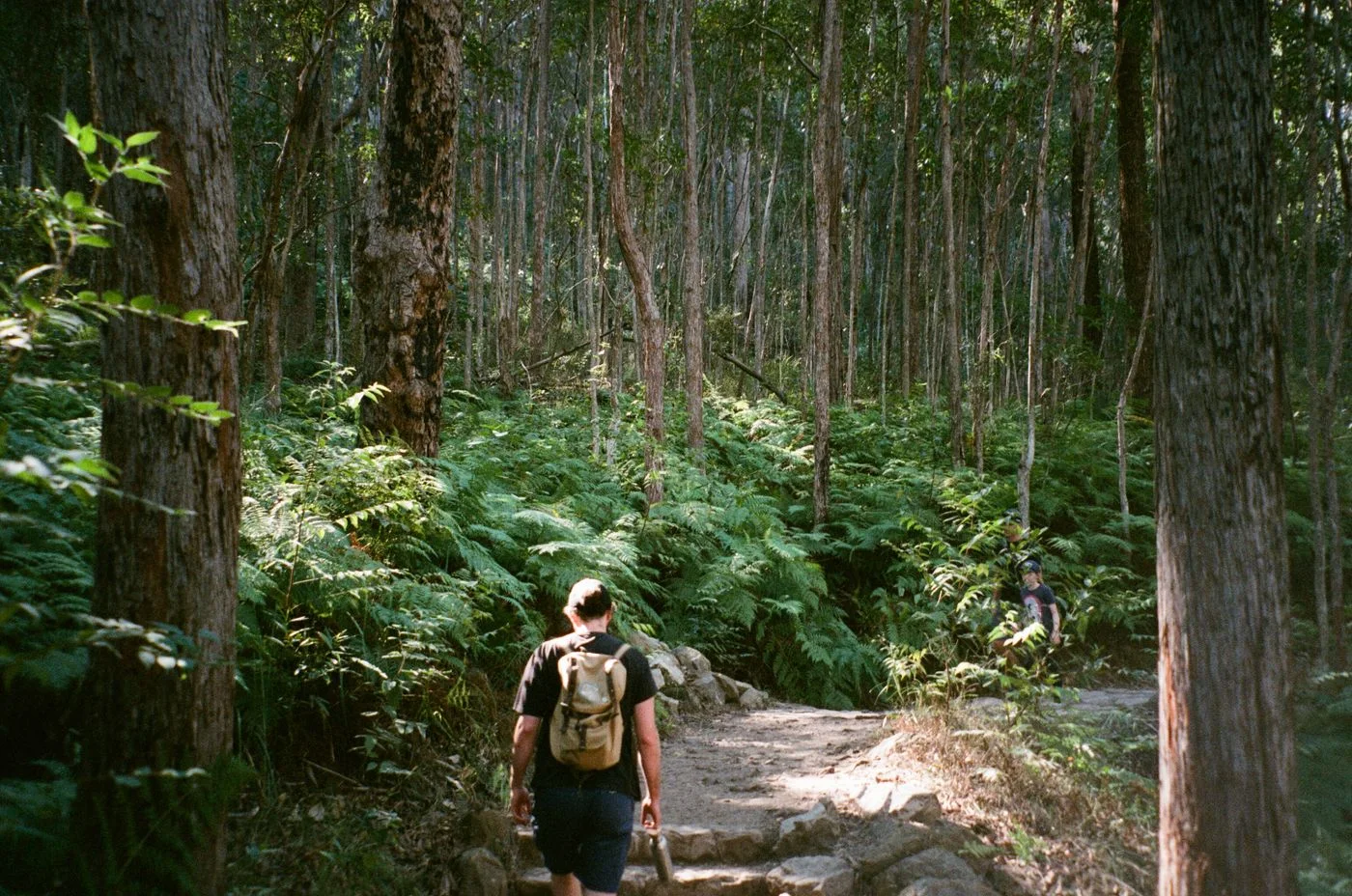
A loop works well when you want to connect different parts of a landscape, perhaps woodland, an open field path, and a village. Check whether the links between them are enjoyable too. A long section beside a busy road can outweigh the benefit of fresh views. The shape drawn on the map is not a quality rating in itself.
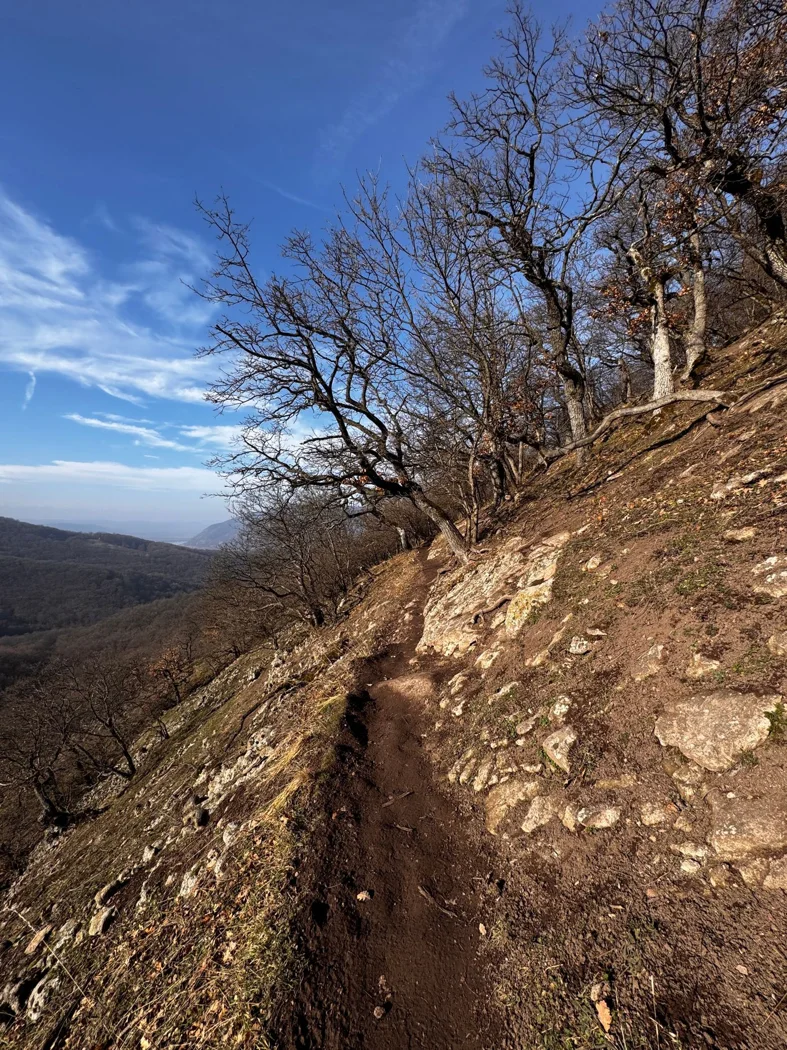
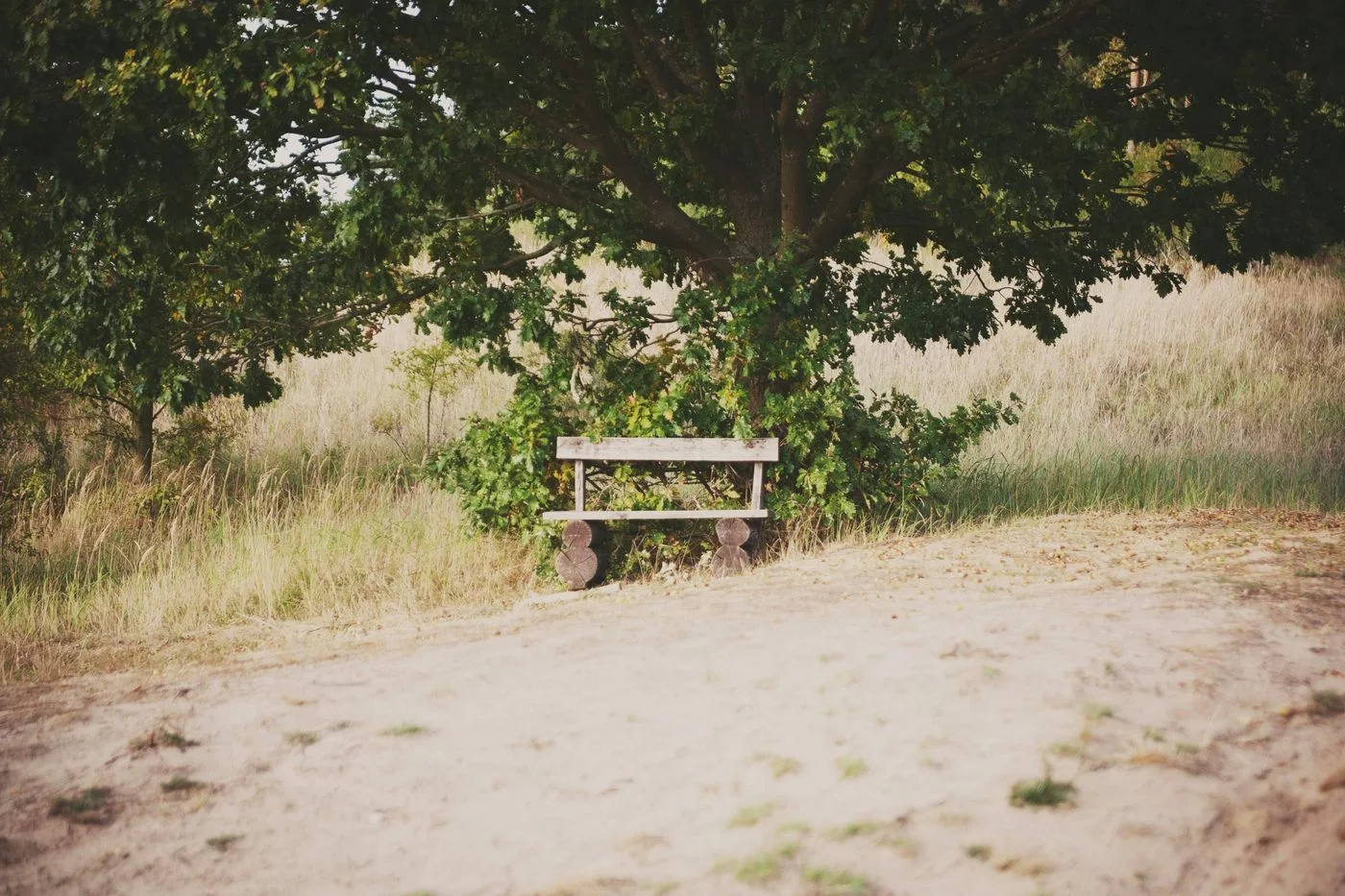
An out-and-back is especially useful when one stretch is the reason for going. You might want to follow a stream or visit a viewpoint. Set a latest turnaround time and keep the hoped-for destination optional. A bench or an unmistakable junction can provide a usable turning point before that destination, making the decision easy to carry out rather than endlessly postpone.
Returning the same way is not necessarily a simple repeat. Light falls differently, views face the opposite direction, and details noticed earlier can receive more attention. For photography or a slower look at a place, the second encounter may be part of the attraction rather than a compromise.
Try a small loop with a separate extension
If you want flexibility and some variety, look for a manageable main loop with a clearly separate side trip. Start the extra section only when there is genuinely enough time and interest. Do not hide an optional destination inside the unavoidable return.
For a group outing, explain the route shape as well as the distance. Everyone should know if a particular junction commits the group to a long remaining circuit. A short description such as woodland loop with an optional viewpoint is more informative than a kilometre figure alone.
With a tight schedule, the route that is easiest to understand often makes the better day. Extra variety can be added on another outing. Missing the planned journey home cannot be compensated for by an elegant line on a map.