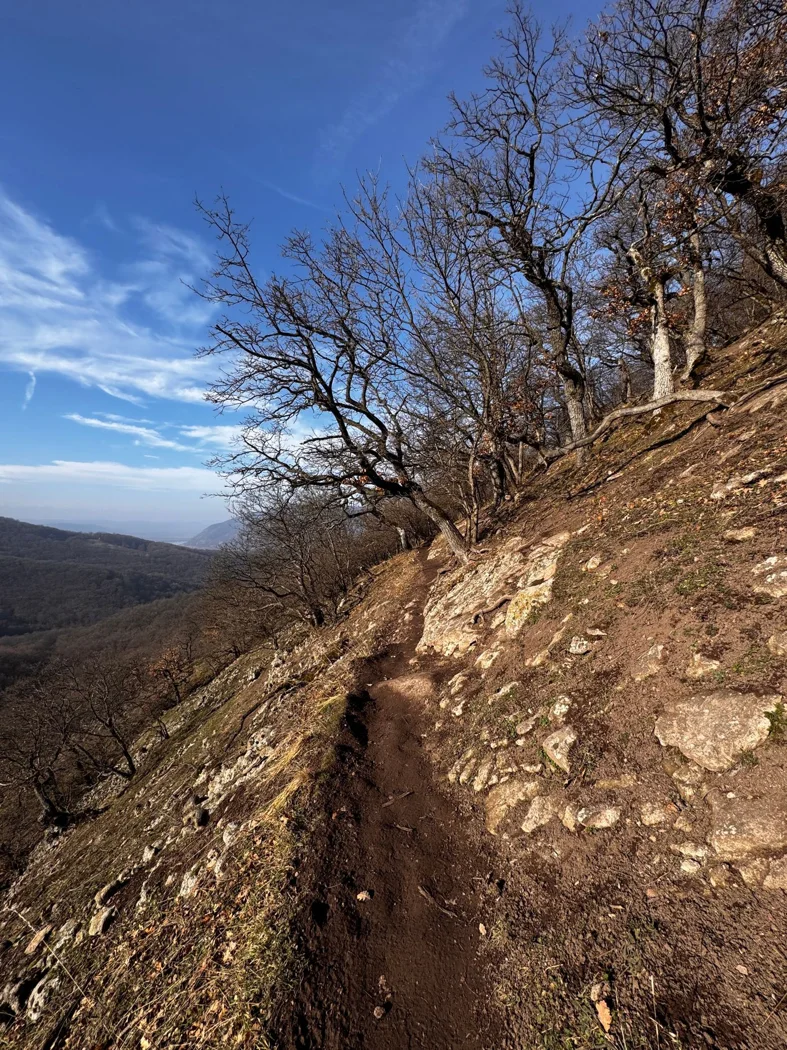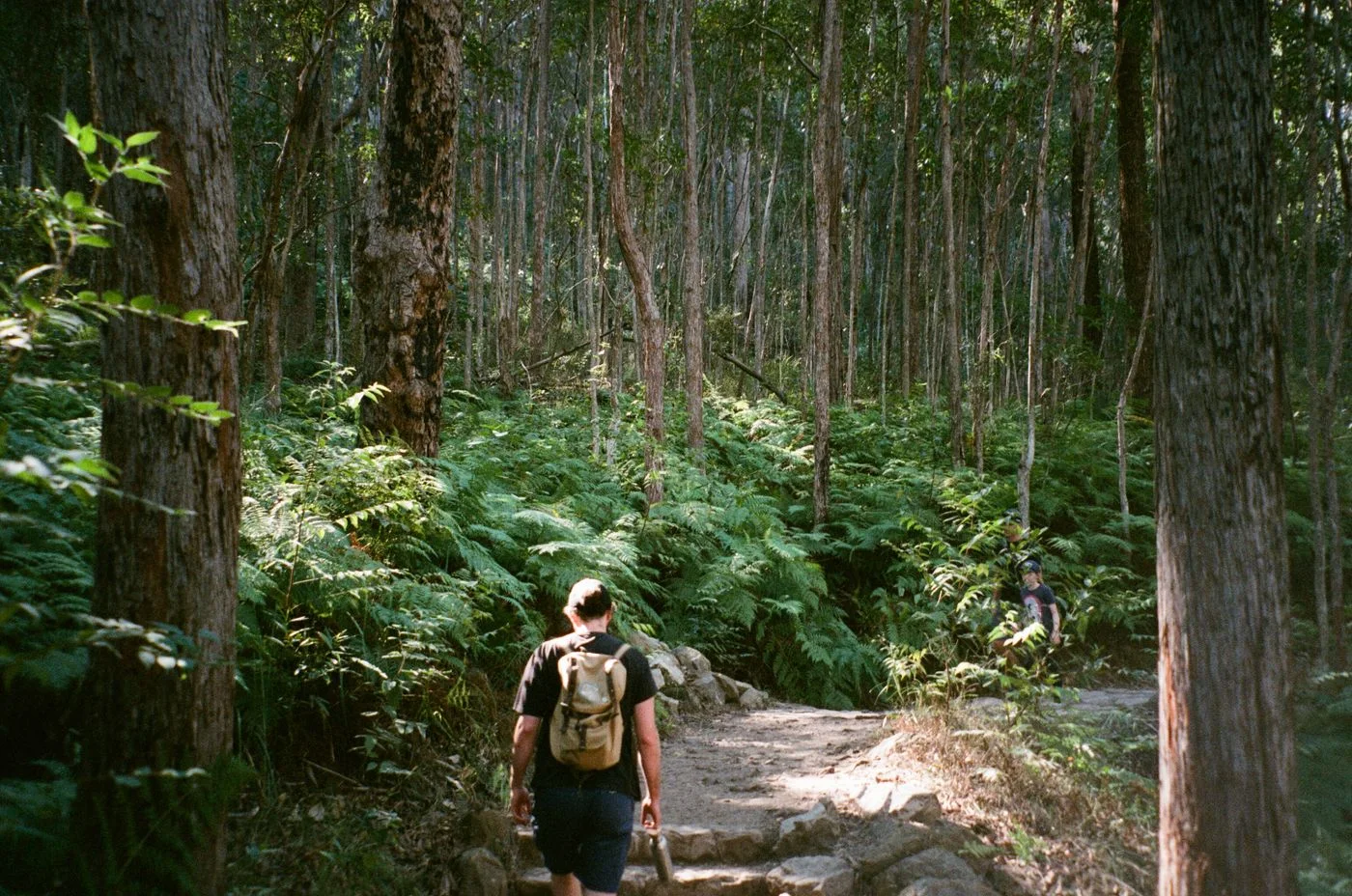
Consider access and the actual route together
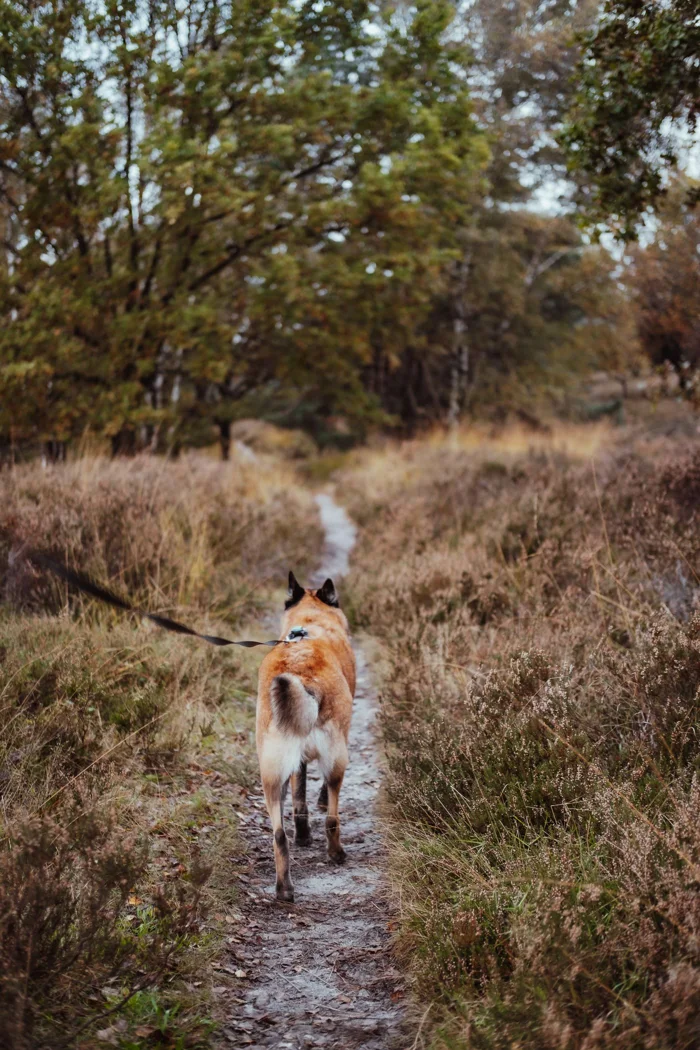
A route may look broad and quiet in photographs while still containing places that do not suit your outing with a dog. Read the complete description and current information from the local authority or path manager. A general label such as dog-friendly does not explain whether a particular section is accessible or which rules apply.
Notice gates, narrow openings, steps, and unusual crossings. Where the route enters grazing land or a protected area, look specifically for local information. Leash requirements and access vary by location. Do not transfer a general statement from a description of another region.
A prepared alternative must itself be a confirmed suitable path. A line around the affected area on a map is not enough. If the connection is unclear, select a different circuit from the start. This article concerns ordinary day paths, rather than difficult passages or overcoming obstacles.
Include travel and stops
For buses and trains, check the current conditions of the relevant operator. Tight connections or a distant stop can change the whole outing. A short walking route does not automatically make the journey straightforward.
Before a planned food stop, establish whether dogs are allowed in the intended area. The German Alpine Club likewise advises checking hut arrangements in advance. A photograph of a terrace cannot establish whether a dog may join the table today. Prepare a pause that does not depend entirely on that particular business.
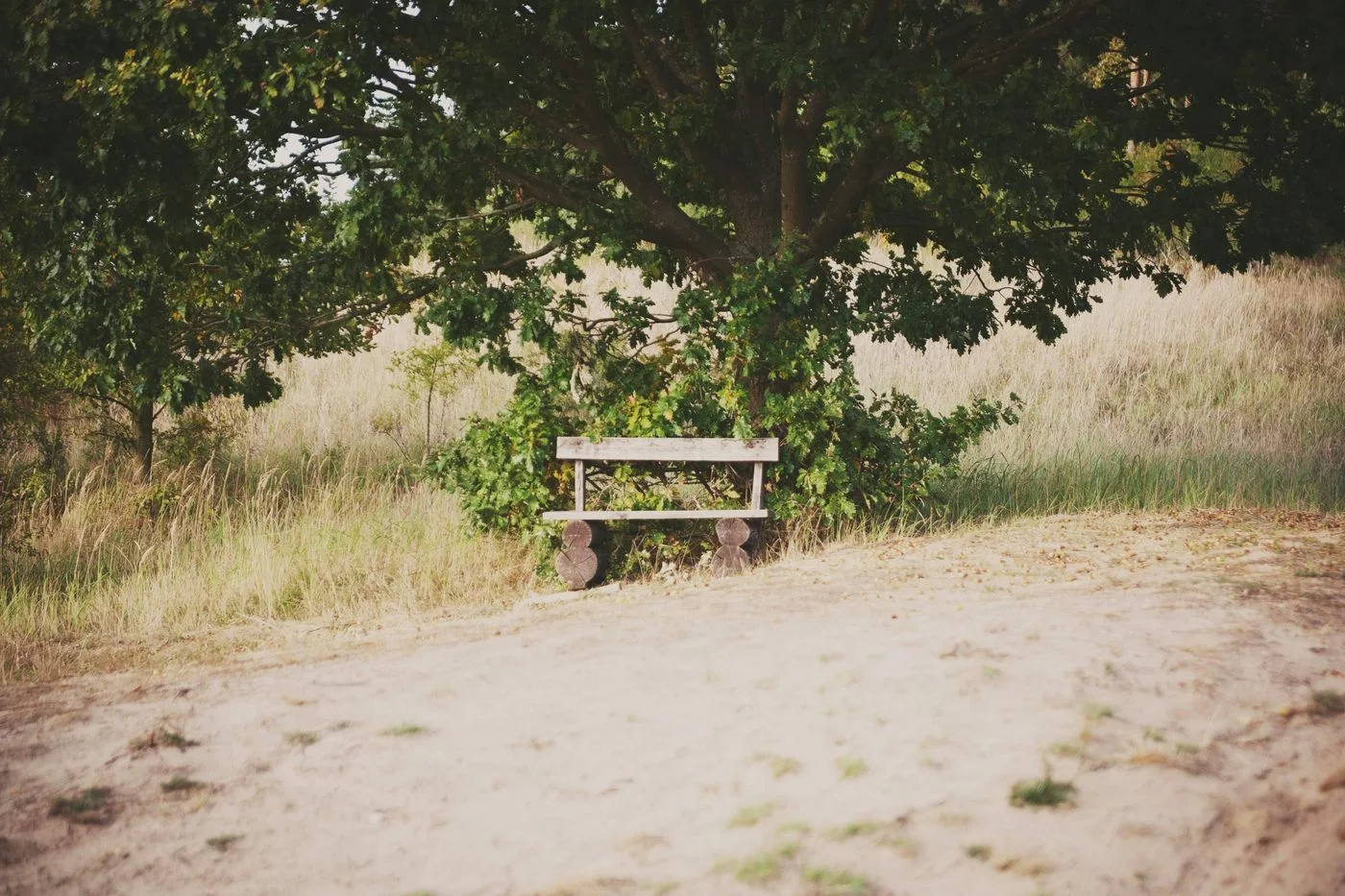
Choose stopping places with adequate space. Avoid stretching a lead across a busy passage and keep entrances clear. A quiet edge of a designated rest area is often easier to organise than the narrow point beside a signpost.
Keep the shared outing easy to adjust
For an unfamiliar route, a short version with an early return option is useful. Consider what the dog and accompanying people know from familiar walks without inventing universal distance limits. Questions about individual health or capacity cannot be settled by a general route description.
Agree with companions how pauses and encounters will be handled. In a larger group, do not assume someone else will always check the next junction or keep a narrow opening clear. Simple responsibilities make the day easier to understand.
If new rules or a closure appear at the start, change the plan. A saved route does not replace current notices. A shorter walk on appropriate paths is a complete alternative even when the original circuit looked more varied in its photographs.