Choose a land route deliberately
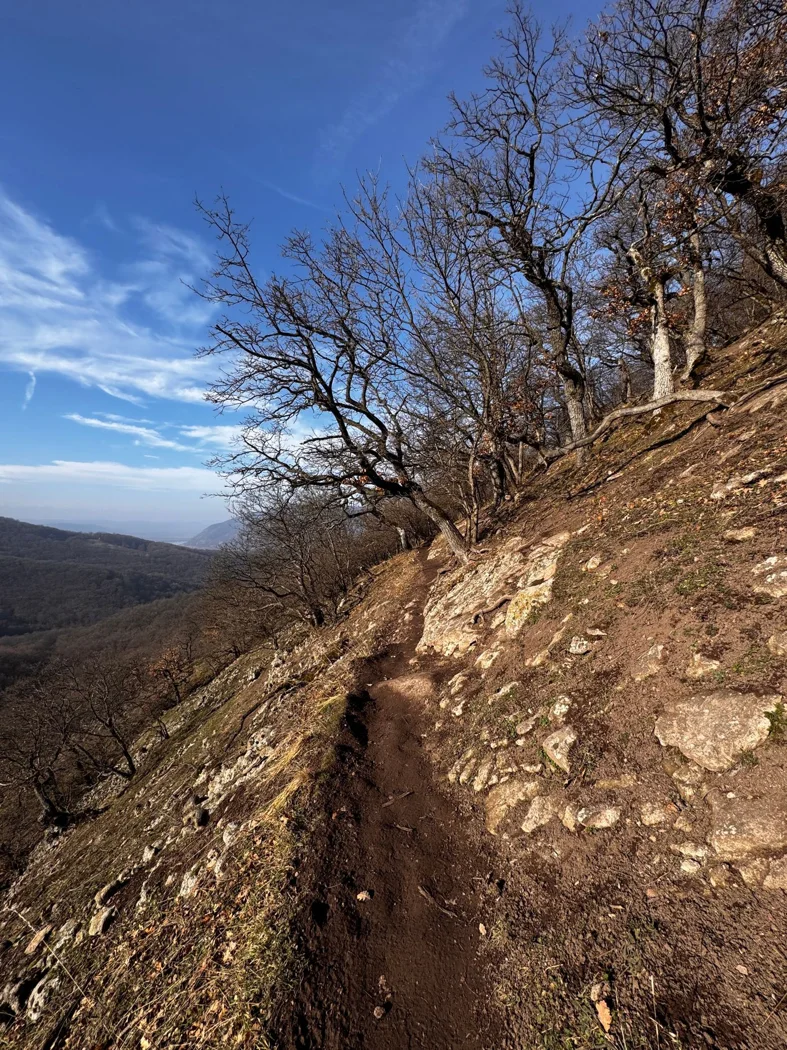
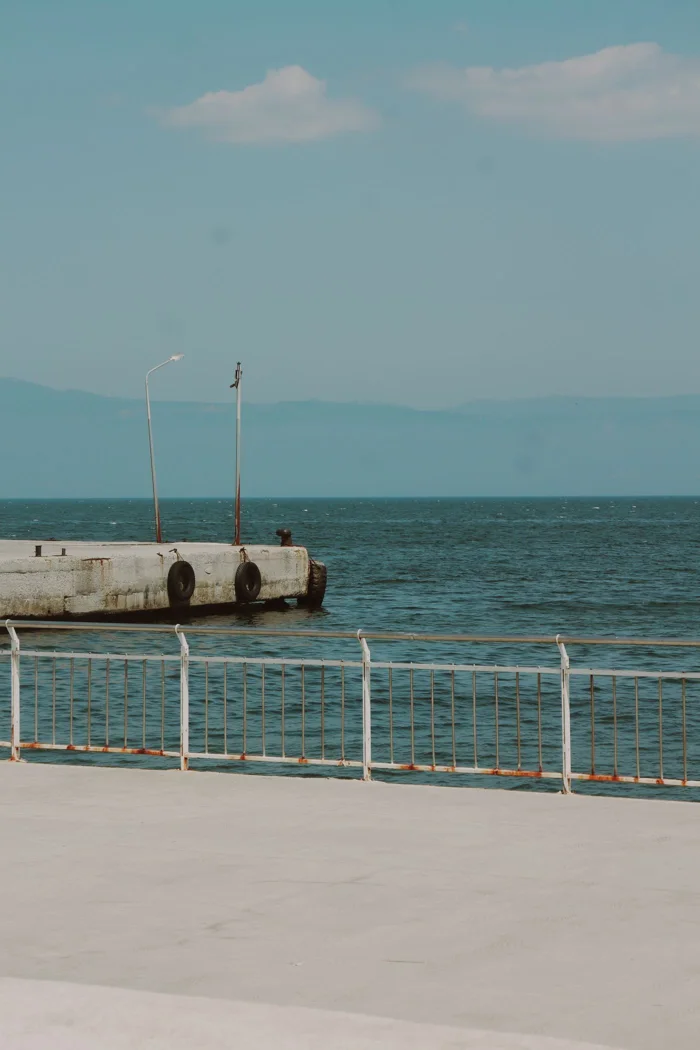
A coastal walk can begin on a promenade, pass through a settlement, and follow a designated path behind the shoreline. It does not need to stay at the water's edge throughout. For an ordinary day outing, select a documented land route. Tidal-flat routes, fords, and uncertain beach connections are not casual additions to this plan.
Check continuity and places to leave the path. A road that looks nearby does not establish a connection to it. Fences, protected areas, or missing access may prevent a seemingly short return. The exits should be as understandable as the main route.
Connect exposed sections with the day
Coastal paths can continue for long stretches without shade or a convenient stopping place. Consider weather, wind, and timing alongside the route. In appropriate conditions, a short promenade between settlements may be easier to assess than a long section with its only useful exit at the finish.
Choose a suitable publicly usable pause location and retain an alternative. A café should become a fixed part of the schedule only when current opening information fits. Otherwise, the outing needs to work without that particular stop.
An out-and-back is useful when one coastal section is the attraction. Select an obvious turnaround and return time before starting. The next bay or village does not automatically need to belong to the same walk.
Local information matters more than an attractive line
Read entrance notices fully. In protected areas, local information identifies the routes intended for visitors. The Wadden Sea national park administrations point walkers toward marked paths, information boards, and regional leaflets. Do not transfer those rules to every coastline; check the area being visited.
When a section is closed, use a confirmed diversion or return along a known path. A beach is not an automatic connection around a barrier. Seeing the route continue opposite does not establish an appropriate crossing.
Plan travel to and from the walk with the same attention. For a one-way outing, know both stops and the paths connecting them to the route. A shorter, well-connected walk can leave more time to enjoy the sea than an ambitious line ending with a rushed connection.