Keep the paper readable
Fold the map to the section you intend to consult and put it in the case. Check both sides. A broad case can display more information but occupies more space against the body or pack. A smaller one needs more refolding, which requires a suitable dry place outdoors.
ORTLIEB describes its Map-Case with transparent material, a roll closure, and a specific protection rating. That is a product property rather than a statement about every clear pouch. Read the closure procedure and rating limits. Similar appearance does not establish equivalent protection.
Attachment and reflections
Examine the map in ordinary light and from your intended viewing angle. Creases, reflections, and an overly restricted folded section can reduce usefulness. The case should hold readable paper rather than simply compress everything tightly. Exterior dirt should be removable by the permitted cleaning method.
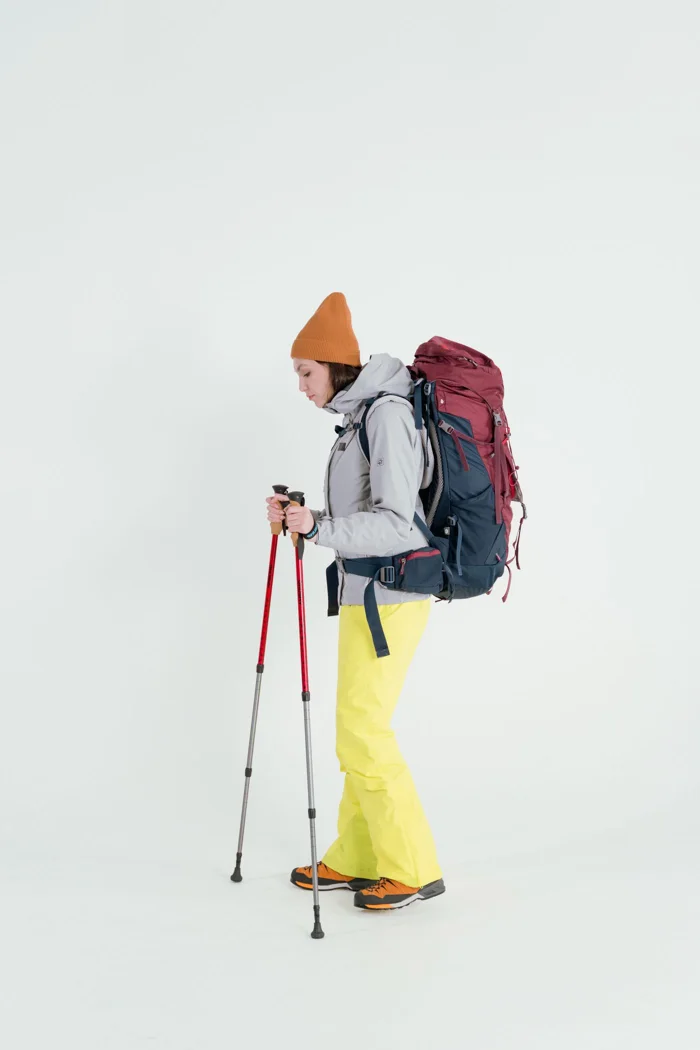
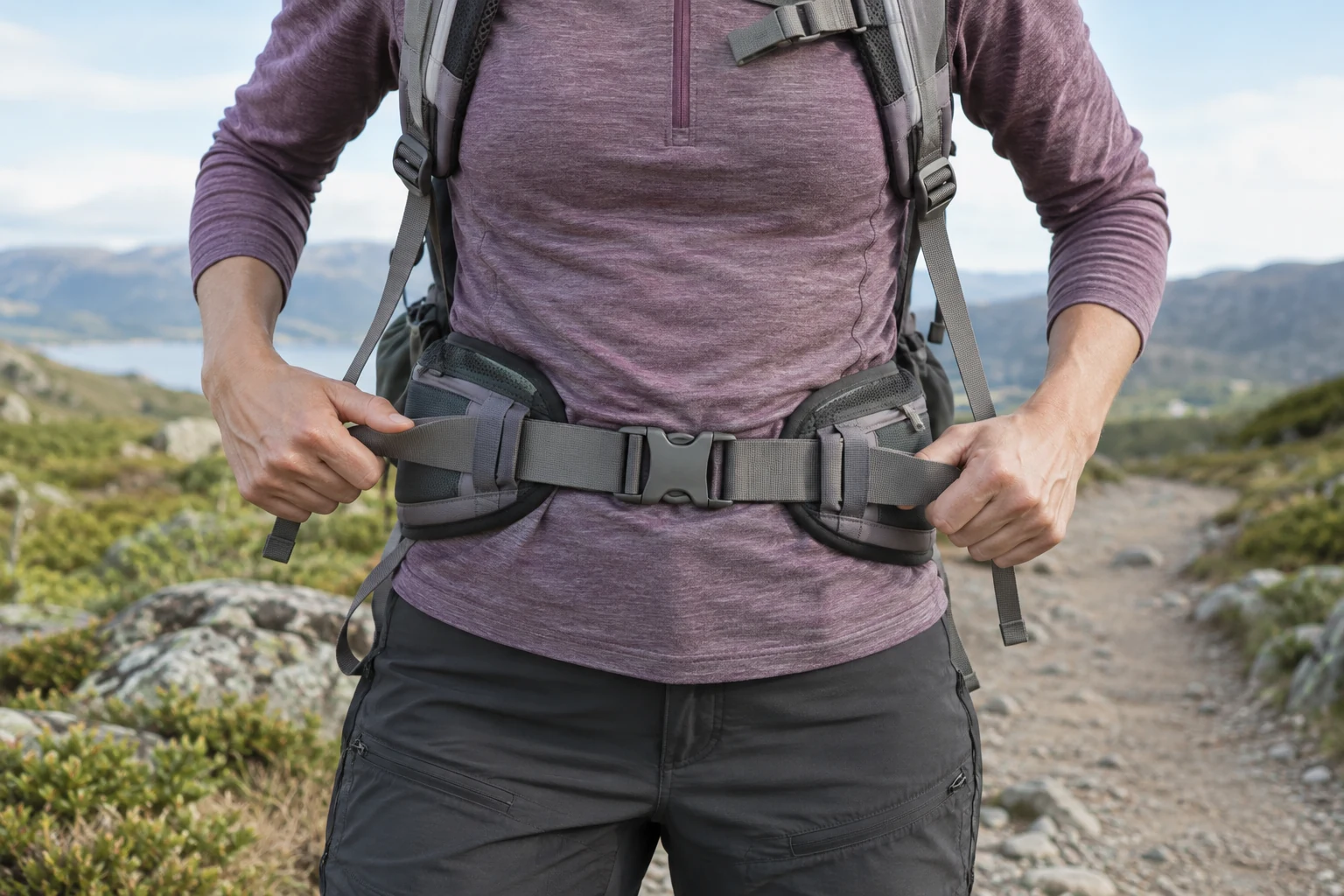
A cord or backpack attachment changes handling. Long loose strings can catch, while a short attachment may prevent bringing the map into view. Use designated points and try retrieval while stopped. Keep the arrangement clear enough to release deliberately when removing the pack.
Compare phone storage separately
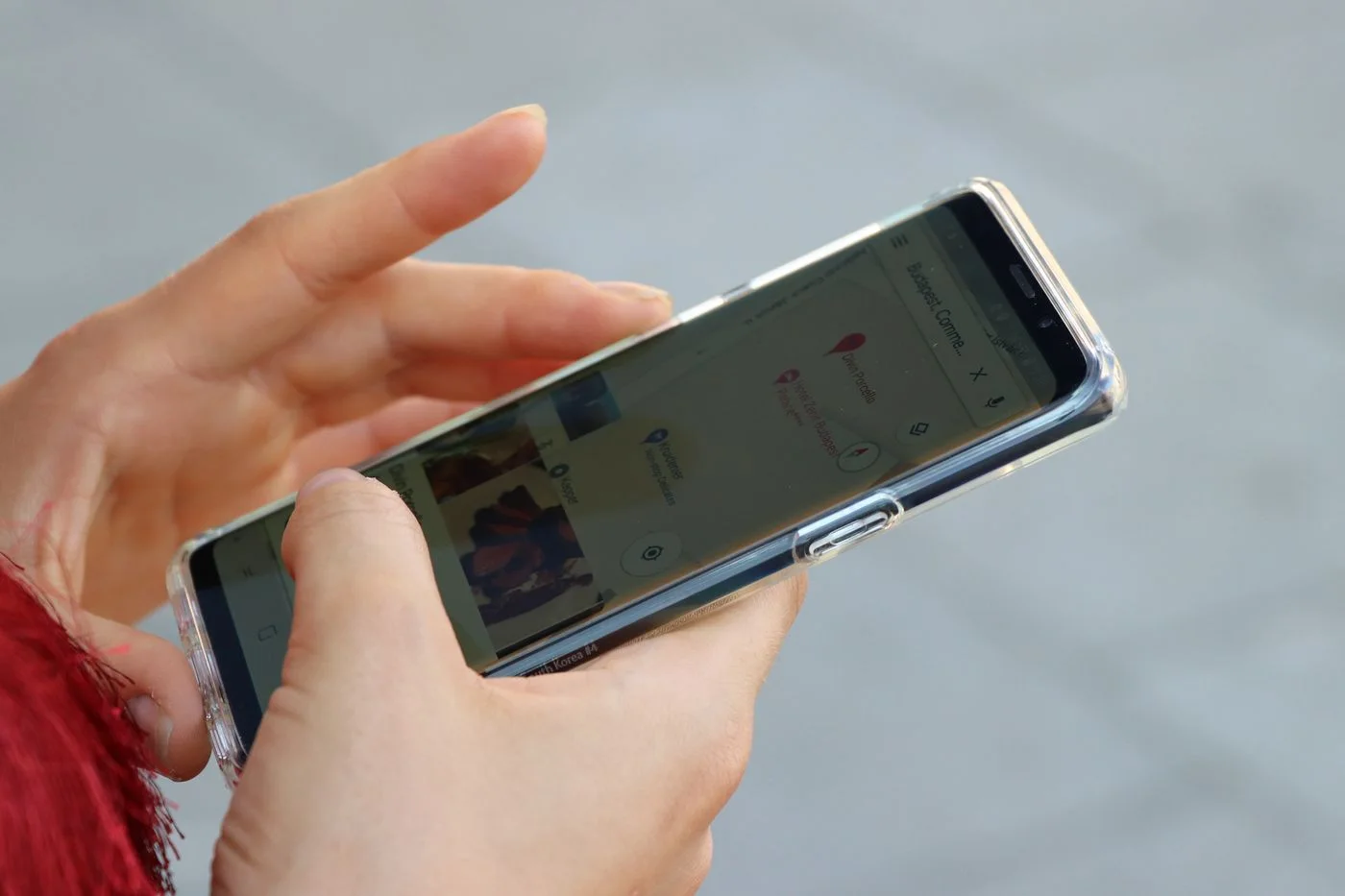
Put the phone in its intended compartment with its normal protective case fitted. Bare-device measurements are insufficient when that is not how you carry it. Check that the closure fully shuts and that rigid edges or cables do not alter its position. Soft lining does not automatically protect against rain or a spilled drink.
With a transparent device pouch, test the intended operation and readability beforehand. Exterior moisture, gloves, and light can change the experience. Do not assume one successful screen touch covers every condition. Open and retrieve the device in a suitable location where necessary.
Storage is not navigation
A case addresses transport and visibility. It cannot establish that a map is current, a phone charged, or a route appropriate. Those need a separate routine. Here, the objective is controlled access and correct use of the actual enclosures.
Dry and clean cases after wet outings, paying particular attention to closure edges and seams. Protect sensitive electronics according to their requirements. Sea to Summit explicitly notes limits to simple dry bags. An unexamined combination should not replace a protection claim the manufacturer does not make for that product.