Start with two real loads
Write down your everyday contents and the equipment for a typical day hike. A computer, documents, and charger have different shapes from a jacket, water, and food. A shared pack need not carry everything simultaneously, but it should accommodate both sets without excessive closure tension or loose dense objects.
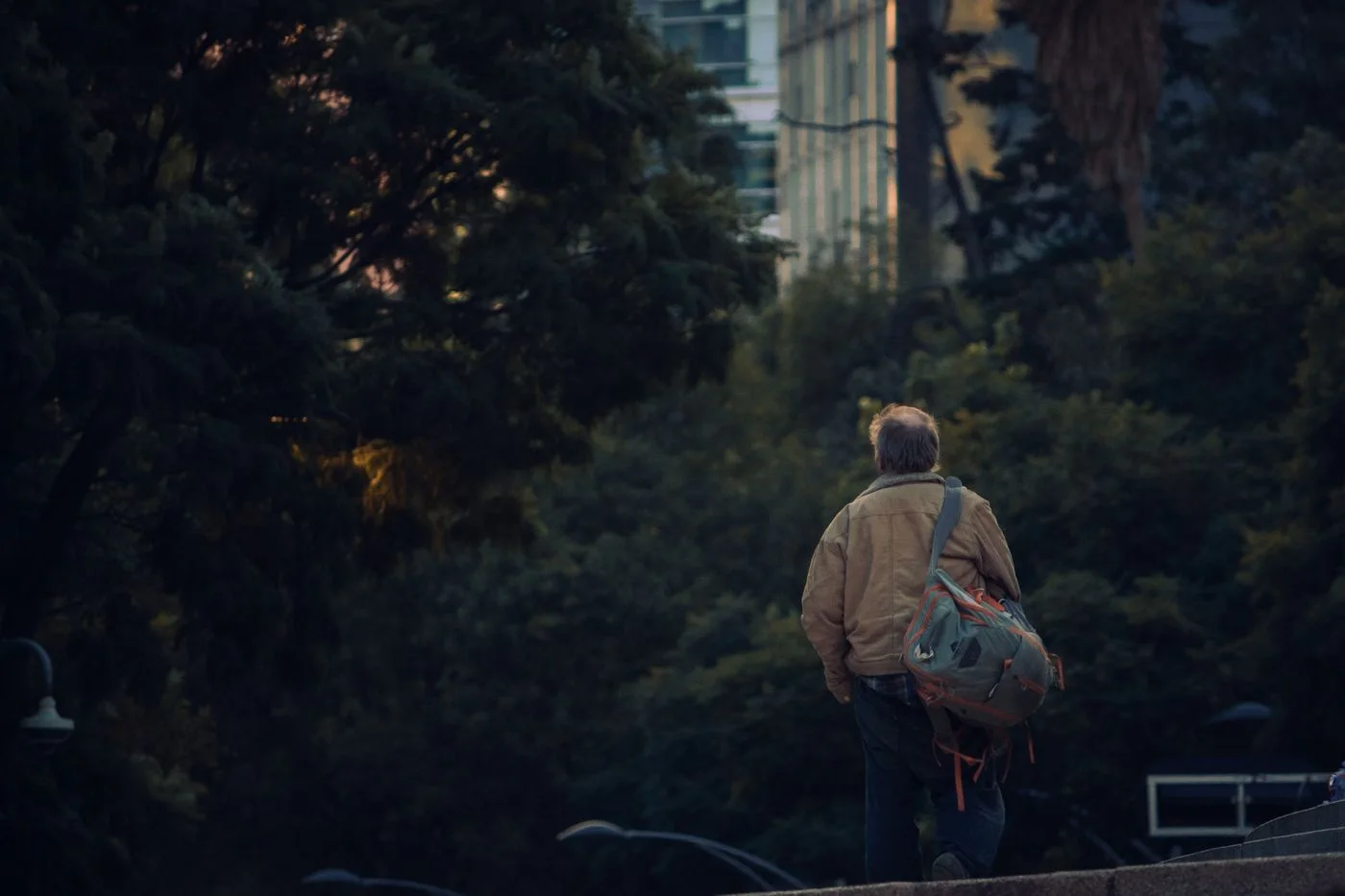
A laptop sleeve may organize flat belongings while remaining unused outdoors. Thick padding or rigid dividers still occupy room. Conversely, a simple sack may be awkward at work if documents bend or small accessories continually fall to the bottom. Removable organization can make this change of use easier.
Carrying and putting it down
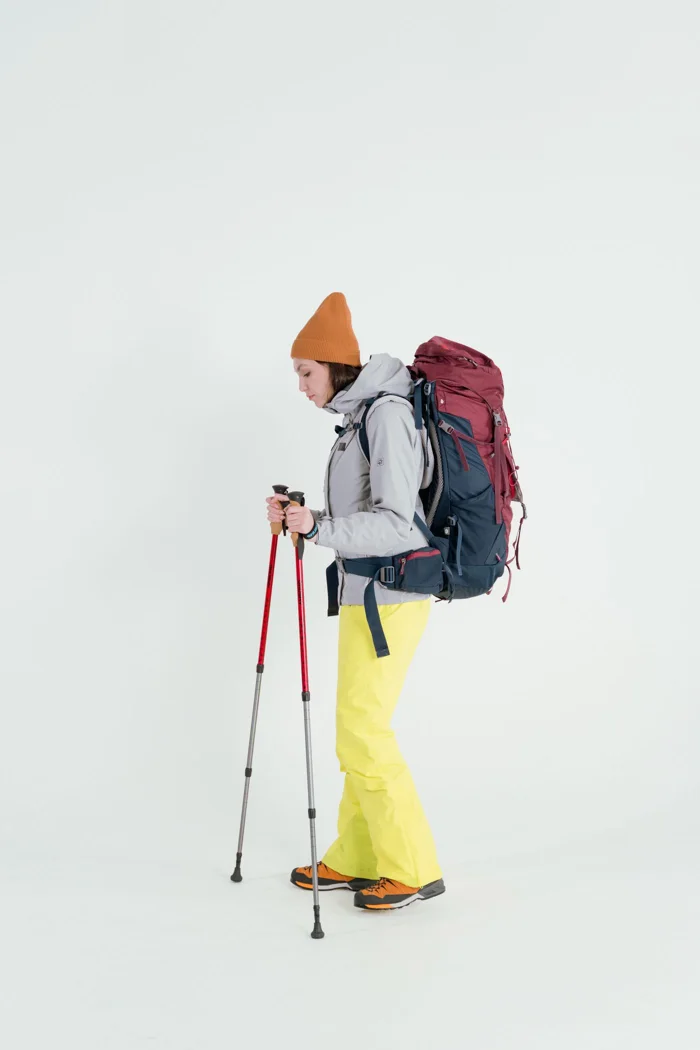
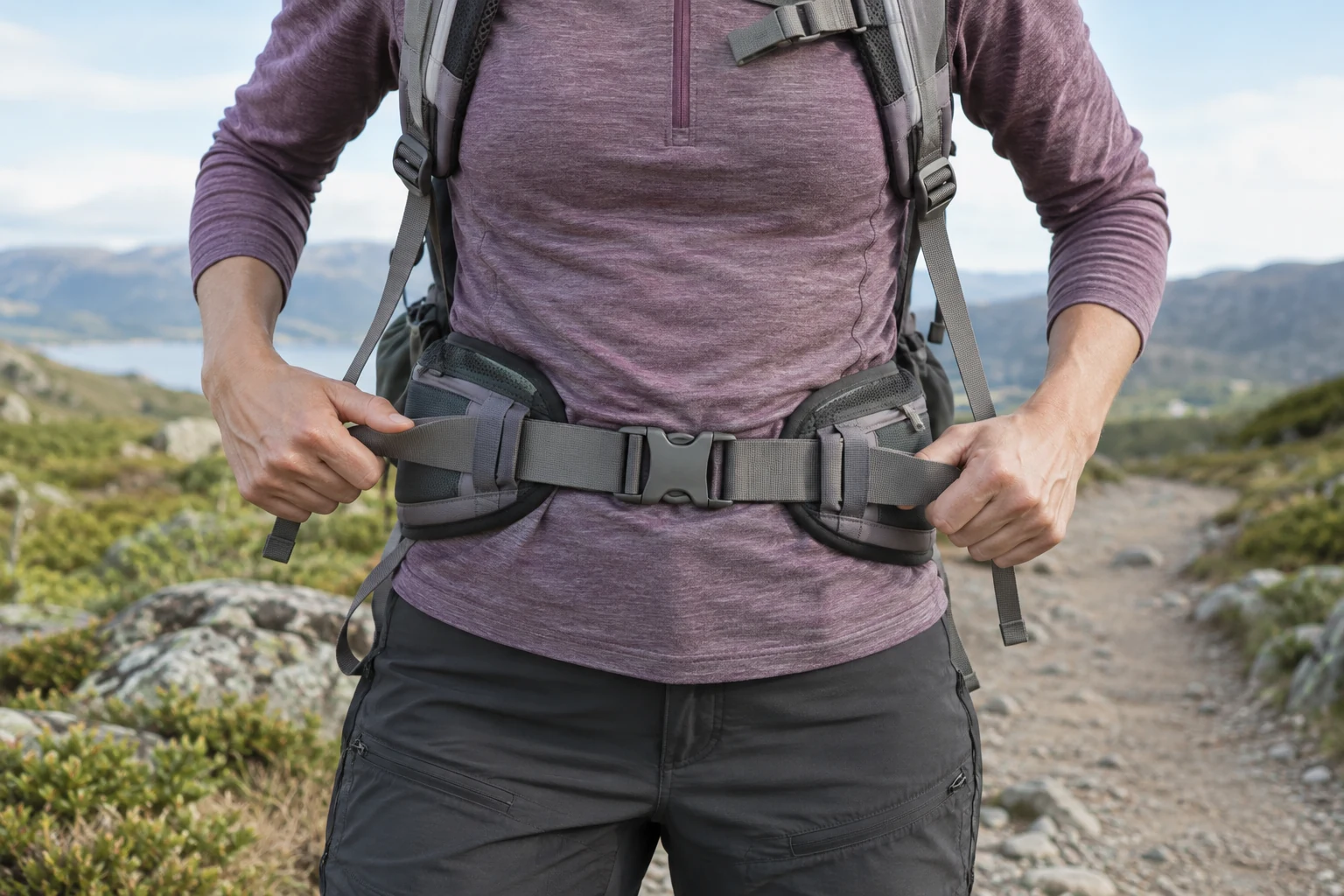
Try the lighter arrangement as well as the heavier one. A flexible bag may collapse with little inside; a rigid model may remain bulky when empty. Assess the harness with both loads. A removable hipbelt can be less intrusive in town where the model and intended load allow its removal.
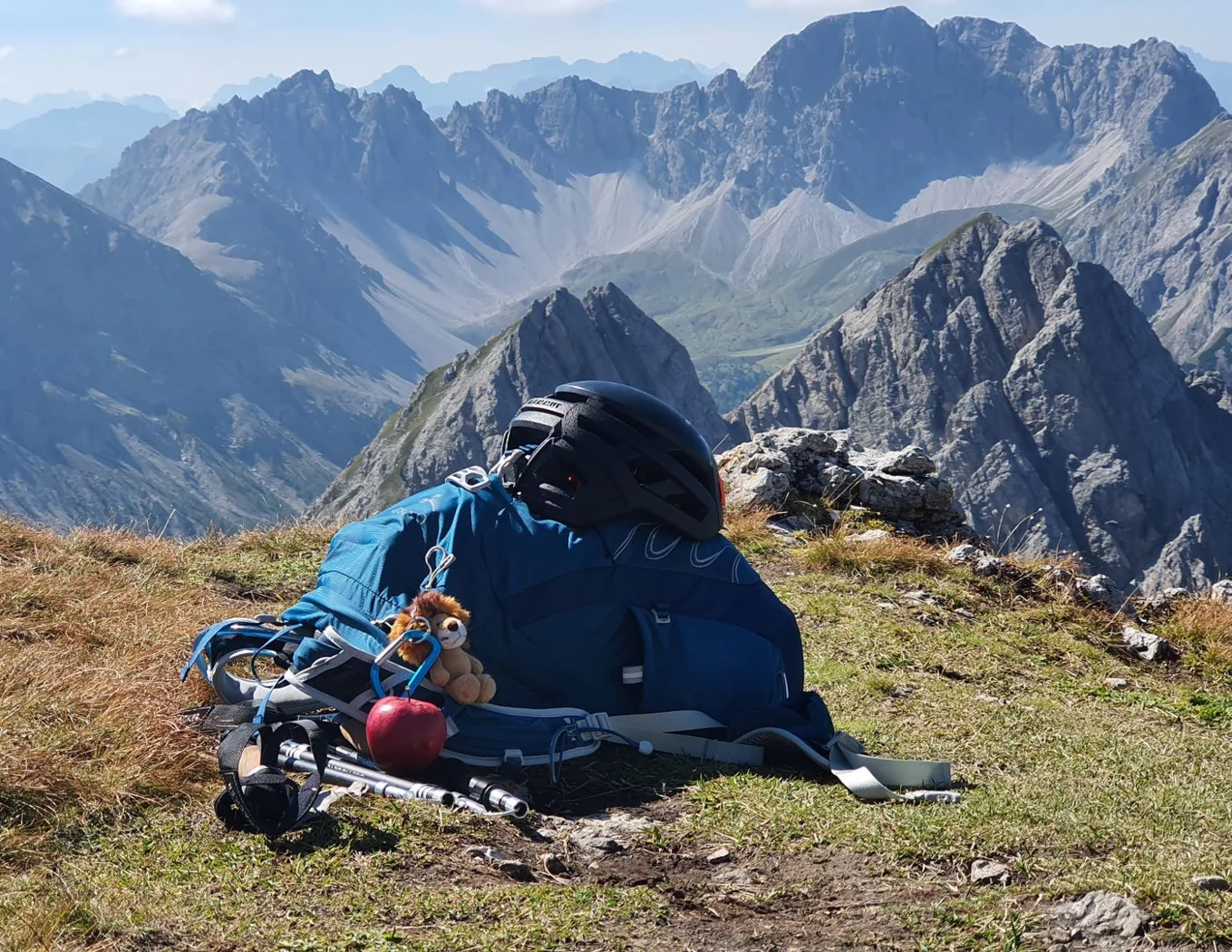
Notice the base and how you put the bag down. Broad front access may suit a bench but be inconvenient in a narrow train space. A dirty underside can later contact a desk or clothes. A small cloth or deliberate placement may help more than additional built-in compartments.
Water and damp clothing need their own places
A bottle should have a useful position beside documents and electronics rather than sit loose above them. Check its pocket and closure separately. A compartment can limit contact, but does not replace a suitable bottle. Sensitive dry belongings may benefit from their own appropriate enclosure.
After a hike, a wet jacket needs a temporary location that is not automatically tomorrow's laptop compartment. Empty the bag completely at home. Switching between purposes works poorly when crumbs, damp clothing, and forgotten accessories simply remain inside.
Choose the compromise deliberately
One pack does not need identical specialization for both tasks. You may accept a missing compartment because one pouch replaces it. You may prefer a comfortable back shape despite losing a straight interior. Decide through the two packing trials. A feature you need in neither setting is not a necessary compensation for anything, and a useful everyday appearance does not establish trail-carrying fit.