Begin with a small, concrete idea
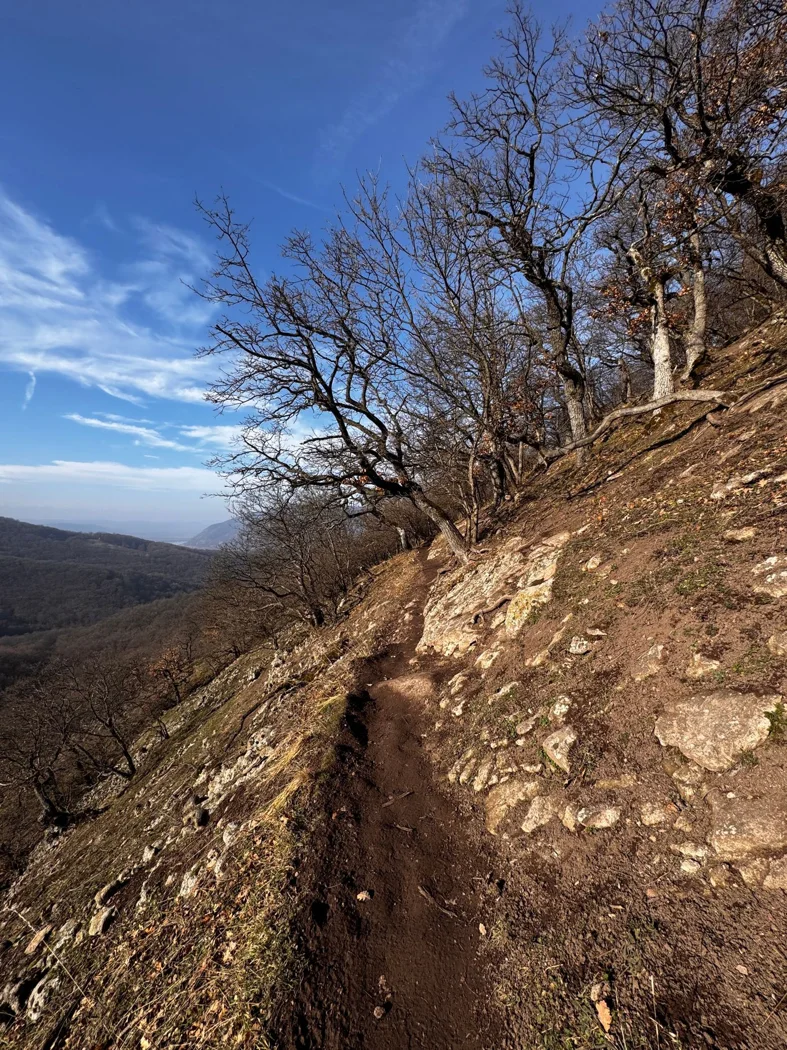
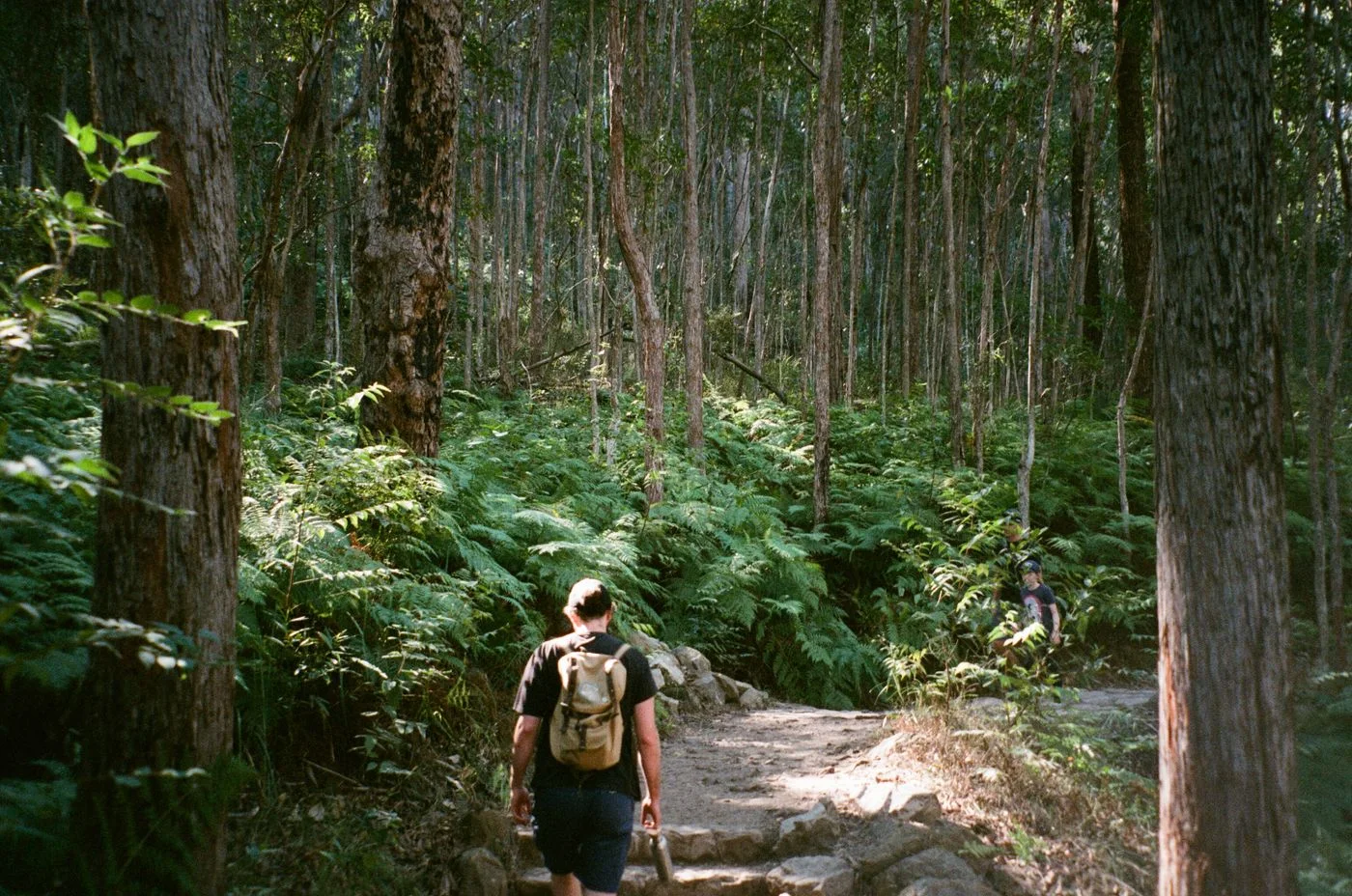
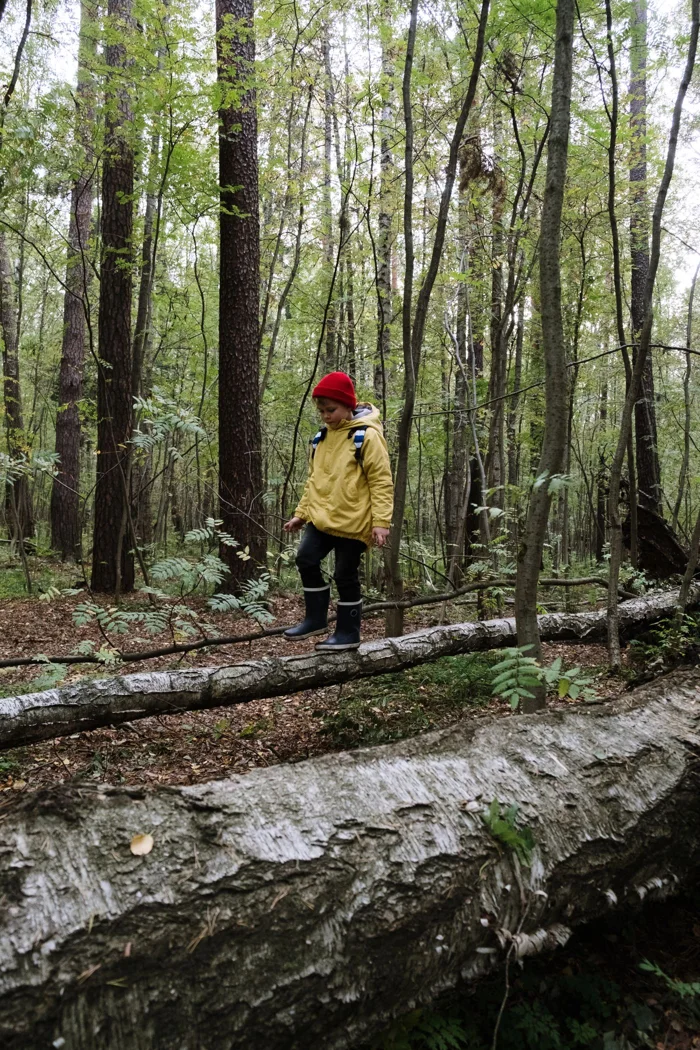
A short woodland path can contain many interruptions for children: an unusual tree, a stream behind a railing, or cones beside the trail. Do not treat these observations as delays that must be recovered later. They may be the main content of the outing. Choose a straightforward, appropriate path rather than simply estimating an adult route at a slower speed.
The German Alpine Club notes that guidebook and signpost times ordinarily refer to adults. Do not turn that into a universal children's estimate by simply doubling the number. Interests, pauses, and the particular day make such a factor too crude. Use the published figure for an overview, then plan the shared outing on its own terms.
The interesting part need not be at the finish
If the only attraction is far away, much of the walk can become a promise that something better is coming. Find a route whose opening already offers interest, perhaps a short nature trail or a suitable designated play area. Check that any facility you depend on is open and intended for the visit.
Not every observation needs to become an assignment. Constantly finding particular leaves or answering questions may make the walk feel like another scheduled activity. One small theme is enough: notice different bark textures today, or listen at two places. Attention can then move elsewhere.
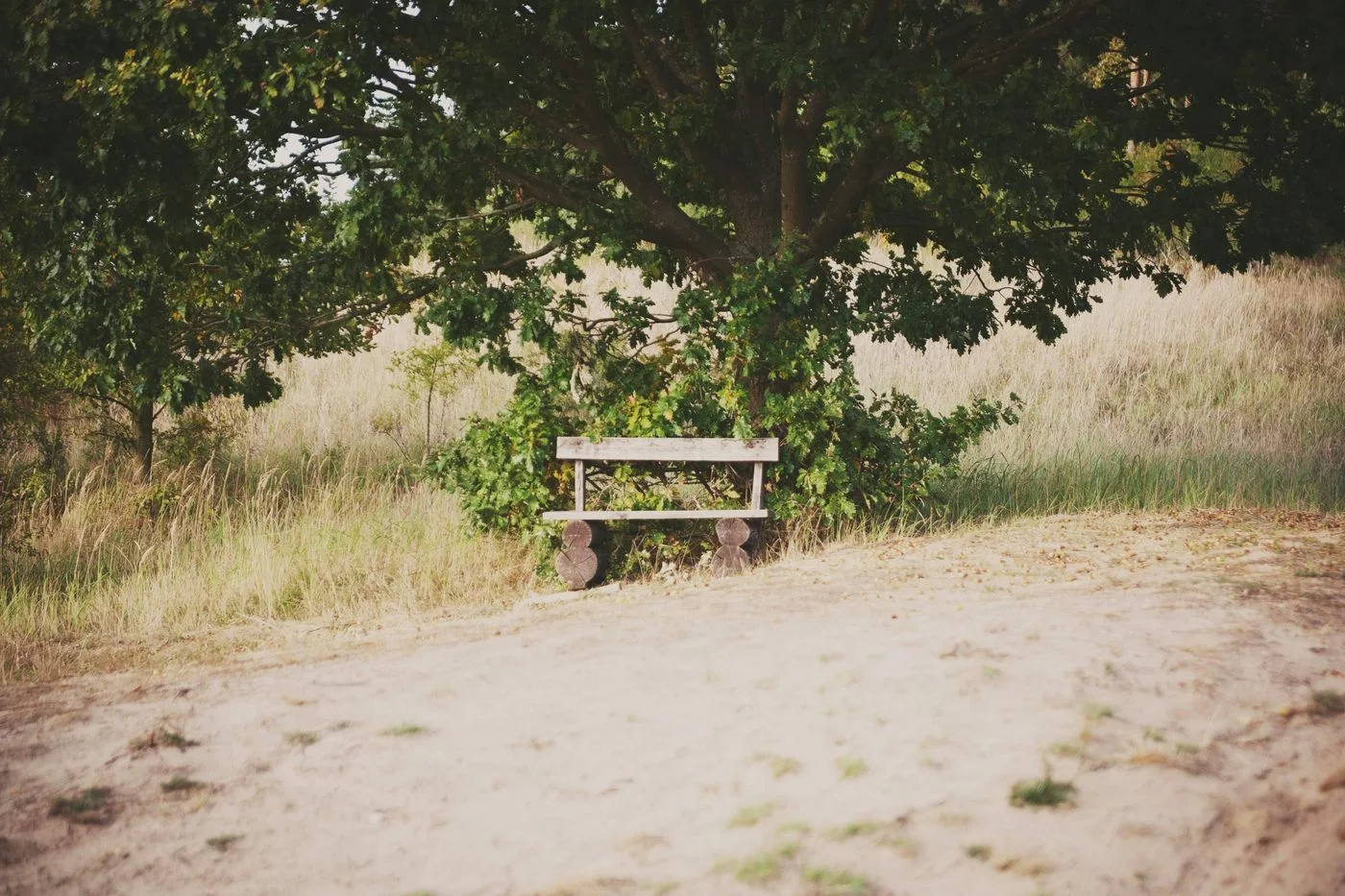
Choose stopping places where others can pass comfortably and the children are not confined to a narrow through-route. A suitable rest area works better than a bridge or gate. The pause should remain possible when the preferred bench is occupied.
Prepare a genuine short version
Check where a smaller loop returns to the same starting point. The complete return matters. A nearby-looking car park is unhelpful if the car is elsewhere. When arriving by public transport, the stop and current connection need to work too.
Agree with the accompanying adults that the shorter version is a normal choice. If someone continually announces the distant main destination, changing the plan becomes unnecessarily difficult. A shared boundary works better: walk to the known rest area, then decide about the small extra branch.
Avoid promises about things beyond your control. Wildlife need not appear, cloud may hide the view, and a play area may be closed. Describe what the group can actually do: follow a certain section, pause together, and return with enough time.
Do not treat the journey back as leftovers
A short outward section does not automatically create an equally straightforward return. Consider direction, remaining time, and the position of the final pause. A loop should not end with a long roadside link merely because its beginning is attractive.
A successful finish can be uneventful. Everyone reaches the starting point without another destination being forced into the day. A future visit can include more if it suits the people involved. For the initial choice, the aim is a complete, understandable outing rather than a reduced version of an oversized plan.