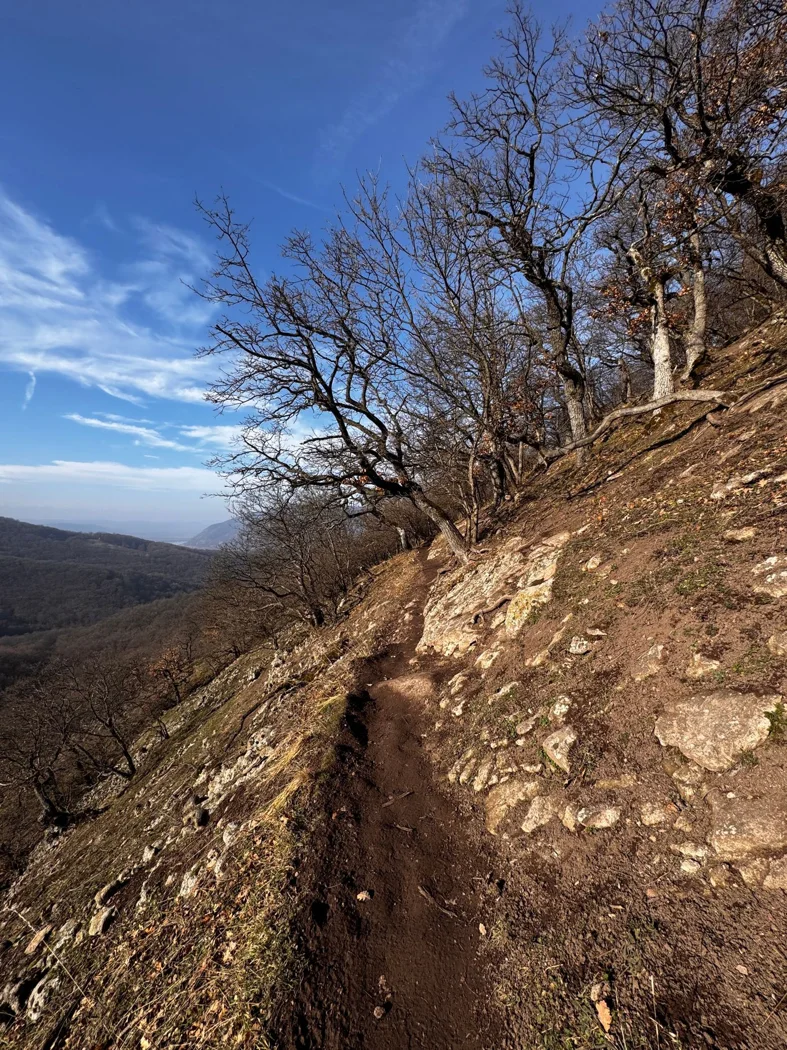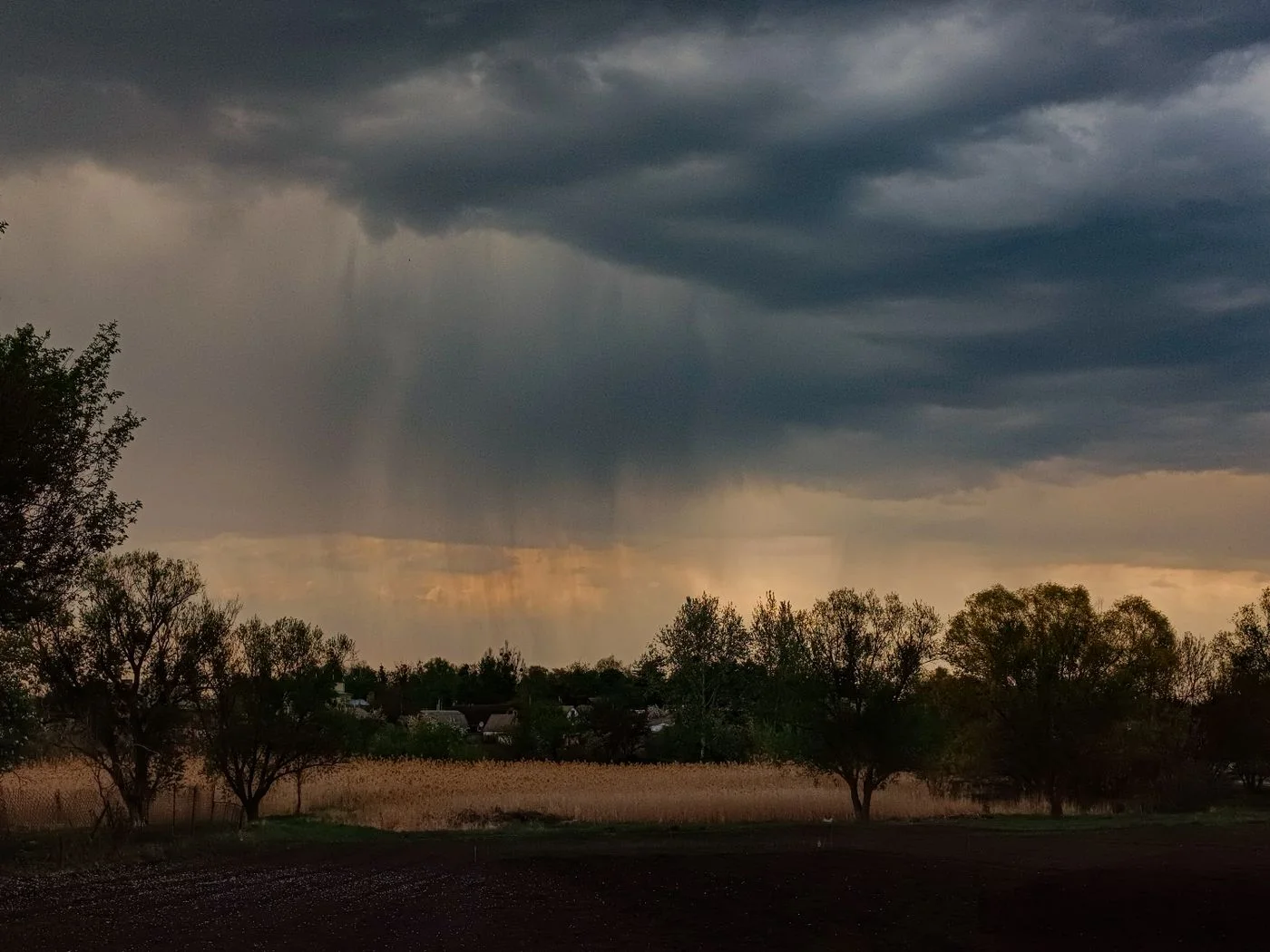
A sun beside a place name does not settle whether a planned walk suits the day. Perhaps the symbol describes the morning and you cannot begin until later. Perhaps the route crosses open ground that you would rather avoid in the predicted wind. Read the forecast alongside the route's shape. The task is to make a decision about a place and time, rather than find a reassuring picture.
Select the relevant place and period
Use a forecast for the area you intend to walk in, rather than just your home address. If the route covers a substantial area, look at both ends. For an ordinary day walk, a few focused pieces of information usually provide a clearer basis than collecting every available chart: rainfall timing, temperature, wind, and relevant warnings.
Consider the full window from setting out to arriving back. Rain predicted near the end still falls inside the outing. A later climb or exposed stretch should not disappear from consideration merely because the first hour looks pleasant.
Write a planning consequence rather than a list of values. For example, less favourable conditions later may make the shorter loop a better choice. That note connects information to an action. A collection of numbers without a decision will be less useful when the group reaches the next junction.
Read warnings separately from the routine forecast
The German Weather Service publishes weather warnings and explanations of its warning levels. When a warning is relevant, read the text, including its area, period, and named event. A colour alone does not describe which part of your outing is affected.
Postponing is a complete decision when conditions are unsuitable for the outing. Starting earlier or reducing distance does not make every warning unimportant. A voluntary day walk does not need to be rescued after the assumptions behind it have changed.
Check the information the evening before and again before leaving. A saved screen may accurately show yesterday's prediction while no longer representing the latest information. Look at the date and time attached to what you are reading.
Connect the weather with the ground
For a field path, the question is not only whether rain falls while you are outside. Earlier rainfall can affect the choice too. Look for recent path information instead of inferring a dry trail from a dry morning. A rainy outing on surfaced paths can instead be arranged around a short, easily adjusted route.
Sunshine does not make every landscape an equally good match. An open circuit with little shade involves different decisions from a short walk between readily reached places. Give particular attention to long sections without a straightforward return. If the weather window is too uncertain for them, choose another shape.
Photographs on a route page may show conditions that have little to do with the proposed day. Use them to understand the setting, then look elsewhere for current information. An attractive summer image cannot establish the state of a path after a wet week.
Keep an alternative small enough to use
Choose a nearby option that does not depend on the same assumptions. It might be a short walk in town, or simply a different day. The replacement does not need to preserve as much of the original route as possible. Its job is to fit the changed circumstances.
Continue observing while outside. If actual conditions differ substantially from the plan, base the next decision on what is happening and on current local information. Do not improvise a shortcut through unfamiliar ground merely to protect the original return time.
A forecast then becomes a tool for repeated decisions. Before travel it helps choose the outing; at the start it helps compare expectations with reality; later it supports choosing a shorter version. You do not need to make your own meteorological prediction. You need a plan that is allowed to change.